When to Prune Oak Trees on the Peninsula
Learn when to prune oak trees in the Bay Area. Summer versus winter timing, sudden oak death precautions and canopy thinning tips. Call (213) 468-5153.
The Sacred Oak Pruning Window: Summer & Winter Dry Dormancy
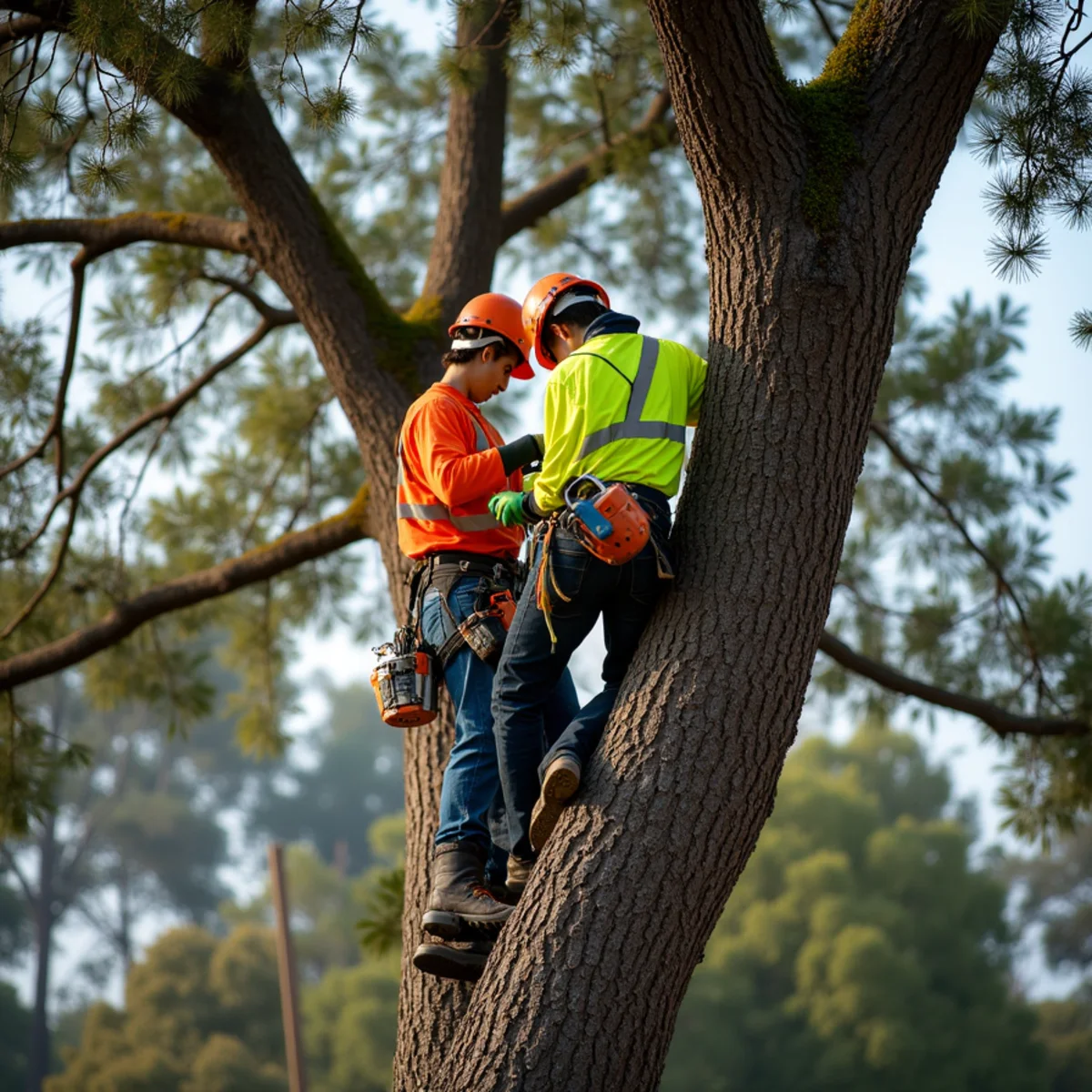
California native oaks are the ecological crown jewels of the San Francisco Peninsula. Coast live oaks (Quercus agrifolia), valley oaks (Quercus lobata), and blue oaks (Quercus douglasii) provide iconic architectural beauty, shade, and wildlife habitat across Redwood City, Atherton, and Menlo Park. However, pruning native oaks requires precise biological timing. Pruning at the wrong time of year exposes these stately trees to lethal pathogens, wood-boring insects, and physiological decline.
Certified arborists recognize two primary safe pruning windows for Peninsula oaks:
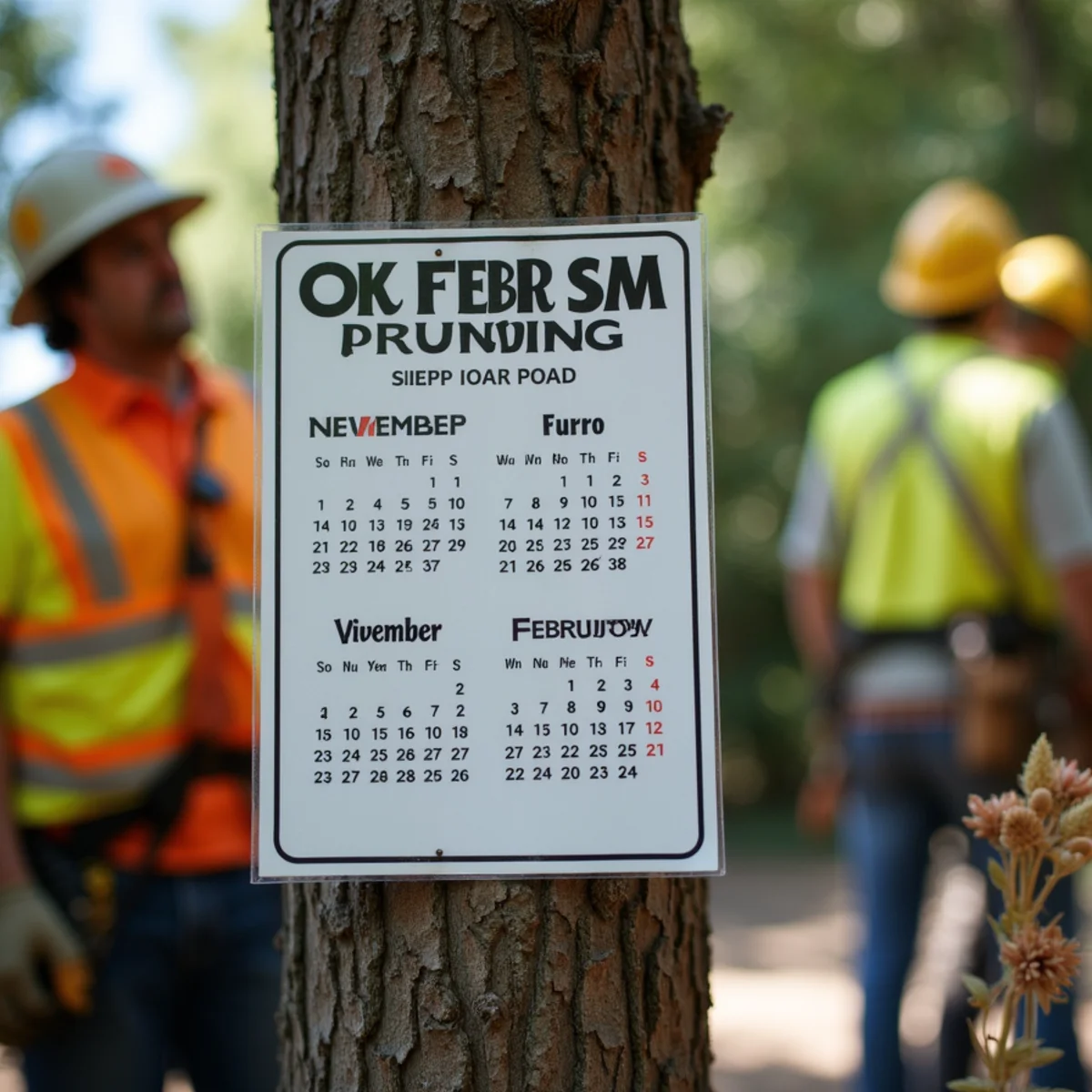
1. Deep Winter Dormancy (December through February): Cold temperatures suppress insect activity and fungal sporulation. For deciduous valley oaks, winter bare-branch visibility allows arborists to inspect branch architecture and make clean structural cuts. 2. Mid-Summer Dry Period (July through August): During hot, dry summer months, rainfall is absent, soil moisture is low, and fungal pathogens like Phytophthora ramorum (Sudden Oak Death) are dormant. Minor structural pruning and deadwooding can be executed safely.
Need Hands-On Arborist Help in Redwood City?
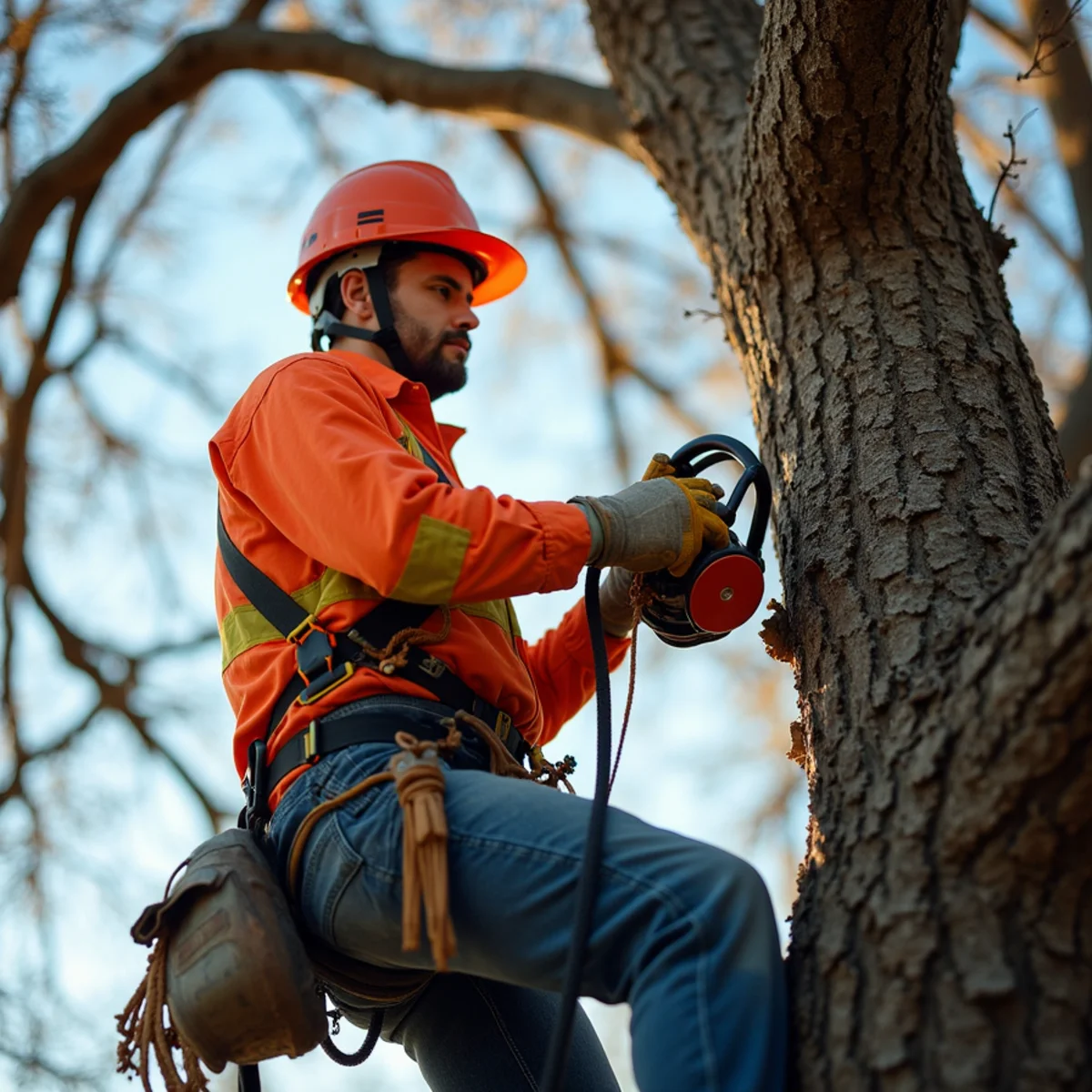
Call (213) 468-5153 to speak directly with our team. We provide rapid emergency dispatch and free written estimates across San Mateo County.
The Danger Zone: Why You Must NEVER Prune Oaks in Spring
The single most dangerous mistake a property owner or unqualified landscaper can make is pruning California oaks during the spring flush, which extends from March through June:
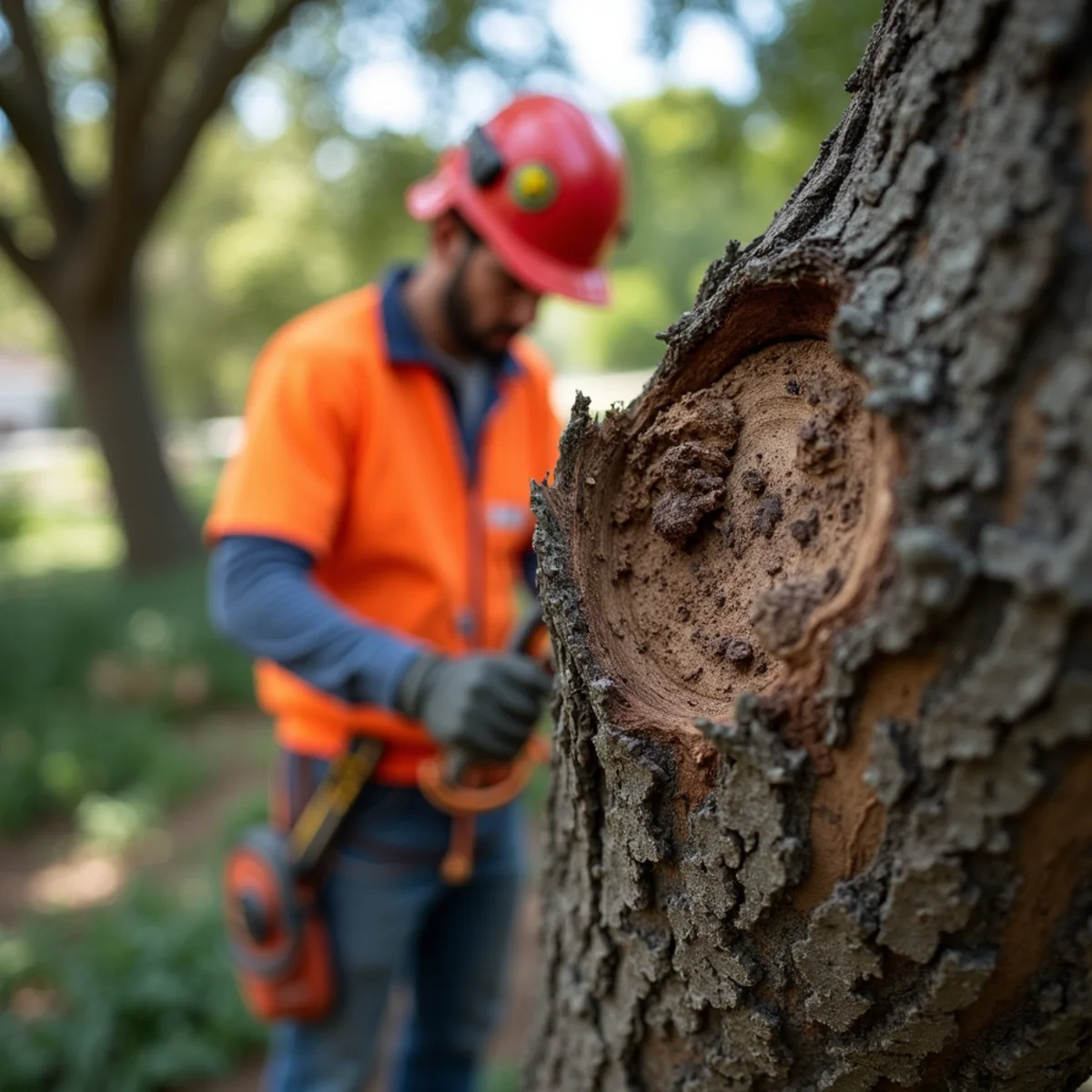
• High Sap Flow & Cambial Activity: In spring, oaks direct immense hydraulic pressure toward pushing fresh foliage, making the bark tender and prone to extensive tearing during branch cuts. • Bark Beetle Swarming: Western oak bark beetles (Pseudopityophthorus spp.) and oak ambrosia beetles emerge in spring, actively hunting for volatile host odors. Fresh pruning cuts release aromatic sap terpenes that attract swarms of boring beetles from miles around, inoculating the wounds with fungal pathogens. • Sudden Oak Death Spore Dispersal: Cool, wet spring rains provide ideal conditions for Phytophthora ramorum to produce millions of infectious zoospores on adjacent bay laurel leaves. An open pruning wound during spring is an open gateway for lethal infection.
Species Differences: Coast Live Oak vs Valley Oak vs Blue Oak
Pruning strategies must respect the physiological traits of specific oak species:
• Coast Live Oak (Quercus agrifolia): Evergreen with dense, leathery foliage. Prune lightly to thin crowded interior lateral branches and elevate clearance over roofs and driveways. Never over-thin the interior, which exposes sensitive bark to solar radiation. • Valley Oak (Quercus lobata): Massive deciduous oak with sweeping, weeping scaffold limbs. Prune during mid-winter dormancy to remove structural deadwood, reduce end-weight on long horizontal limbs, and correct co-dominant trunk splits. • Blue Oak (Quercus douglasii): Slow-growing, drought-adapted native found in foothill terrain. Blue oaks compartmentalize wounds slowly and produce minimal annual callus tissue; pruning should be restricted to minimal deadwood removal.
The 20% Canopy Removal Rule & Lion-Tailing Hazards
Under ANSI A300 pruning standards, arborists follow strict canopy conservation thresholds. Never remove more than 15% to 20% of a native oak's live photosynthetic canopy in a single growing season. Removing excessive foliage starves the root system of manufactured carbohydrates and triggers emergency epicormic water sprout growth.
Arborists strongly warn against 'lion-tailing'—the harmful practice of stripping all interior foliage and lateral branches, leaving small tufts of leaves only at branch tips. Lion-tailing shifts mechanical bending stress to branch ends, drastically increases the risk of limb failure during winter windstorms, and exposes previously shaded trunk bark to severe sunscald.
Tool Sanitization & Modern Wound Dressing Science
Professional oak pruning requires meticulous sanitary protocols. Our crews sterilize all chainsaw bars, hand saws, and pole shears between every tree using a 70% isopropyl alcohol solution or commercial quaternary ammonium disinfectant to prevent cross-contaminating pathogens between properties.
For decades, conventional tree services applied black asphalt-based wound dressing paints to fresh pruning cuts. Modern arboricultural research proves that wound dressings actually trap moisture, harbor anaerobic fungal decay, and inhibit the tree's natural healing process. Healthy oaks compartmentalize pruning wounds naturally through chemical CODIT barriers (Compartmentalization Of Decay In Trees). We make clean, precise cuts just outside the branch bark ridge and branch collar without flush-cutting, allowing trees to form natural callus tissue.
San Mateo County Heritage Oak Ordinances & Root Protection
Both Redwood City Municipal Code Chapter 29 and San Mateo County enforce strict preservation protections for heritage oaks. In Redwood City, any native oak measuring 12 inches or greater DBH is protected.
While routine deadwooding and light maintenance pruning do not require permits, major structural alterations—such as removing limbs exceeding 4 to 6 inches in diameter, cutting more than 20% of live canopy, or severe clearance pruning—require municipal review and an ISA Certified Arborist justification report. Furthermore, never trench, grade, or install turf irrigation within the root protection zone (the canopy dripline), as summer moisture encourages root-rotting oak root fungus (Armillaria mellea).
Related Services & Coverage Areas
Related Services
Nearby Service Areas
Frequently Asked Questions
If branches are physically damaging your roof shingles, minor emergency clearance cutting of specific interfering limbs is acceptable. However, major structural pruning should be postponed until July-August or deep winter to prevent attracting bark beetles.
Schedule Your Tree Assessment Today
Call (213) 468-5153 for prompt arborist inspections, permit assistance, and transparent estimates in Redwood City and the Peninsula.