Identifying the Symptoms: When Is Oak Tree Care & Sudden Oak Death Necessary in Redwood City?
Common Signs & Warning Indicators
- Dark burgundy, wine-colored, or black tar-like sap bleeding from fissures in trunk bark
- Sudden, catastrophic browning of mature foliage across entire canopy branches within weeks
- Charcoal-like black crusts and brittle fruiting cankers (*Hypoxylon*) erupting along dying branches
- Clusters of honey-colored mushrooms or pale fan-shaped fungal mats fruiting at the root flare
- Sudden structural limb snapping on hot, windless summer afternoons (summer branch drop syndrome)
- Turf irrigation spray heads wetting trunk bark, leading to moisture rot and crown decay
Local Peninsula Environmental Triggers
San Mateo County lies squarely within California's regulated quarantine zone for Sudden Oak Death (*Phytophthora ramorum*). The pathogen reproduces profusely on the foliage of native California bay laurels (*Umbellularia californica*) during cool, wet Peninsula springs. Wind-driven rain drives billions of microscopic spores onto neighboring coast live oaks (*Quercus agrifolia*), black oaks (*Quercus kelloggii*), and canyon live oaks. Furthermore, residential landscaping that introduces summer lawn irrigation beneath native oaks creates ideal waterlogged conditions for lethal *Armillaria mellea* (oak root fungus), suffocating roots that evolved to survive completely dry Mediterranean summers.
Under California law and local municipal ordinances, property owners bear legal responsibility for hazardous trees that threaten adjacent roadways, sidewalks, power lines, or neighboring structures. Early intervention by an ISA Certified Arborist prevents emergency failures during severe coastal weather.
What to Do First: The First-30-Minutes Tree Emergency Checklist
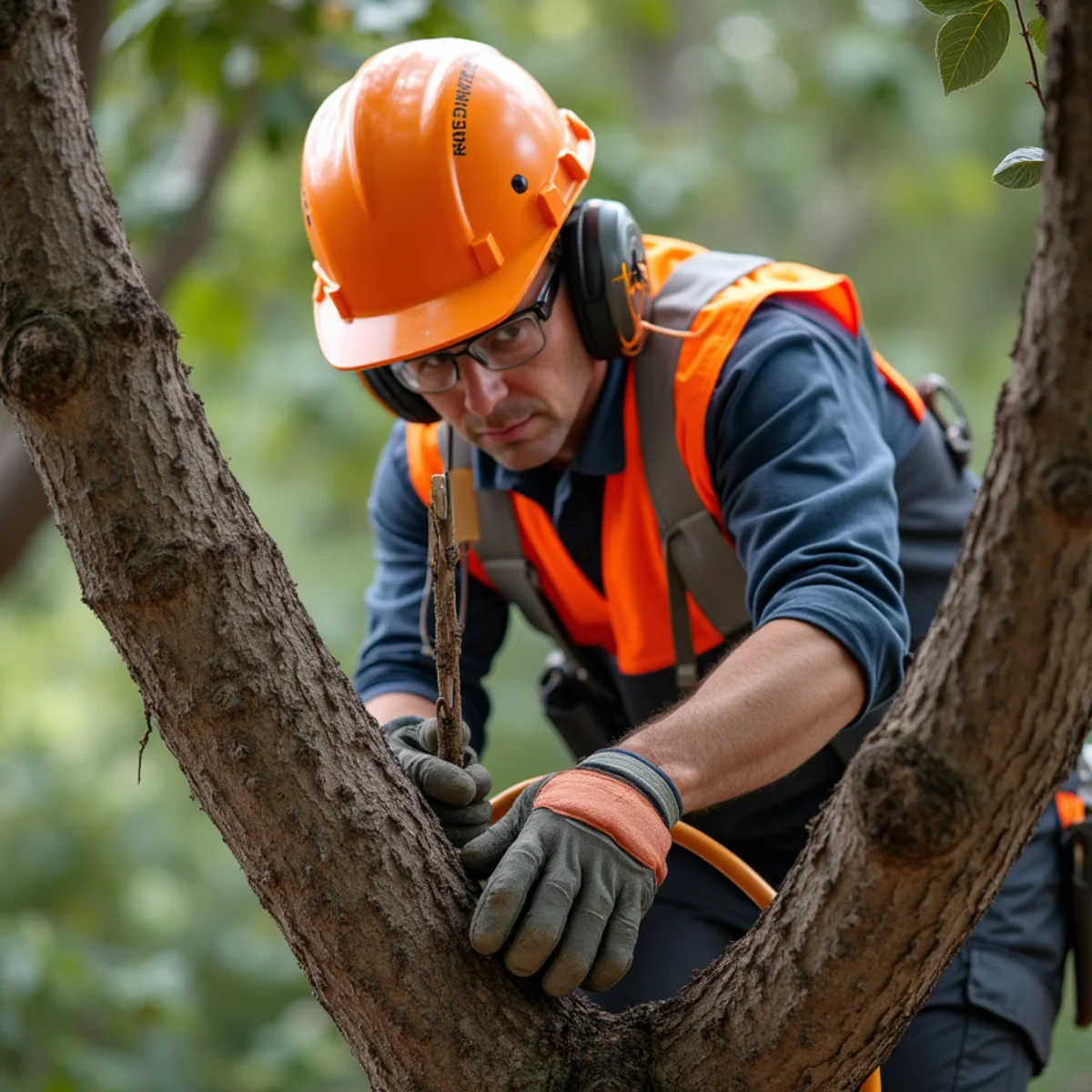
When a storm strikes or a tree fails, prioritize human safety before initiating cleanup. Follow these essential field steps:
Action Checklist Before Cleanup
- 1Immediately turn off all automated lawn sprinklers and drip emitters located inside the dripline (canopy spread) of any native oak.
- 2Never allow landscapers or tree trimmers to prune native oaks during spring or summer—open pruning wounds emit volatile terpene odors that attract destructive oak bark beetles and ambrosia beetles.
- 3Inspect the trunk base: if dirt, decorative rock, or turf has been piled up against the root flare, carefully hand-excavate to expose the natural flare.
- 4Do not fertilize a declining oak with high-nitrogen synthetic fertilizers, which trigger rapid succulent growth vulnerable to fungal infection.
- 5Call Honey Bear Trees at (213) 468-5153 for an arborist health assessment and preventative Sudden Oak Death phosphonate treatment.
What to Tell Our Dispatcher
Having these property details ready helps us deploy the appropriate crane, rigging blocks, or line-clearance equipment immediately:
- Exact property address and location of the oak tree (front yard, hillside slope, backyard patio)
- Oak species if known (coast live oak, deciduous valley oak, black oak, heritage valley oak)
- Observed health symptoms (bleeding trunk sap, browning leaves, mushroom conks, broken limbs)
- Approximate trunk diameter at chest height (e.g., 24 inches, 48 inches heritage size)
- Recent landscape or construction activity within the root zone (trenching, paving, grading, irrigation)
Common Tree Hazards in Redwood City: Causes, Signs & Immediate Safety Steps
Use this diagnostic reference to identify hazardous structural conditions and coordinate safe next steps without putting family or property at risk:
| Cause | Warning Signs | Immediate Response | Who to Call | Documentation |
|---|---|---|---|---|
| Sudden Oak Death (*Phytophthora ramorum*) | Burgundy sap weeping from trunk bark, rapid foliage browning across major canopy sections, absence of historic root damage | Do not peel bark or make exploratory saw cuts; isolate fallen leaves to prevent fungal spore dispersal | Call Honey Bear Trees at (213) 468-5153 for preventative phosphonate bark applications or systemic injections | Photograph bleeding cankers close-up and capture wide-angle shots showing the proximity of bay laurel trees |
| Oak Root Fungus (*Armillaria mellea*) | White felt-like mycelial fans under bark at root flare, clusters of honey-colored mushrooms in autumn, gradual canopy thinning | Halt all irrigation within 30 feet of the root flare immediately; keep the soil surface dry and well aerated | Call our team for supersonic air-spade root flare exposure and specialized bio-fungicide soil conditioning | Photograph mushroom clusters at the base and document whether the root collar is buried beneath fill soil |
| Oak Bark Beetles & Western Oak Ambrosia Beetles | Fine, powdery reddish or white boring dust (frass) accumulating in bark crevices and at the trunk base | Avoid pruning during active beetle flight periods (March through October); ensure tree is not moisture-stressed | Contact Honey Bear Trees for targeted insecticide applications and arborist canopy health management | Photograph pinhole boreholes and frass deposits on the trunk with a coin or ruler for scale |
| Summer Branch Drop Syndrome | Heavy, horizontal scaffold branches extending horizontally with heavy leaf loads on hot, calm afternoons | Keep patio furniture, vehicles, and pedestrians away from beneath heavy overextended horizontal oak limbs | Call (213) 468-5153 for end-weight reduction pruning and dynamic arborist cable support systems | Photograph extended scaffold limbs over living areas, pools, driveways, and outdoor living structures |
| Construction Root Severance & Soil Compaction | Heavy equipment parked under canopy, utility trenching through root zone, yellowing leaves, crown dieback | Halt all construction activity within the Tree Protection Zone immediately; install protective chain-link fencing | Call our certified arborists for emergency radial trenching, mycorrhizal soil conditioning, and city compliance filing | Photograph trench locations, measure distances from trunk, and preserve severed root specimens |
Request an On-Site Assessment for Oak Tree Care & Sudden Oak Death
Speak with our local Redwood City dispatch team at (213) 468-5153 to discuss your tree situation and schedule an arborist evaluation.
Our Methodological Standards for Oak Tree Care & Sudden Oak Death
Our ISA Certified Arborists conduct comprehensive oak health evaluations. We inspect the trunk collar for active bleeding lesions and boring beetle frass, assess root flare depth to determine if fill soil is suffocating the cambium, analyze canopy foliage density and twig elongation, and map the distance to surrounding host bay laurel trees. For high-value heritage oaks, we evaluate systemic treatment eligibility and formulate seasonal cultural care plans.
Preventative Phosphonate Bark Application (Agri-Fos & Pentra-Bark)
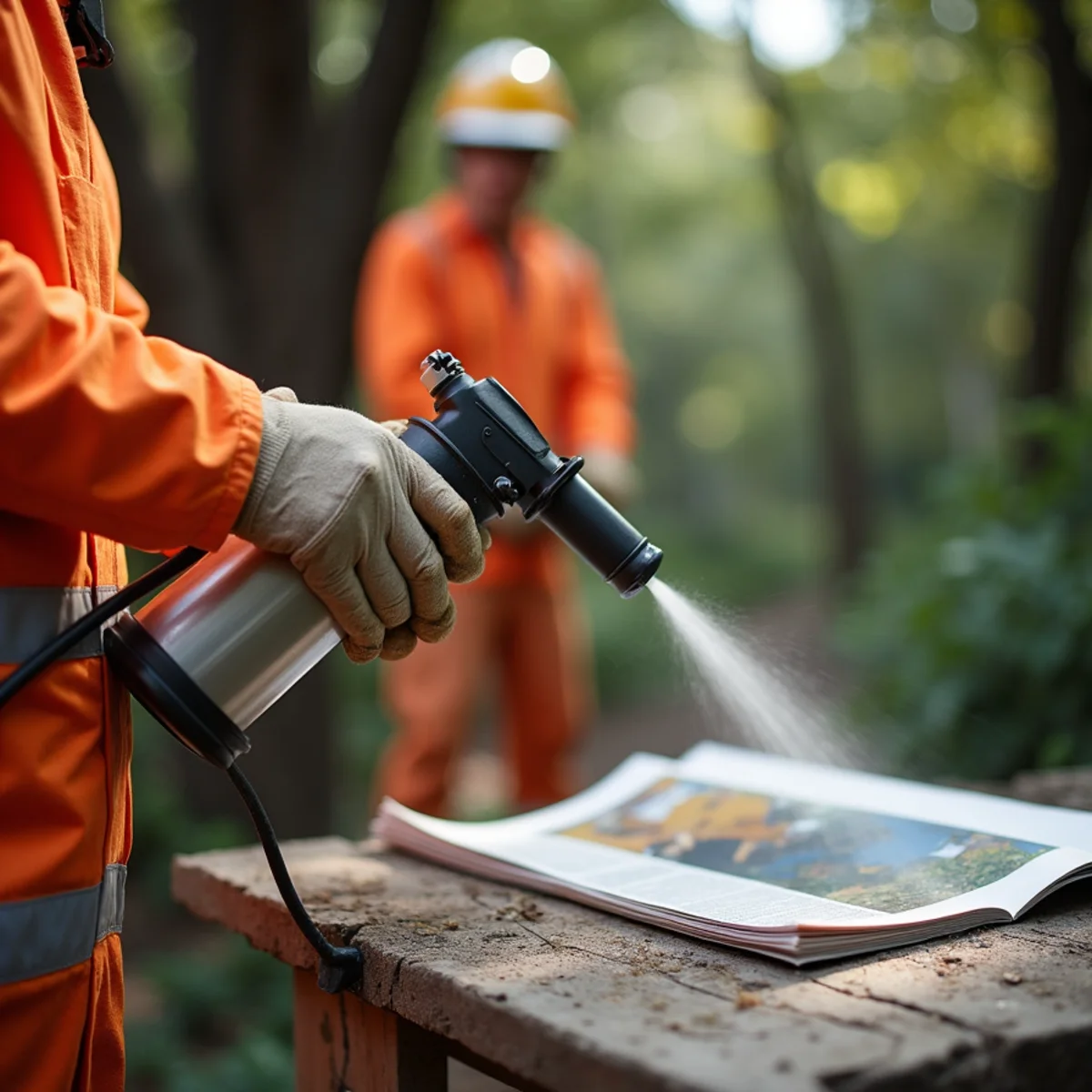
For healthy oaks located within 150 yards of infected bay laurels, we apply Agri-Fos systemic fungicide combined with Pentra-Bark surfactant directly to the lower trunk. This stimulates the oak's natural phytoalexin defense compounds, creating a biochemical barrier against Phytophthora ramorum infection.
Air-Spade Root Collar Excavation & Soil Conditioning
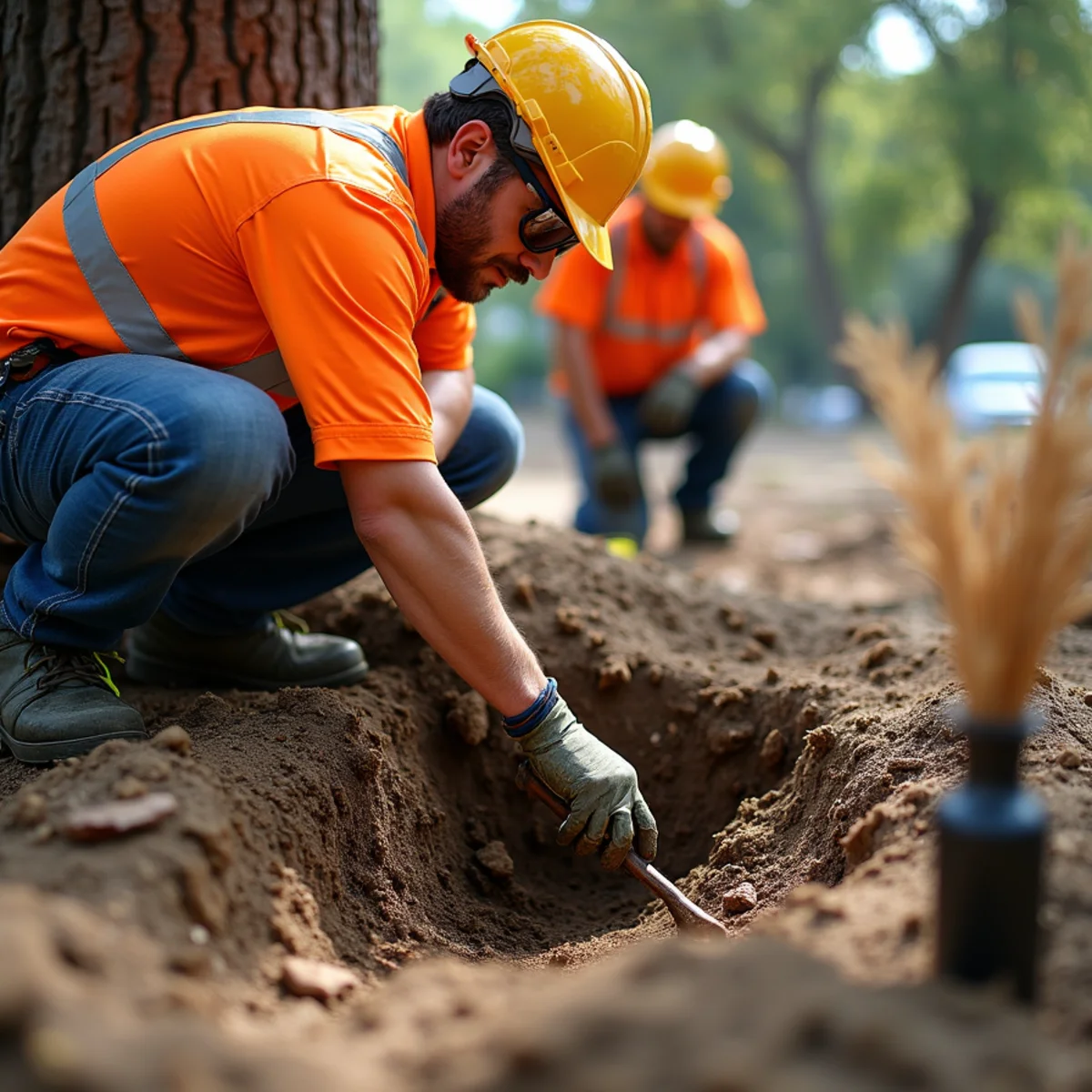
Using supersonic compressed air, our technicians gently blast away compacted fill soil and mulch suffocating the root flare. We then excavate radial aeration trenches out to the dripline, amending the soil with biochar, organic compost, and beneficial ectomycorrhizal fungi to stimulate fine absorbing roots.
Dormant-Season Structural Pruning (ANSI A300)
We strictly schedule major oak pruning between late November and February when sap flow is minimal, fungal spores are inactive, and bark beetles are dormant. Our arborists focus on deadwood removal, crown thinning, and end-weight reduction on long horizontal boughs to prevent summer branch failure.
Step-by-Step Execution: From Inspection to Final Cleanup
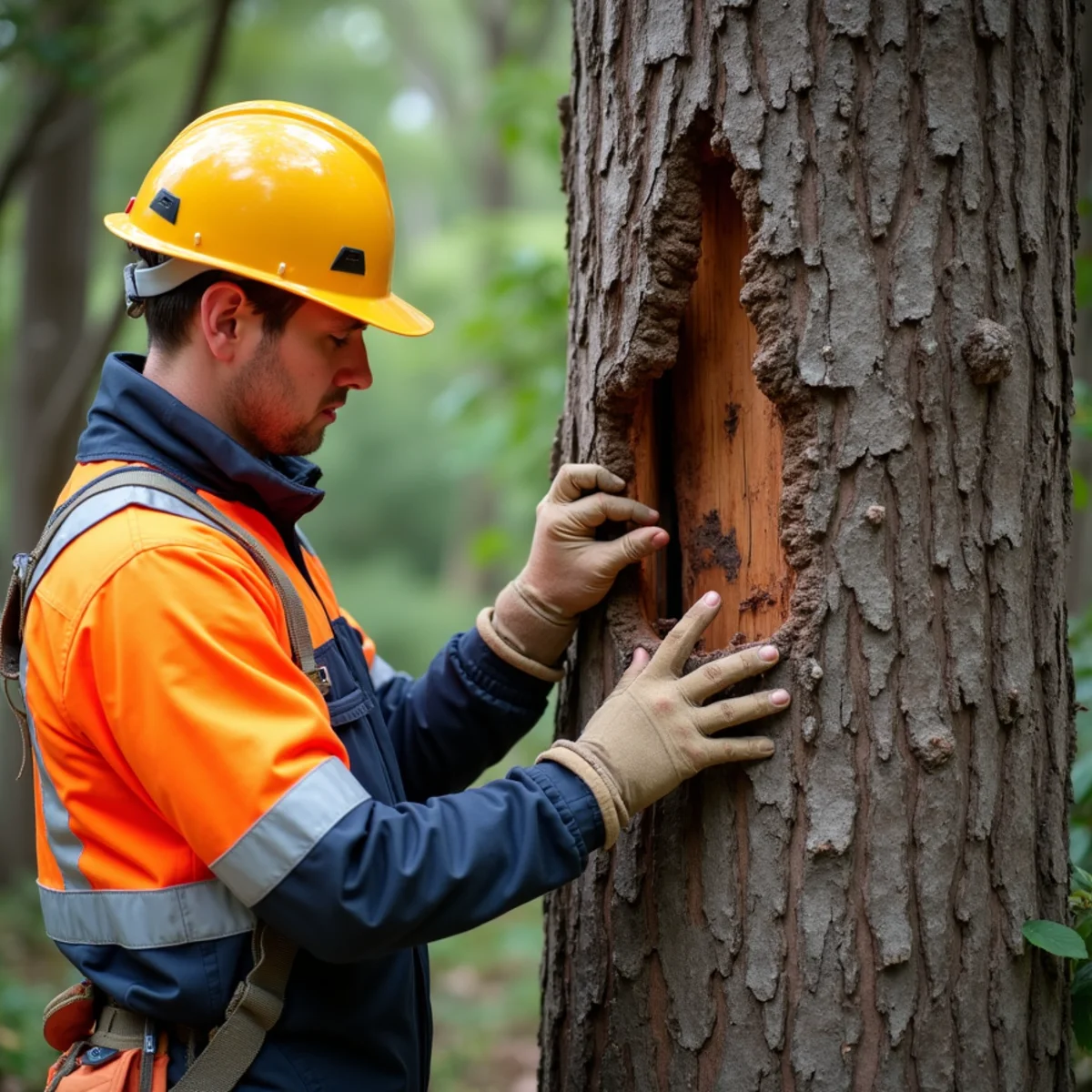
ISA Certified Arborist Oak Diagnostic Inspection
We evaluate trunk bark for bleeding lesions, assess canopy vigor, inspect root flare depth, and identify proximity to reservoir bay laurel trees.
Cultural Practice & Irrigation Audit
We inspect property irrigation systems, eliminating harmful summer watering inside the dripline and recommending appropriate water cutoff distances.
Systemic Phosphonate Bark Treatment
During optimal fall or early spring uptake windows, licensed technicians apply preventative bark spray or micro-injections to boost natural immunity.
Air-Spade Root Flare Exposure & Aeration
Pneumatic air tools expose buried root flares and relieve compacted soil around the root zone, incorporating beneficial organic matter.
Dormant-Season Crown Maintenance Pruning
During winter dormancy, certified climbers remove dead, diseased, and overextended limbs, reducing lever-arm stress on massive scaffold branches.
Organic Wood Chip Mulching & Ongoing Monitoring
We spread a 3-inch layer of coarse arborist wood chips across the root zone (kept 6 inches back from trunk bark) and establish an annual health monitoring schedule.
How Much Does Tree Service Cost in Redwood City?
In accordance with California consumer protection standards, we do not quote arbitrary flat rates. Every estimate is custom-engineered based on the physical realities of your property:
Trunk diameter up to 36 inches DBH, Agri-Fos and Pentra-Bark spray application, fall or spring absorption window.
Compressed air soil removal without root damage, radial aeration trenches, mycorrhizal fungi and biochar injection.
Large coast live oak or valley oak (40 to 70-foot spread), dormant winter timing, ANSI A300 structural deadwooding.
Written ISA arborist assessment, TRAQ risk rating, disease diagnostics, Redwood City municipal compliance documentation.
Local Species & Redwood City Neighborhood Risk Profiles
Every Redwood City neighborhood presents distinct geological, architectural, and access dynamics that dictate equipment staging and rigging methods:
Wooded mountain foothills with rich organic loam, deep leaf litter, and dense native bay laurel populations.
Extremely high Sudden Oak Death spore pressure from bay laurel understories; severe wildfire fuel loading.
Rocky hillside slopes with serpentinite clay soils, steep topography, and natural coast live oak savannahs.
Armillaria root rot triggered by residential landscaping irrigation; unstable root plates on steep cuts.
Deep alluvial plain soils supporting ancient heritage valley oaks and coast live oaks on expansive private estates.
Historic root zone suffocation from lawn turf, extensive paver patios, and trenching for estate utilities.
Urbanized alluvial soil in established residential neighborhoods with high pedestrian and structural targets.
Summer branch drop over roofs and driveways; root damage from sidewalk repairs and sewer line replacements.
Key Tree Species Considerations in Redwood City
Coast Live Oak (*Quercus agrifolia*)
Highly vulnerable to Sudden Oak Death bleeding cankers; susceptible to sudden limb drop on hot days and Armillaria root rot.
Valley Oak (*Quercus lobata*)
Deciduous giant susceptible to massive scaffold limb tears, codominant stem separation at V-crotches, and powdery mildew.
California Black Oak (*Quercus kelloggii*)
Extremely susceptible to *Phytophthora ramorum*; rapid foliar decline and secondary bark beetle colonization.
Blue Oak (*Quercus douglasii*)
Drought-tolerant native highly sensitive to summer irrigation; rapid root decline when lawn sprinklers hit trunk flare.
Municipal Permit Compliance & Contractor Credentials
Redwood City Municipal Code Chapter 35 provides stringent legal protection for native oak species. Coast live oaks, valley oaks, and black oaks with a trunk diameter of 12 inches or greater (measured 54 inches above grade) are protected trees requiring municipal permits for removal or pruning exceeding 25% of canopy foliage. Heritage oaks measuring 38 inches DBH or greater receive the highest level of preservation review. Honey Bear Trees prepares comprehensive arborist reports to satisfy all municipal code requirements.
Questions to Verify Before Hiring Any California Tree Service Contractor:
- ISA Certified Arborist (Credential WE-12849A): Direct credentialed arborist oversight for all oak pruning specifications, risk assessments, and health protocols.
- California Department of Pesticide Regulation (DPR) Qualified Applicator: State-licensed commercial applicator license (QAL/QAC) for legal, safe application of systemic phosphonate treatments.
- California State Contractors License (CSLB): Active C-61 / D49 Tree Service specialty license (Honey Bear Trees Lic #1084291) in full legal standing.
- Supersonic Air-Spade Soil Excavation Equipment: High-pressure pneumatic excavation tools to uncover delicate root flares without scraping or severing bark.
- Peninsula Municipal Heritage Oak Permitting Expertise: In-depth familiarity with Redwood City Chapter 35, San Mateo County, and Atherton heritage tree preservation ordinances.
Frequently Asked Questions About Oak Tree Care & Sudden Oak Death
Primary symptoms of Sudden Oak Death include dark burgundy or black tar-like sap bleeding from trunk bark (usually 1 to 6 feet above ground), followed by rapid browning of entire canopy sections within weeks. Secondary signs include black charcoal-like Hypoxylon fruiting bodies on dead branches and fine boring dust from opportunistic bark beetles. Call Honey Bear Trees at (213) 468-5153 if you notice any bleeding bark lesions.
Related Tree Services, Local Guides & Service Areas
Helpful Tree Care Articles
Primary Service Locations
Get a Free Estimate for Oak Tree Care & Sudden Oak Death
Call (213) 468-5153 to speak directly with our arborist team. We answer calls around the clock and provide fast on-site evaluations across Redwood City and San Mateo County.