Identifying the Symptoms: When Is Tree Trimming & Pruning Necessary in Redwood City?
Common Signs & Warning Indicators
- Dense, overgrown canopy blocking sunlight from underlying gardens, solar panel arrays, and second-story windows
- Crossing, rubbing branches creating friction wounds, bark inclusions, and structural attachment failure points
- Dead, decaying, or fungus-colonized limbs dangling under tension in the upper canopy over high-traffic areas
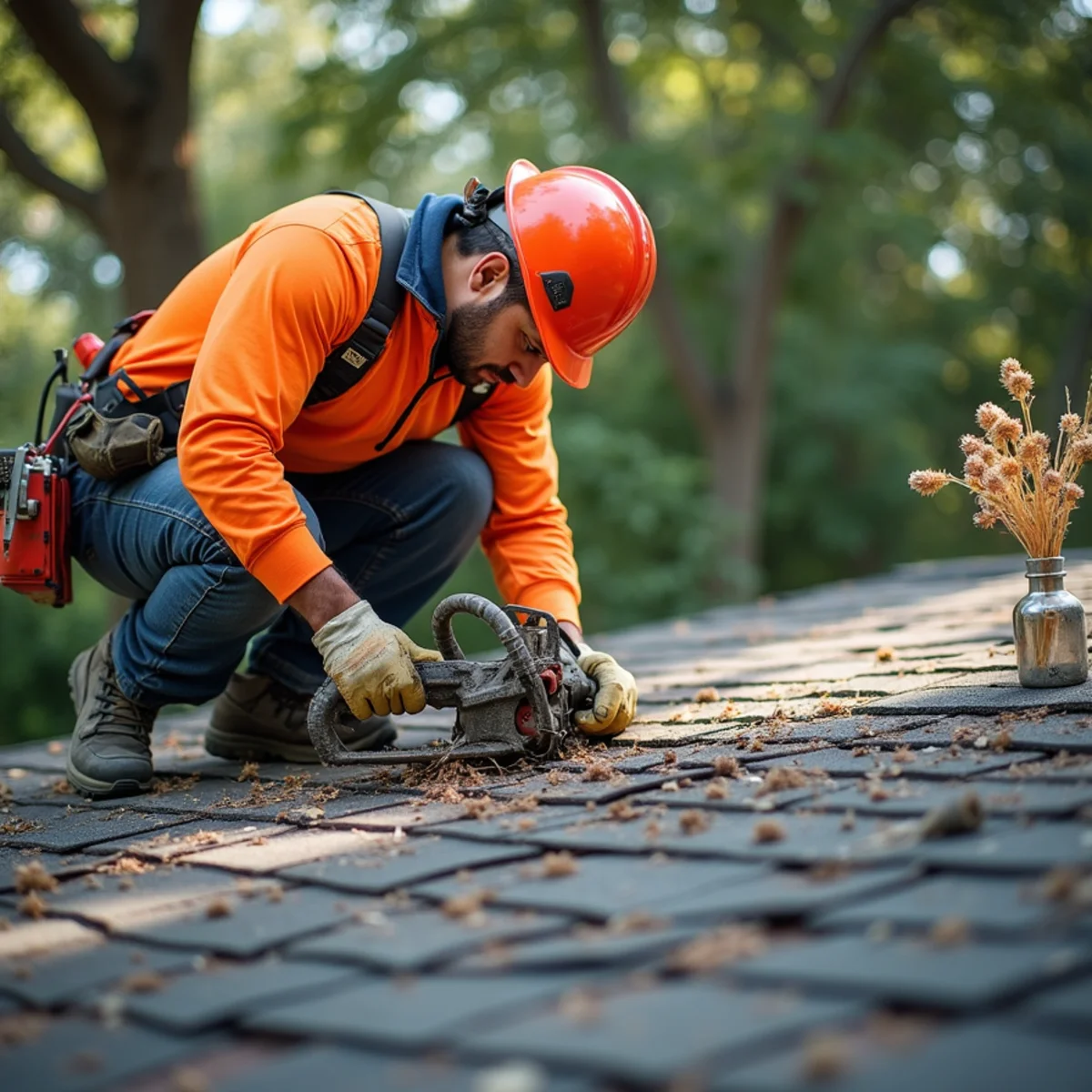
- Heavy low-hanging branches scraping across asphalt shingles, gutters, chimney flues, or utility service drops
- Severe end-weight accumulation on lateral branches causing mature limbs to sag dangerously toward structures
- Excessive epicormic water sprout growth along interior trunk scaffolding following unpermitted historical topping
Local Peninsula Environmental Triggers
The Peninsula's mild Mediterranean climate fosters rapid vegetative growth during sunny spring and summer months, followed by winter atmospheric rivers that bring heavy rains and sustained 50+ mph wind gusts. Dense, unpruned tree canopies act like giant sails in winter storms, creating catastrophic leverage against saturated root plates. In native oaks, improper pruning during warm months spreads pathogen spores like Sudden Oak Death, while overgrown eucalyptus branches drop massive limbs without warning during hot, windless summer afternoons.
Under California law and local municipal ordinances, property owners bear legal responsibility for hazardous trees that threaten adjacent roadways, sidewalks, power lines, or neighboring structures. Early intervention by an ISA Certified Arborist prevents emergency failures during severe coastal weather.
Request an On-Site Assessment for Tree Trimming & Pruning
Speak with our local Redwood City dispatch team at (213) 468-5153 to discuss your tree situation and schedule an arborist evaluation.
Our Methodological Standards for Tree Trimming & Pruning
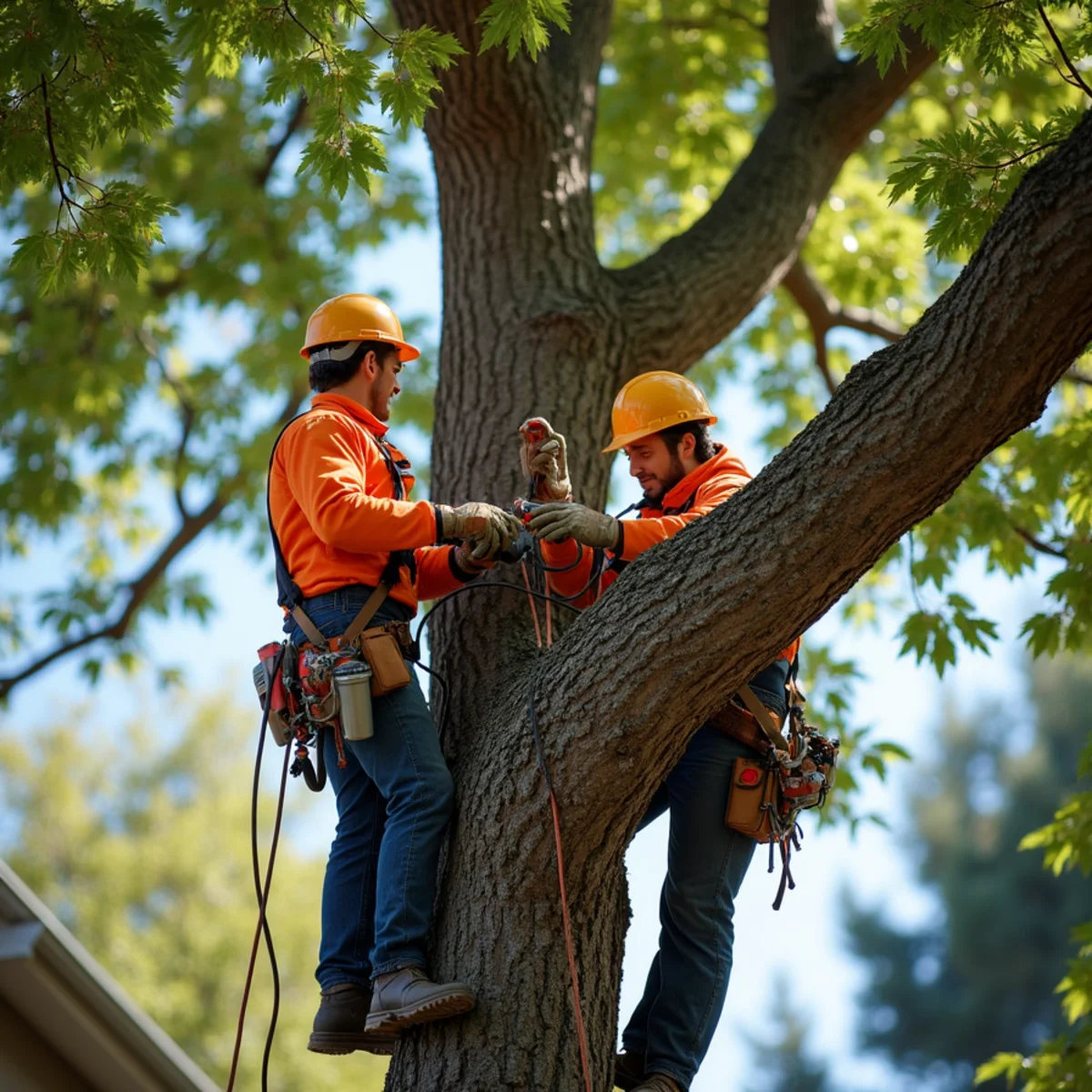
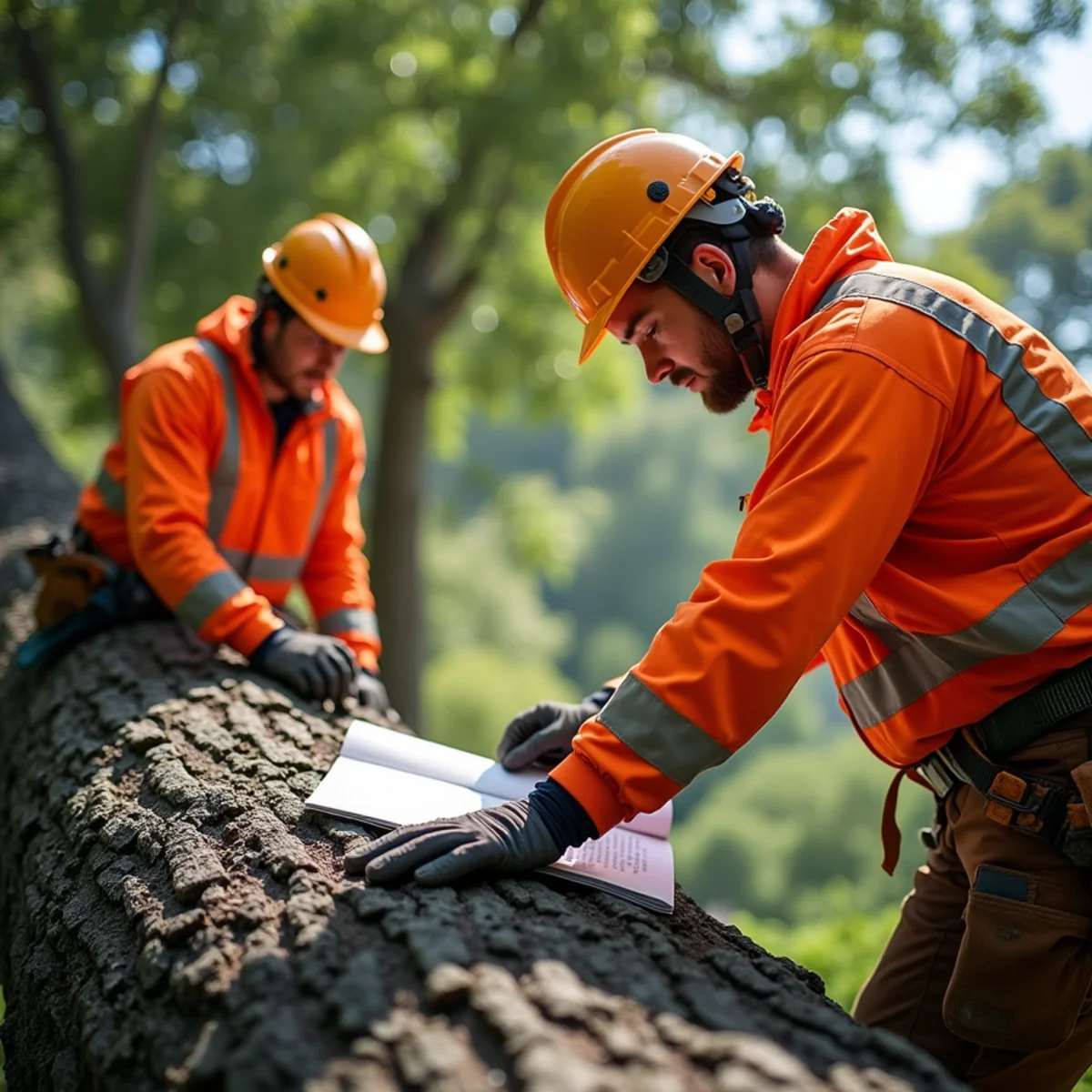
Our ISA Certified Arborists conduct structured pre-climb assessments evaluating crown density, live crown ratio, branch attachment angles, and overall structural vigor. We measure clearances from rooflines (requiring a minimum 8 to 10-foot buffer), solar collectors, service drops, and municipal sidewalk sightlines. We strictly enforce the ANSI A300 standard that no more than 20% to 25% of living foliage is removed during any single pruning cycle to prevent stress-induced dieback.
ANSI A300 Crown Cleaning & Deadwooding
Systematic removal of dead, dying, diseased, and mechanically broken branches throughout the entire canopy interior to eliminate falling hazard risks and prevent fungal sporulation.
Selective Crown Thinning & Sail Reduction
Carefully removing select tertiary branches toward the outer canopy to reduce wind resistance ('sail effect') and allow daylight to penetrate without stripping interior foliage or lion-tailing main boughs.
Crown Elevation & Clearance Pruning
Selective pruning of lower canopy branches to establish required vertical clearances: 8 feet above pedestrian sidewalks, 14 feet above city streets, and 10 feet away from chimneys and roof surfaces.
Structural Pruning & Subordination
Pruning codominant leaders and subordinating competing stems on mature trees to foster a dominant central leader, reducing the risk of catastrophic trunk splitting under winter storm loads.
Step-by-Step Execution: From Inspection to Final Cleanup
Tree Health Evaluation & Goal Alignment
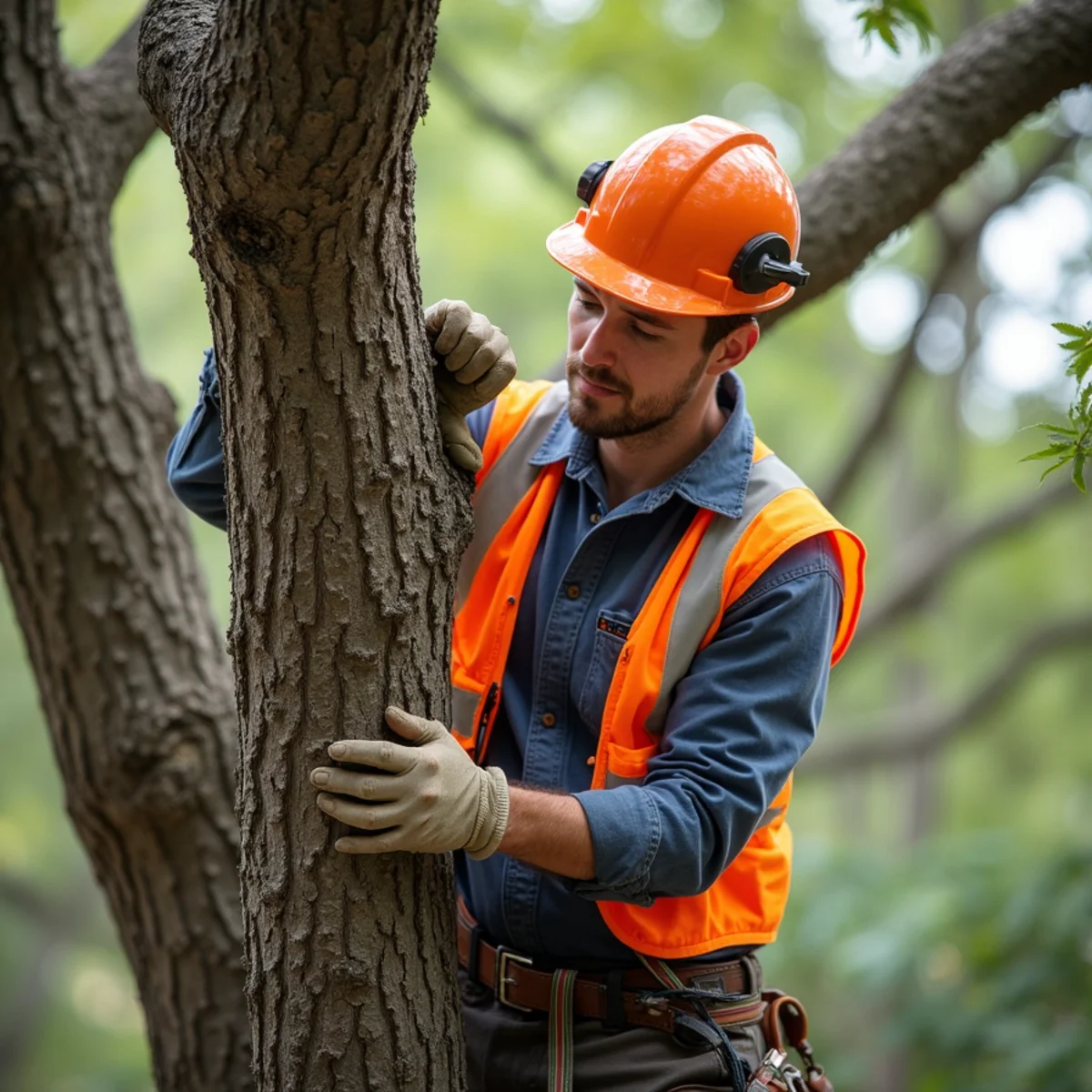
Our lead arborist inspects canopy vigor, identifies clearance priorities, discusses solar or view goals with the homeowner, and confirms dormant-season timing for oaks.
Rope & Saddle Ascension (Spurless Climbing)
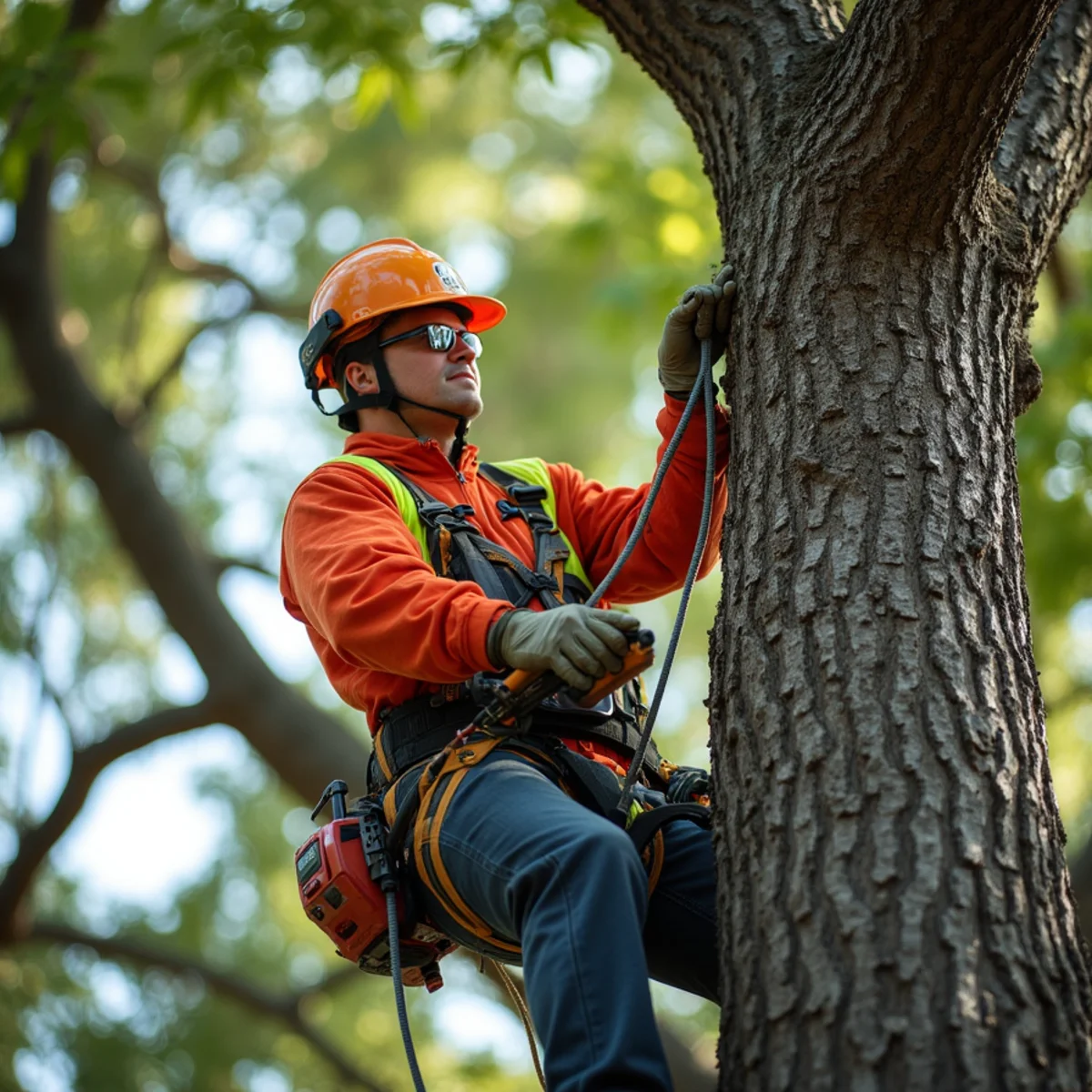
Technicians ascend using arborist friction savers and static rope lines. We strictly forbid climbing spurs on live trees, preventing puncture wounds that invite wood-boring insects.
Targeted Collar Cuts Outside Branch Bark Ridge
Climbers execute precise three-cut pruning methods outside the branch collar flare, ensuring the tree's natural defense zone rapidly compartmentalizes without decay.
Controlled Rigging Over Roofs & Landscape
Heavy limbs over roofs, glass skylights, or prized ornamental shrubbery are lowered under tension using lowering blocks and friction brakes with zero impact.
Chipping, Wood Mulching & Ground Blowdown
All trimmings are processed through commercial chippers. Lawns, gardens, and roofs are thoroughly raked and power-blown clean of debris.
Final Canopy Review & Care Recommendations
The climbing crew and property owner review the finished canopy profile from ground level to verify clearance compliance and establish ongoing care intervals.
How Much Does Tree Service Cost in Redwood City?
In accordance with California consumer protection standards, we do not quote arbitrary flat rates. Every estimate is custom-engineered based on the physical realities of your property:
Applies to Japanese maples, crepe myrtles, and fruit trees requiring structural shaping, deadwood removal, and architectural thinning from ground or pole.
Covers mature birch, ornamental pears, or medium oaks requiring rope-and-saddle climbing, roof clearance trimming, and moderate crown thinning.
Reflects full-day aerial operations on towering coast redwoods or heritage oaks requiring extensive high-canopy deadwooding and heavy limb rigging.
Cost-effective option for estate parcels in Emerald Hills or Atherton with multiple mature trees requiring multi-canopy trimming and complete debris haul.
Local Species & Redwood City Neighborhood Risk Profiles
Every Redwood City neighborhood presents distinct geological, architectural, and access dynamics that dictate equipment staging and rigging methods:
Canopy Thinning for Hillside Wildfire Buffers & Bay Views
Homes set along steep canyon roads require selective window pruning to open panoramic Bay views while elevating lower branches to eliminate fuel ladders under California defensible space guidelines.
Terraced Backyard Canopy Clearance & Roofline Protection
Mature oaks and pines on terraced slopes frequently overhang roof valleys and patio enclosures, requiring high-friction lowering lines to protect delicate tiered hardscape.
Crown Thinning for High Coastal Wind Buffering
Bayside winds place heavy lateral shear on dense pines and pepper trees. Selective crown thinning reduces wind drag ('sail effect') by up to 35%, preventing catastrophic winter blowdowns.
Overhead Utility Line & Solar Panel Clearance
Suburban single-story ranch homes with rooftop solar installations require periodic lateral reduction to prevent shade losses while maintaining a safe 10-foot buffer from secondary utility drops.
Key Tree Species Considerations in Redwood City
Coast Live Oak (Quercus agrifolia)
Strict dormant-season pruning rule (November to February). Pruning during warm spring or summer months attracts bark beetles and exposes open wounds to Sudden Oak Death fungal spores. Never remove more than 15% of live oak foliage.
Coast Redwood (Sequoia sempervirens)
Requires selective interior deadwooding and lower canopy elevation. Redwoods should never be topped or lion-tailed, which induces excessive epicormic sprouting and ruins natural spire geometry.
Monterey Pine (Pinus radiata)
Prone to pitch canker and brittle branch failure. Pruning must focus on removing deadwood and reducing excessive branch length to minimize structural leverage during saturated winter storms.
London Plane & Sycamore (Platanus x acerifolia)
Susceptible to sycamore anthracnose fungal blight in damp spring weather. Winter pollarding or structural crown thinning improves air movement and suppresses spore germination.
Municipal Permit Compliance & Contractor Credentials
All pruning operations strictly adhere to ANSI A300 Part 1 pruning standards and California CSLB C-61/D49 contracting regulations. Tree topping—the indiscriminate heading back of large branches—is strictly prohibited as a harmful practice that ruins tree architecture. For designated protected trees under Redwood City Municipal Code (trees 12 inches DBH or greater), pruning that removes more than 25% of the living crown is considered severe pruning and requires arborist consultation and potential city notification.
Questions to Verify Before Hiring Any California Tree Service Contractor:
- Verify Active California CSLB C-61/D49 Tree Service Contractor License (#1084291)
- Confirm Strict Adherence to ANSI A300 Pruning Standards and Prohibition of Tree Topping
- Verify Climbers Use Rope and Saddle Gear without Climbing Spurs on Live Pruning Jobs
- Confirm $2,000,000 Commercial General Liability Policy and Active Workers' Compensation
- Ensure ISA Certified Arborist (#WE-12849A) Pre-Inspects Native Oaks for Seasonal Timing
Frequently Asked Questions About Tree Trimming & Pruning
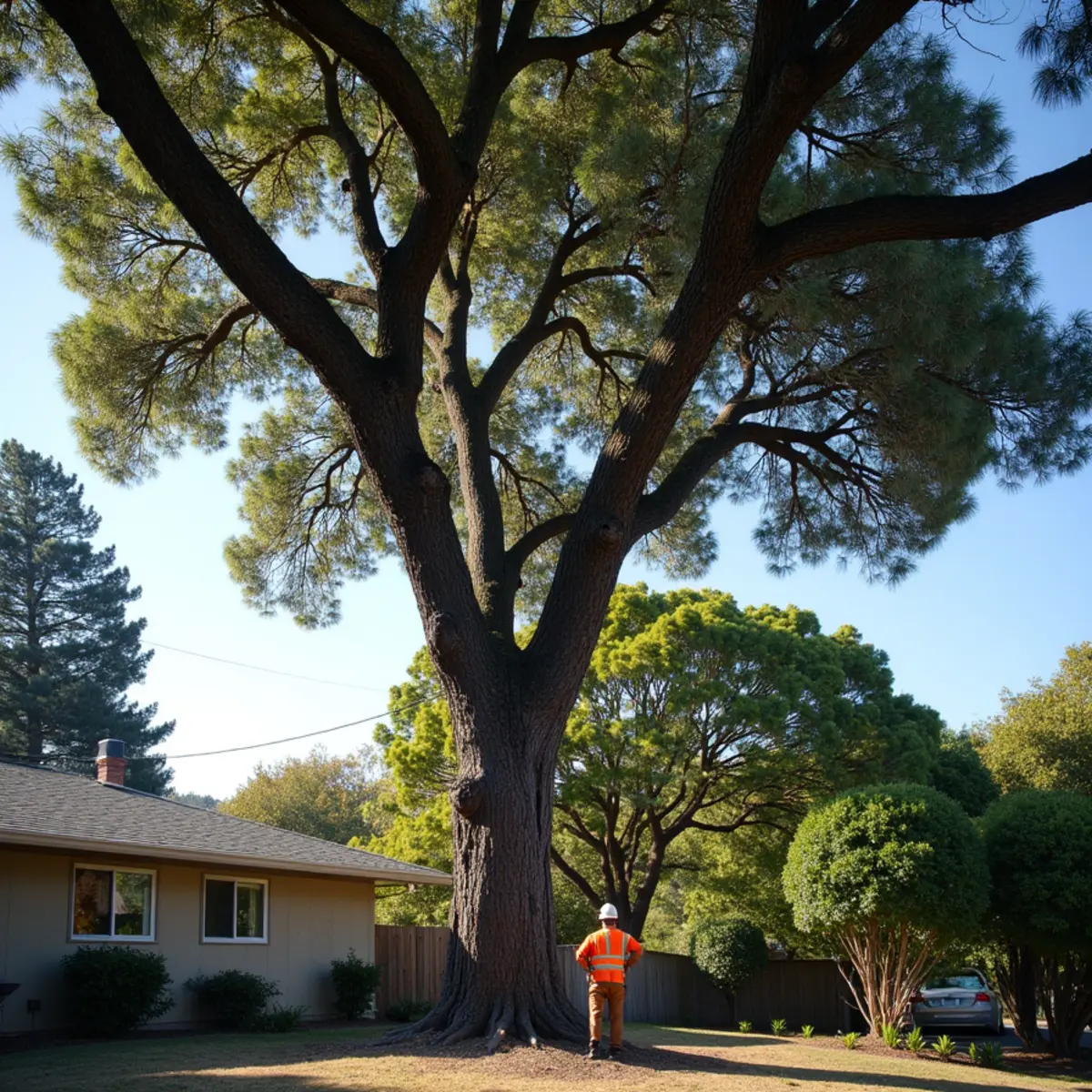
Most mature hardwoods like coast live oaks and maples require maintenance pruning every 3 to 5 years, while fast-growing ornamental trees or trees close to rooflines benefit from inspection and light pruning every 2 to 3 years to maintain fire clearance and eliminate hazardous deadwood.
Related Tree Services, Local Guides & Service Areas
Related Services
Helpful Tree Care Articles
Primary Service Locations
Get a Free Estimate for Tree Trimming & Pruning
Call (213) 468-5153 to speak directly with our arborist team. We answer calls around the clock and provide fast on-site evaluations across Redwood City and San Mateo County.