24/7 Peninsula Emergency Storm & Tree Response
Arborist Knowledge Base

Peninsula Tree Care, Permit & Safety Guides

In-depth arborist insights on Redwood City protected tree ordinances, winter storm hazard prevention, Sudden Oak Death treatments, and transparent tree removal cost factors across San Mateo County.

What to Do When a Tree Falls on Your House in Redwood City
Featured Guide
A — Emergency·Updated 2026-10-10

What to Do When a Tree Falls on Your House in Redwood City

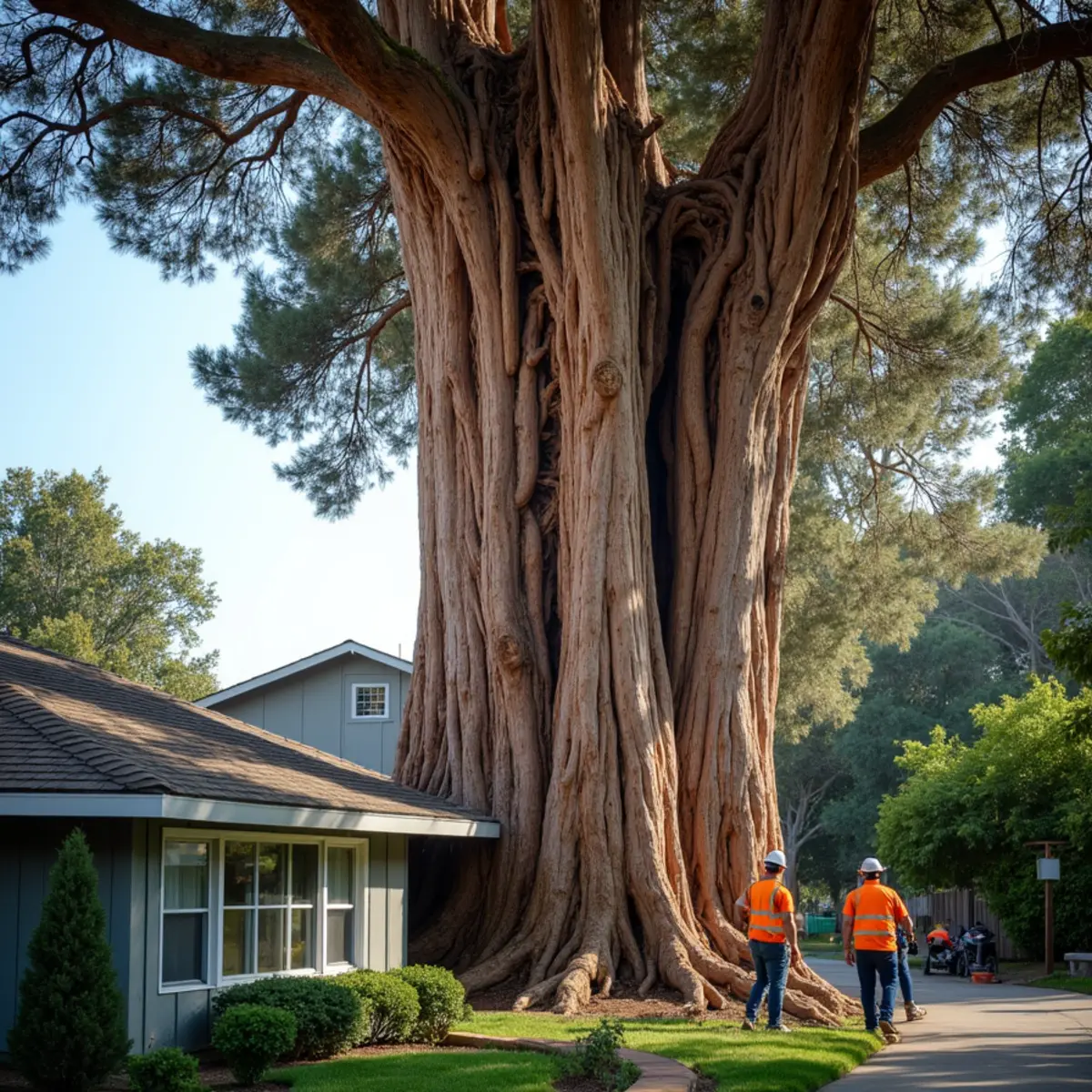
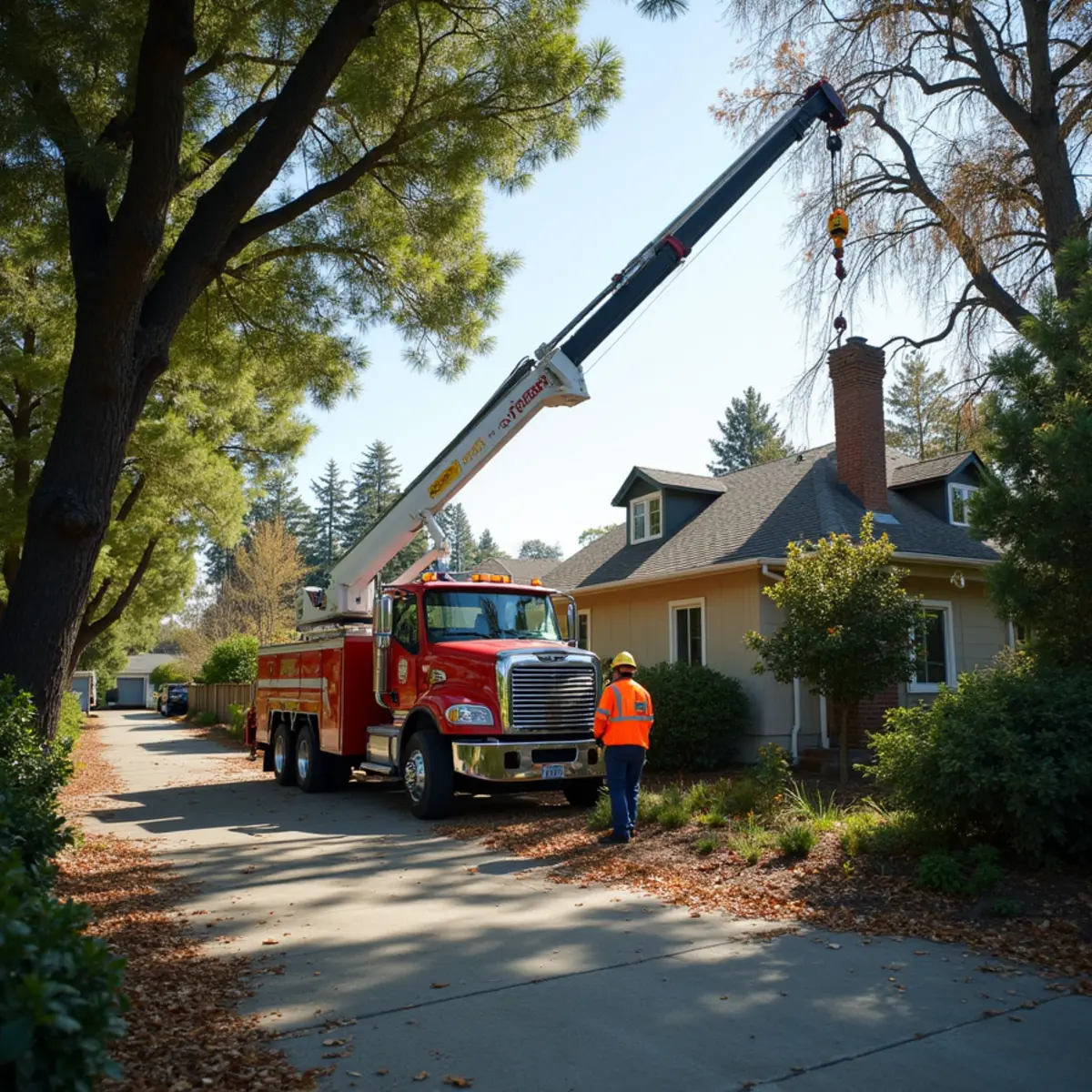
When a multi-ton tree or massive limb crashes into a residential roof, your absolute first priority is immediate human safety. Do not remain inside to inspect the ceiling or salvage personal property. Structural shockwaves from a high-impact tree strike frequently shatter load-bearing ceiling rafters, shear electrical conduits within wall cavities, crack natural gas supply pipes, and dislodge heavy clay roofing tiles that can collapse into living areas without warning. Evacuate all household members and pets from rooms beneath and adjacent to the impact zone immediately. If the tree struck during an active winter atmospheric river storm, ground saturated soils around your foundation may also have destabilized. If you smell natural gas, hear a hissing sound, or observe flickering circuit breakers, evacuate the residence entirely, retreat to a safe location at least 100 feet away, and call 911 immediately from a mobile phone.

Read Full Emergency Guide

All Tree Care Articles (20)

Tree Removal Cost in Redwood City and San Mateo County
B — Cost & Insurance
Updated 2026-10-10

Tree Removal Cost in Redwood City and San Mateo County

Tree removal on the San Francisco Peninsula is not a generic commodity. Pricing across Redwood City and San Mateo County reflects complex physical realities: dense suburban parcel layouts, high property values, mature tree canopies, and strict local municipal tree protection codes. As a realistic benchmark for residential properties: • Small Trees (under 25 feet, trunk under 12" DBH): Typically ranges between $500 and $950. Examples include small ornamental fruit trees, Japanese maples, and crape myrtles with open yard access. • Medium Trees (25 to 50 feet, 12" to 24" DBH): Typically costs between $950 and $2,200. This includes moderate birch, liquidambar, and younger pine trees requiring controlled sectional rigging. • Large Mature Specimens (50 to 80+ feet, 24" to 36"+ DBH): Ranges between $2,200 and $5,500+. Large coast live oaks, mature redwoods, and standard Monterey pines near structures require sectional piecing and aerial lowering. • Hazardous, Massive or Crane-Assisted Removals (80 to 120+ feet): Can range from $5,000 to $12,000+. Massive blue gum eucalyptus, dying heritage oaks on steep hillsides, or landlocked backyard redwoods requiring 40-ton crane picks fall into this category.
Read Article5 min read
Redwood City Tree Removal Permits: Protected Tree Rules
D — Local
Updated 2026-10-10

Redwood City Tree Removal Permits: Protected Tree Rules

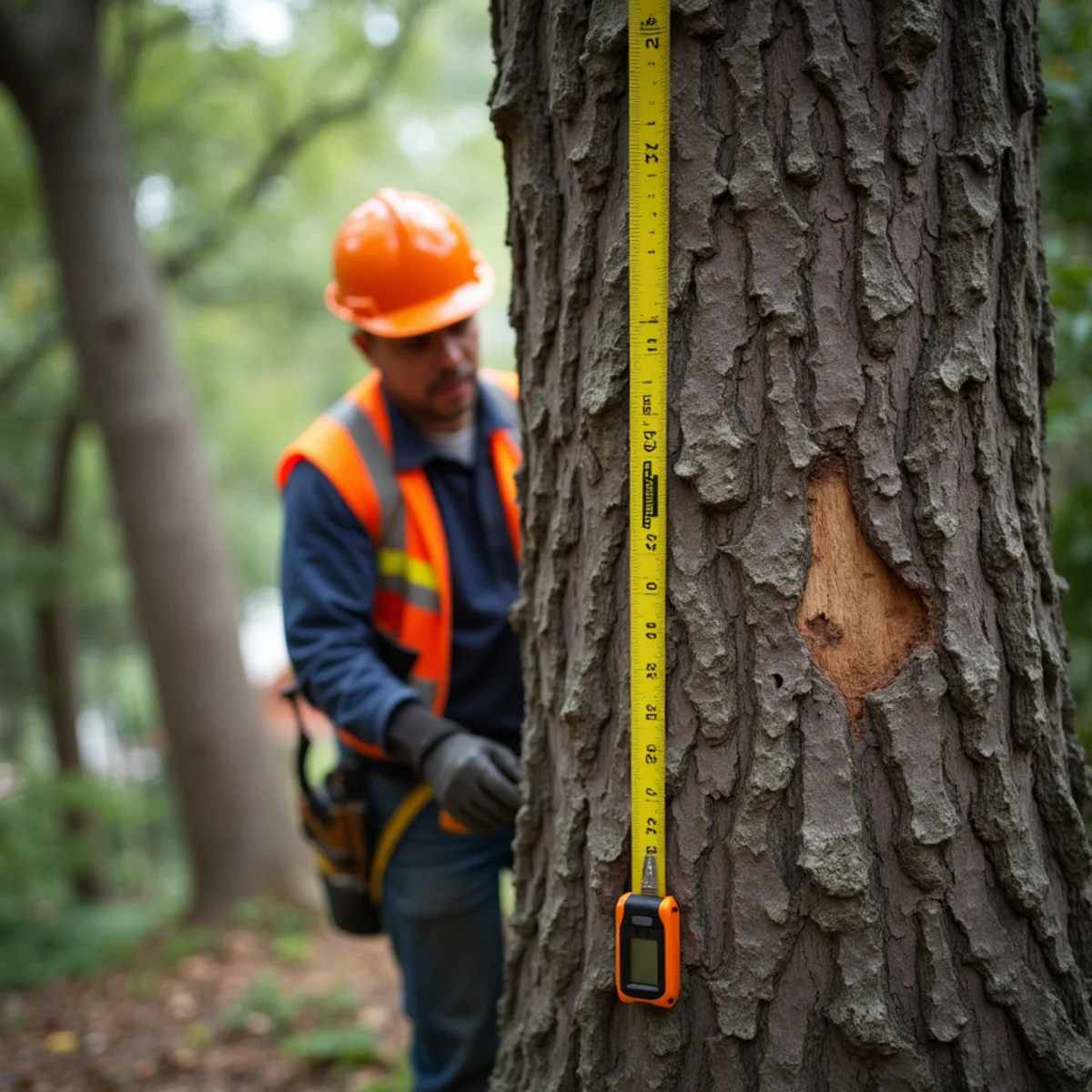
Under Redwood City Municipal Code Chapter 29, the city enforces strict canopy preservation standards on both residential private property and public rights-of-way. Any tree with a trunk diameter of 12 inches or greater, measured at breast height (DBH, which is exactly 54 inches above natural grade level), is officially classified as a 'Protected Tree'. For multi-stemmed trees, if the combined diameter of the trunks equals 12 inches or more, the tree is also protected. Removing, altering, or severely cutting a protected tree without an approved municipal permit from the Redwood City Public Works Department is a direct violation of municipal code. Penalties can reach thousands of dollars in administrative fines, mandatory restitution plantings, and stop-work orders on concurrent residential building permits.

Read Article5 min read
Does Homeowners Insurance Cover Tree Removal in California?
B — Cost & Insurance
Updated 2026-10-10

Does Homeowners Insurance Cover Tree Removal in California?

Navigating homeowners insurance claims for fallen trees in California can be confusing, but the governing insurance principle is straightforward: Coverage is triggered by what the tree hits, not by where the tree stood. In California standard HO-3 and HO-5 homeowners insurance policies, insurance pays for tree removal only when the fallen tree damages an insured structure or blocks vital property access. If an 80-foot redwood blows down in your backyard and crushes your roof, detached garage, workshop, or fence, your insurance policy covers the physical structural damage and the emergency cost to lift the tree off the building. Conversely, if that exact same tree falls harmlessly across your lawn, garden beds, or patio without striking an insured structure, homeowners insurance will not pay for tree cutting or timber haul-away.

Read Article5 min read
A Neighbor's Tree Fell on My Property: Who Pays in California?
B — Cost & Insurance
Updated 2026-10-10

A Neighbor's Tree Fell on My Property: Who Pays in California?

When a neighbor's tree topples over the fence line and lands on your Redwood City property, the situation is emotionally stressful and legally nuanced. Most homeowners assume that because the tree trunk was rooted in the neighbor's soil, the neighbor is automatically responsible for all damage and cleanup costs. Under California property and insurance law, this is rarely true. The baseline legal rule in California is that unexpected tree failures caused by natural weather events—such as winter atmospheric rivers, sudden wind gusts, or saturated soils—are classified as 'Acts of God'. In these circumstances, the owner of the property where the damage occurred must file a claim with their own homeowners insurance company. If your neighbor's healthy oak tree blows over onto your roof, your insurance policy covers the roof damage and debris removal, minus your deductible.

Read Article5 min read
Tree Touching Power Lines: When to Call PG&E and When to Call an Arborist
A — Emergency
Updated 2026-10-10

Tree Touching Power Lines: When to Call PG&E and When to Call an Arborist

When tree branches encroach on overhead utility wires in Redwood City or across San Mateo County, determining who to contact depends entirely on the type of wire involved. Overhead utility poles carry multiple distinct wire layers with vastly different voltage levels and legal maintenance responsibilities: • High-Voltage Distribution Primaries (Top of Pole): These uninsulated lines carry 12,000 to 21,000 volts of electricity. By California state law, maintenance within the primary zone is exclusively the legal responsibility of Pacific Gas and Electric (PG&E). Private tree companies without Line Clearance Tree Trimmer (LCTT) credentials and utility authorization are strictly prohibited from touching these conductors. • Low-Voltage Secondary Lines (Middle Tier): Located below the distribution transformer, these lines carry 120/240 volts between poles. PG&E monitors these lines for fire hazard clearance under CPUC guidelines. • Residential Service Drops (Pole to House): The triplex insulated service drop running from the neighborhood utility pole directly to your home's roof weatherhead is the legal maintenance responsibility of the property owner in California. • Telecommunications & Cable (Bottom Layer): Telephone and fiber-optic cables carry low electrical voltage, but tree limb friction can sever communication links or tear weatherheads off roof fascias during winter storms.

Read Article5 min read
Atmospheric River Warning: Signs a Tree Could Fail in the Next Storm
A — Emergency
Updated 2026-10-10

Atmospheric River Warning: Signs a Tree Could Fail in the Next Storm

Winter storms on the San Francisco Peninsula are increasingly dominated by atmospheric river events—prolonged meteorological corridors that dump 3 to 7 inches of continuous rainfall across Redwood City, Emerald Lake Hills, and Woodside within 48 to 72 hours. While healthy native trees are adapted to wet winters, prolonged saturation alters soil mechanics dramatically. Peninsula soils are rich in expansive Franciscan clay and sedimentary shale. When saturated to field capacity, clay particles lose shear strength, transforming from a dense structural anchor into a slick, fluid slurry. As gale-force wind gusts exceeding 45 to 60 mph strike dense evergreen canopies, the sail effect exerts hundreds of thousands of foot-pounds of rotational torque on the root plate, leading to catastrophic whole-tree windthrow.

Read Article5 min read
Stump Grinding vs. Full Stump Removal: Costs and Trade-Offs
B — Cost & Insurance
Updated 2026-10-10

Stump Grinding vs. Full Stump Removal: Costs and Trade-Offs

Following tree removal, homeowners across Redwood City and San Mateo County must decide how to handle the remaining wooden stump and root system. While many people use 'stump grinding' and 'stump removal' interchangeably, they are fundamentally different mechanical procedures with distinct impacts on your landscape and budget: • Stump Grinding: Uses a heavy hydraulic commercial grinding machine equipped with a rotating steel wheel and tungsten-carbide teeth. The machine methodically shaves the tree stump down 6 to 12 inches (or up to 18 inches for deep specs) below natural grade level, pulverizing the wood and surface root flare into a fine blend of wood chips and soil. The subterranean lateral root network remains in place underground to decompose naturally over several years. • Full Stump Removal (Excavation): Involves digging out the entire root ball and primary taproots using a mini-excavator or backhoe. The root mass is physically severed, ripped from the soil, hoisted onto a dump trailer, and hauled to a commercial recycling facility, leaving a massive crater in your yard.

Read Article5 min read
What an Arborist Report Includes and When the City Requires One
C — Core service
Updated 2026-10-10

What an Arborist Report Includes and When the City Requires One

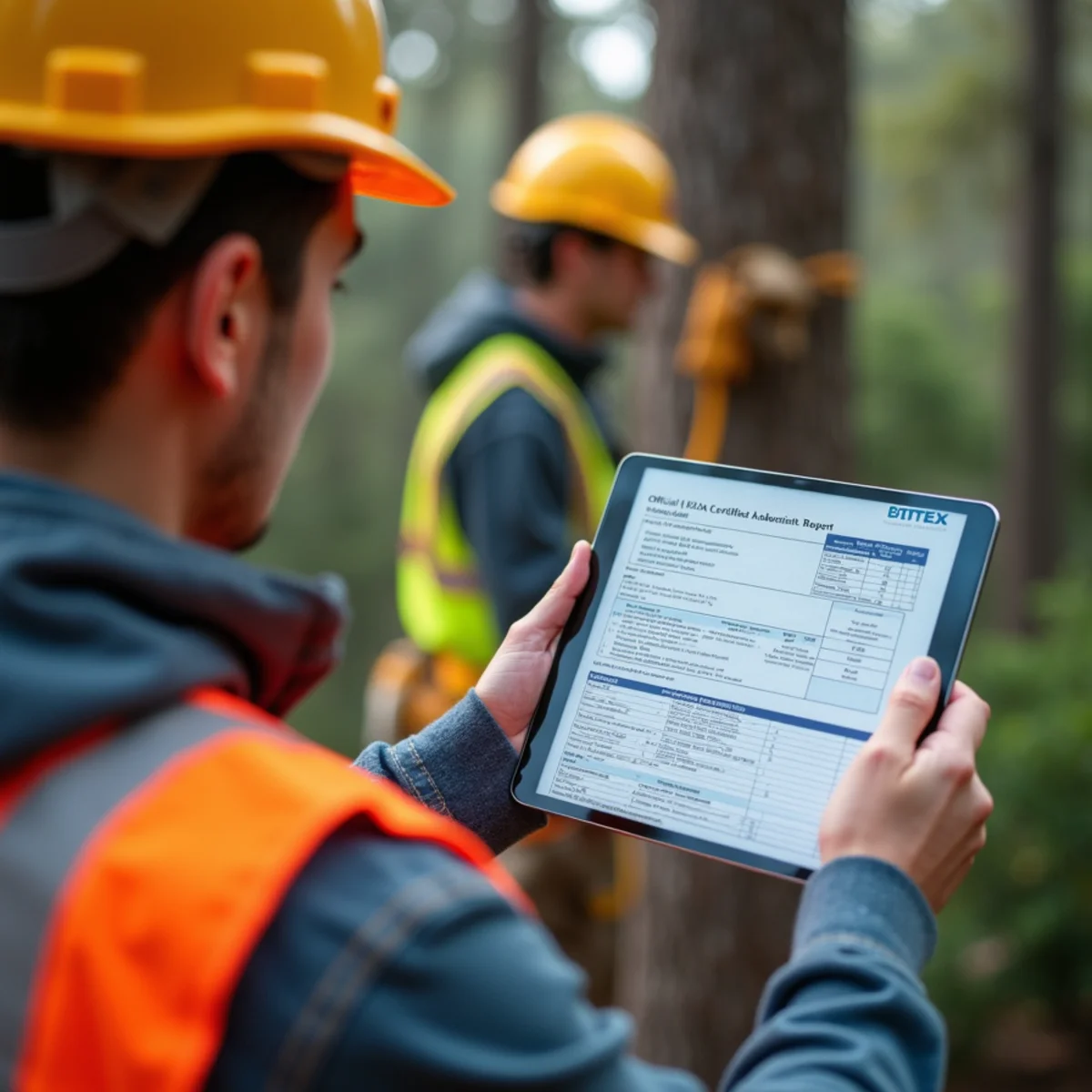
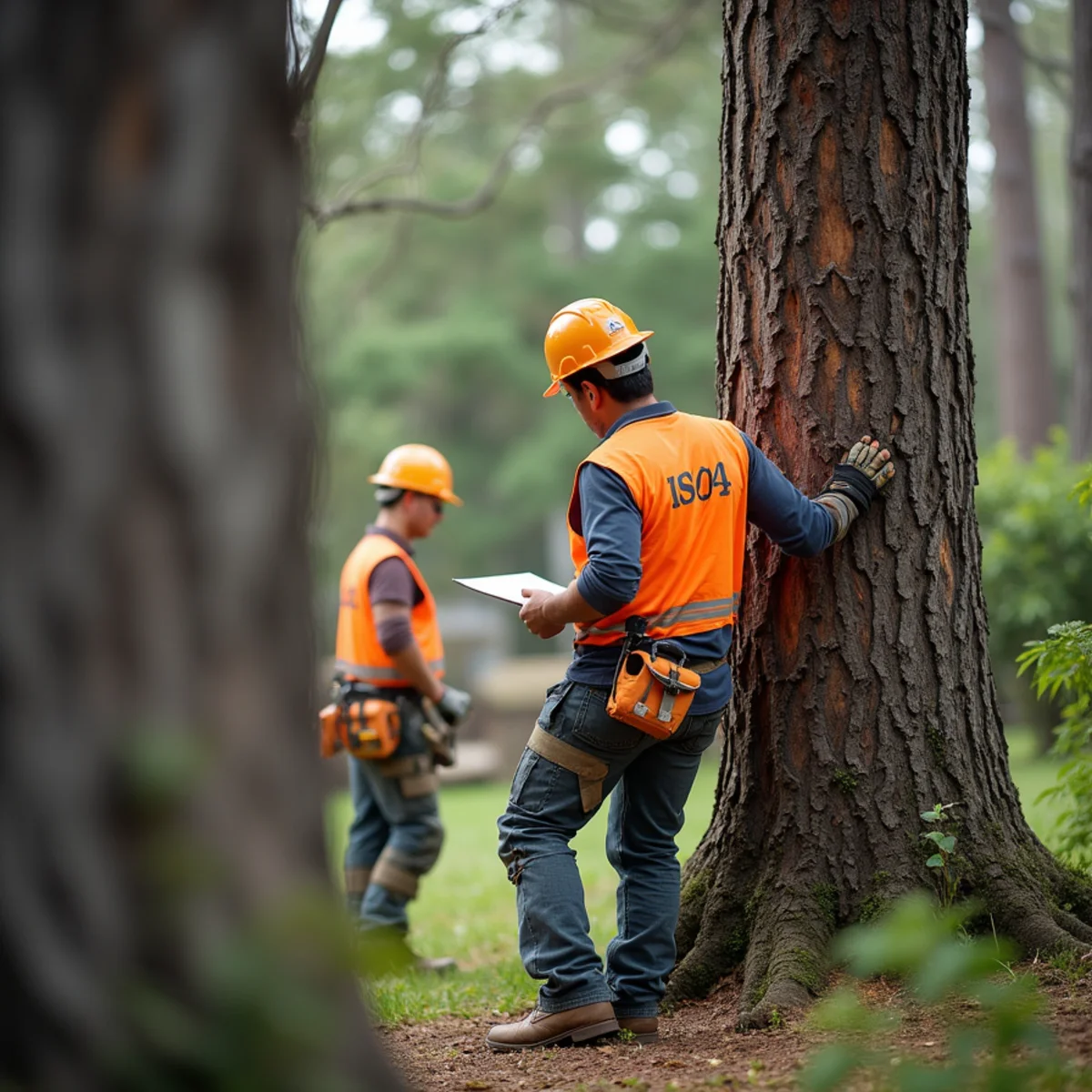
An arborist report is a formal, legally binding technical document authored by an International Society of Arboriculture (ISA) Certified Arborist, typically holding the advanced ISA Tree Risk Assessment Qualification (TRAQ). Unlike a basic commercial tree trimming estimate or sales quote, an arborist report provides a scientific, objective assessment of a tree's health, structural integrity, biological condition, and risk profile. Across Redwood City and San Mateo County, municipal planning departments, building divisions, insurance carriers, and legal courts rely on arborist reports to make evidence-based decisions regarding protected tree removal permits, development project approvals, code compliance, and property line liability disputes.

Read Article5 min read
Should You Remove That Eucalyptus? Risks for Peninsula Homes
C — Core service
Updated 2026-10-10

Should You Remove That Eucalyptus? Risks for Peninsula Homes

Blue gum eucalyptus (Eucalyptus globulus) was introduced to California from southeastern Australia during the Gold Rush in the 1850s, touted as a fast-growing timber source and railway tie miracle. While the timber proved too brittle and prone to twisting for commercial lumber, millions of saplings were planted as windbreaks and ornamental groves across the San Francisco Peninsula, from Hillsborough down through Redwood City, Belmont, and Woodside. Today, these trees have matured into towering giants reaching 100 to 150+ feet in height. While their silver-blue foliage and aromatic scent are familiar features of the Bay Area landscape, their rapid growth, massive structural mass, volatile essential oils, and shallow root systems present severe, documented hazards to Peninsula residential properties.

Read Article5 min read
Sudden Oak Death in San Mateo County: Symptoms, Testing and Treatment
C — Core service
Updated 2026-10-10

Sudden Oak Death in San Mateo County: Symptoms, Testing and Treatment

Sudden Oak Death (SOD) is a devastating plant disease caused by the virulent water mold pathogen Phytophthora ramorum. While colloquially called a fungus, Phytophthora is biologically an oomycete—an organism closely related to brown algae that thrives in cool, moist coastal climates. Since its initial identification in Marin County in 1995, Sudden Oak Death has killed millions of native oak and tanoak trees across coastal Northern California, creating severe canopy loss and heightened wildfire hazards throughout San Mateo County. On the San Francisco Peninsula, the pathogen primarily impacts Coast Live Oak (Quercus agrifolia), California Black Oak (Quercus kelloggii), Shreve Oak (Quercus parvula var. shrevei), and Canyon Live Oak (Quercus chrysolepis). True white oaks—such as our majestic native Valley Oak (Quercus lobata) and Blue Oak (Quercus douglasii)—are naturally immune or highly resistant to the pathogen.

Read Article5 min read
Defensible Space for Woodside, Portola Valley and Emerald Lake Hills Homes
D — Local
Updated 2026-10-10

Defensible Space for Woodside, Portola Valley and Emerald Lake Hills Homes

The wooded foothills of San Mateo County—encompassing Woodside, Portola Valley, Emerald Lake Hills, Palomar Park, and Los Trancos Woods—are globally recognized for their breathtaking natural beauty. However, this dense interface where residential architecture meets native forest and chaparral is classified by Cal Fire as a High to Very High Fire Hazard Severity Zone (VHFHSZ). Steep canyon topography, narrow winding private roads, dense stands of volatile eucalyptus and Monterey pine, and dry Diablo wind events in late summer and autumn create an extreme wildfire environment. Defensible space is not simply about clearing brush; it is a scientifically designed vegetation management perimeter that slows advancing fire, deprives flames of fuel ladders, and provides safe staging zones for fire engine crews protecting your home.

Read Article5 min read
When to Prune Oak Trees on the Peninsula
C — Core service
Updated 2026-10-10

When to Prune Oak Trees on the Peninsula

California native oaks are the ecological crown jewels of the San Francisco Peninsula. Coast live oaks (Quercus agrifolia), valley oaks (Quercus lobata), and blue oaks (Quercus douglasii) provide iconic architectural beauty, shade, and wildlife habitat across Redwood City, Atherton, and Menlo Park. However, pruning native oaks requires precise biological timing. Pruning at the wrong time of year exposes these stately trees to lethal pathogens, wood-boring insects, and physiological decline. Certified arborists recognize two primary safe pruning windows for Peninsula oaks: 1. Deep Winter Dormancy (December through February): Cold temperatures suppress insect activity and fungal sporulation. For deciduous valley oaks, winter bare-branch visibility allows arborists to inspect branch architecture and make clean structural cuts. 2. Mid-Summer Dry Period (July through August): During hot, dry summer months, rainfall is absent, soil moisture is low, and fungal pathogens like Phytophthora ramorum (Sudden Oak Death) are dormant. Minor structural pruning and deadwooding can be executed safely.

Read Article5 min read
Crown Thinning vs. Topping: Why Topping Hurts Bay Area Trees
C — Core service
Updated 2026-10-10

Crown Thinning vs. Topping: Why Topping Hurts Bay Area Trees

Tree topping—also known colloquially as heading, stubbing, hat-racking, or rounding-over—is the indiscriminate cutting back of mature tree branches to arbitrary stubs or small lateral branches that are not large enough to assume the terminal role. It is among the most destructive, biologically harmful practices in arboriculture, yet unqualified handymen and unlicensed tree cutters continue to market it to Peninsula homeowners under the false promises of 'reducing tree size' or 'preventing storm blow-down'. When a tree is topped, 50% to 100% of its leaf-bearing crown is abruptly sheared away. The remaining exposed branch stubs lack terminal buds to regulate growth hormones, initiating a downward spiral of physiological shock, internal wood decay, and heightened structural hazard.

Read Article5 min read
Pre-Winter Tree Safety Checklist for Bay Area Homeowners
E — Prevention
Updated 2026-10-10

Pre-Winter Tree Safety Checklist for Bay Area Homeowners

For San Francisco Peninsula homeowners, the autumn months between September and November represent the most critical window for tree risk mitigation. The dry Mediterranean summer has concluded, but the powerful winter atmospheric river storms and gale-force coastal winds have not yet arrived. Soils are still firm and stable, allowing heavy bucket trucks, mobile cranes, and chippers to access residential yards without tearing up sod or compacting wet root zones. Conducting a structured pre-winter tree safety assessment allows property owners to identify hidden structural defects, eliminate hazardous deadwood, reduce wind sail resistance, and clear rooflines before heavy rains saturate clay soils and trigger catastrophic tree failures.

Read Article5 min read
HOA and Property Manager Guide to Tree Risk and Liability in California
F — Commercial
Updated 2026-10-10

HOA and Property Manager Guide to Tree Risk and Liability in California

Homeowners Associations (HOAs) and commercial property managers throughout San Mateo County bear a non-delegable legal duty of care to maintain common area trees in a reasonably safe condition. Under the California Davis-Stirling Common Interest Development Act (specifically California Civil Code § 4775) and California Civil Code § 1714, the HOA Board of Directors has an affirmative fiduciary responsibility to inspect, maintain, and repair association-owned common area property, including mature urban canopies. When a tree limb shears off in a winter storm and crushes a resident's car, or a sidewalk heave trips an elderly pedestrian, courts evaluate whether the HOA exercised 'ordinary and reasonable care'. If the board knew—or through reasonable cyclical inspection should have known—that a tree was diseased, structurally compromised, or creating hardscape hazards, the association faces severe premises liability and potential personal director liability for gross negligence. Documenting regular arborist inspections in board minutes provides vital legal protection against tort claims.

Read Article5 min read
What to Put in a Commercial Tree Care Contract
F — Commercial
Updated 2026-10-10

What to Put in a Commercial Tree Care Contract

Commercial real estate managers overseeing office parks, tech campuses, medical centers, retail centers, and industrial facilities across Silicon Valley and San Mateo County face distinct property management challenges. While routine landscape contractors handle turf mowing, hedge trimming, and sprinkler heads, mature tree canopies require specialized industrial machinery, structural risk management, and rigorous safety standards. Relying on general landscapers to prune 60-foot trees creates severe liability exposure. Landscaping workers lack ANSI A300 training, often topping branches, stripping bark with weed whackers, or pruning near energized lines. A dedicated commercial tree service contract establishes legally enforceable performance standards, protects asset values, and mitigates premises liability. Unmanaged tree risks threaten tenant parking stalls, delivery corridors, and corporate customer safety, directly risking lease renewals and insurance premiums.

Read Article5 min read
Monterey Pine and Cypress Problems on the San Mateo Coast
D — Local
Updated 2026-10-10

Monterey Pine and Cypress Problems on the San Mateo Coast

The dramatic coastline of San Mateo County—spanning Pacifica, Montara, Moss Beach, El Granada, and Half Moon Bay—features one of the most distinctive tree canopies in California. Towering Monterey pines (Pinus radiata) and sculptural Monterey cypresses (Cupressus macrocarpa) line Highway 1 and anchor residential coastal neighborhoods. While naturally adapted to maritime fog and salt-laden Pacific breezes, these coastal stands are facing severe ecological and structural crises. Tens of thousands of trees planted as agricultural windbreaks and residential privacy buffers in the mid-20th century have reached the end of their biological lifespans. Accelerated by introduced fungal pathogens, epidemic bark beetle attacks, persistent salt-spray aerosol damage, and shifting rainfall cycles, declining pines and cypresses represent critical property and life-safety hazards along the coastal corridor.

Read Article5 min read
Drought Stress in Redwoods and Landscape Trees: Signs and Fixes
E — Prevention
Updated 2026-10-10

Drought Stress in Redwoods and Landscape Trees: Signs and Fixes

Coast redwoods (Sequoia sempervirens) are among the most magnificent living organisms on Earth. In their native coastal fog-belt canyons—such as Purisima Creek and Big Basin—mature redwoods thrive in deep, damp alluvial soils, receiving up to 50 inches of winter rain and drawing 30% to 40% of their annual moisture directly from heavy summer maritime fog drip condensing in high canopies. However, across suburban Peninsula landscapes in Redwood City, Menlo Park, Atherton, and Palo Alto, redwoods are planted in unnatural microclimates. Growing in compacted clay soils, surrounded by asphalt driveways, and subjected to dry summer Mediterranean heat with zero coastal fog, landscape redwoods suffer chronic, debilitating drought stress during extended California dry cycles. A mature 80-foot redwood can transpire over 300 to 500 gallons of water daily during hot July afternoons; when soil capillary moisture is depleted, cellular pressure collapses rapidly.

Read Article5 min read
How Often Should You Trim Trees? A Schedule by Species
E — Prevention
Updated 2026-10-10

How Often Should You Trim Trees? A Schedule by Species

One of the most common questions Peninsula homeowners ask our arborists is: 'How often should I have my trees trimmed?' The short answer is that there is no universal, one-size-fits-all calendar for tree pruning. A fast-growing blue gum eucalyptus towering over a property line demands vastly different care than a slow-growing century-old heritage valley oak or an ornamental Japanese maple. Pruning frequency is determined by four primary biological and operational variables: botanical species growth rates, maturity stage (young training vs mature maintenance), structural proximity to high-value targets (roofs, chimneys, utility drops), and microclimate wind exposure. Establishing an evidence-based pruning cycle preserves tree health, prevents storm failures, and saves thousands of dollars in unnecessary cutting. Understanding tree biology—specifically how trees store starches in root zones and compartmentalize pruning wounds (CODIT)—ensures cuts promote long-term structural resilience rather than decay.

Read Article5 min read
Fast Peninsula Dispatch · 24/7 Availability

Have Questions About a Tree on Your Property?

Call (213) 468-5153 to speak with our certified arborists. We provide free on-site consultations across Redwood City and San Mateo County.

CSLB C-61/D49 License On File$2,000,000 General Liability ProtectionISA Certified Arborist Assessments
Call 24/7Text Photos