
Drought Stress in Redwoods and Landscape Trees: Signs and Fixes
Spot a drought stressed redwood tree early. Top dieback, inner branch browning, deep-root watering schedules and mulch tips. Call (213) 468-5153 today.
Coast Redwood Ecology in Suburban San Mateo County
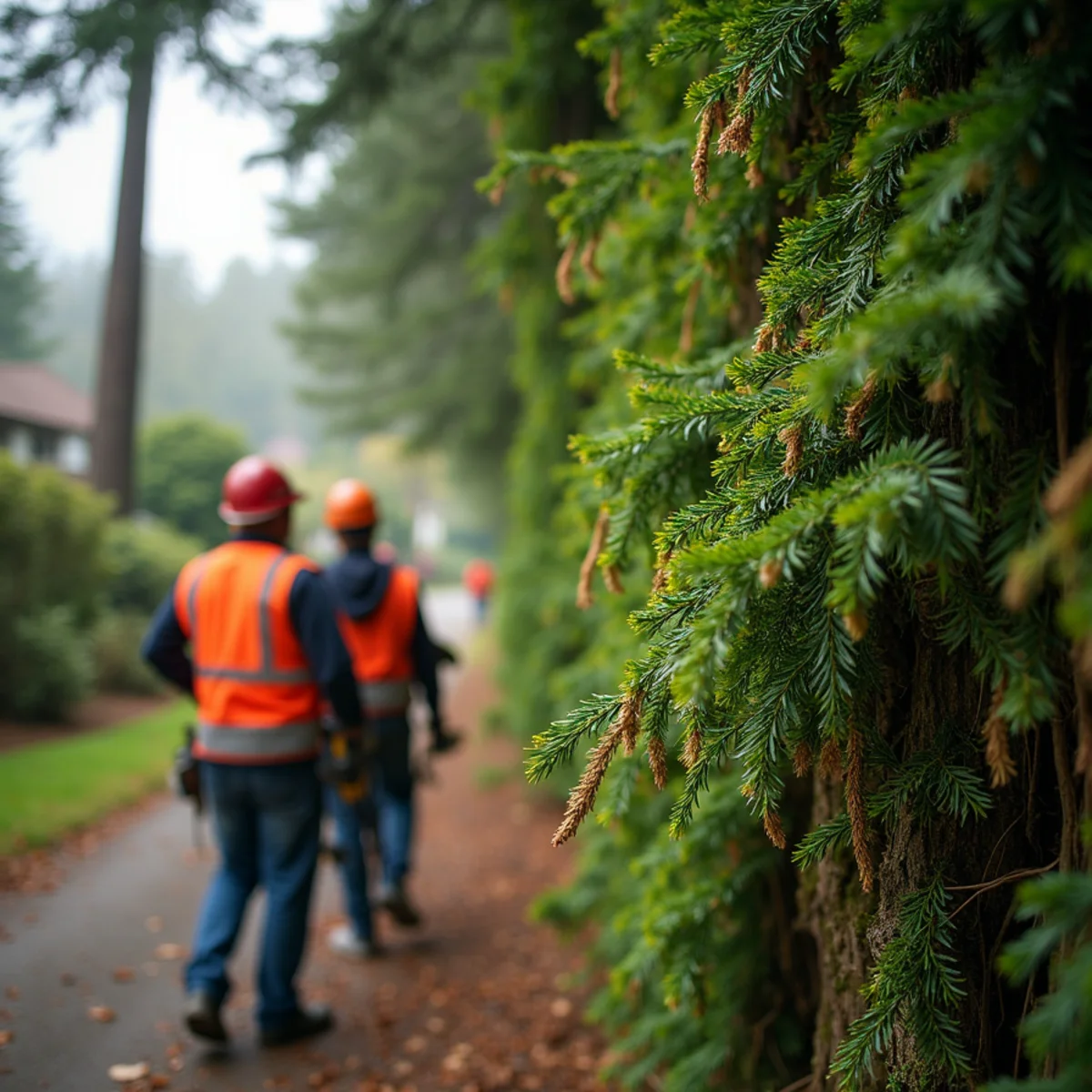
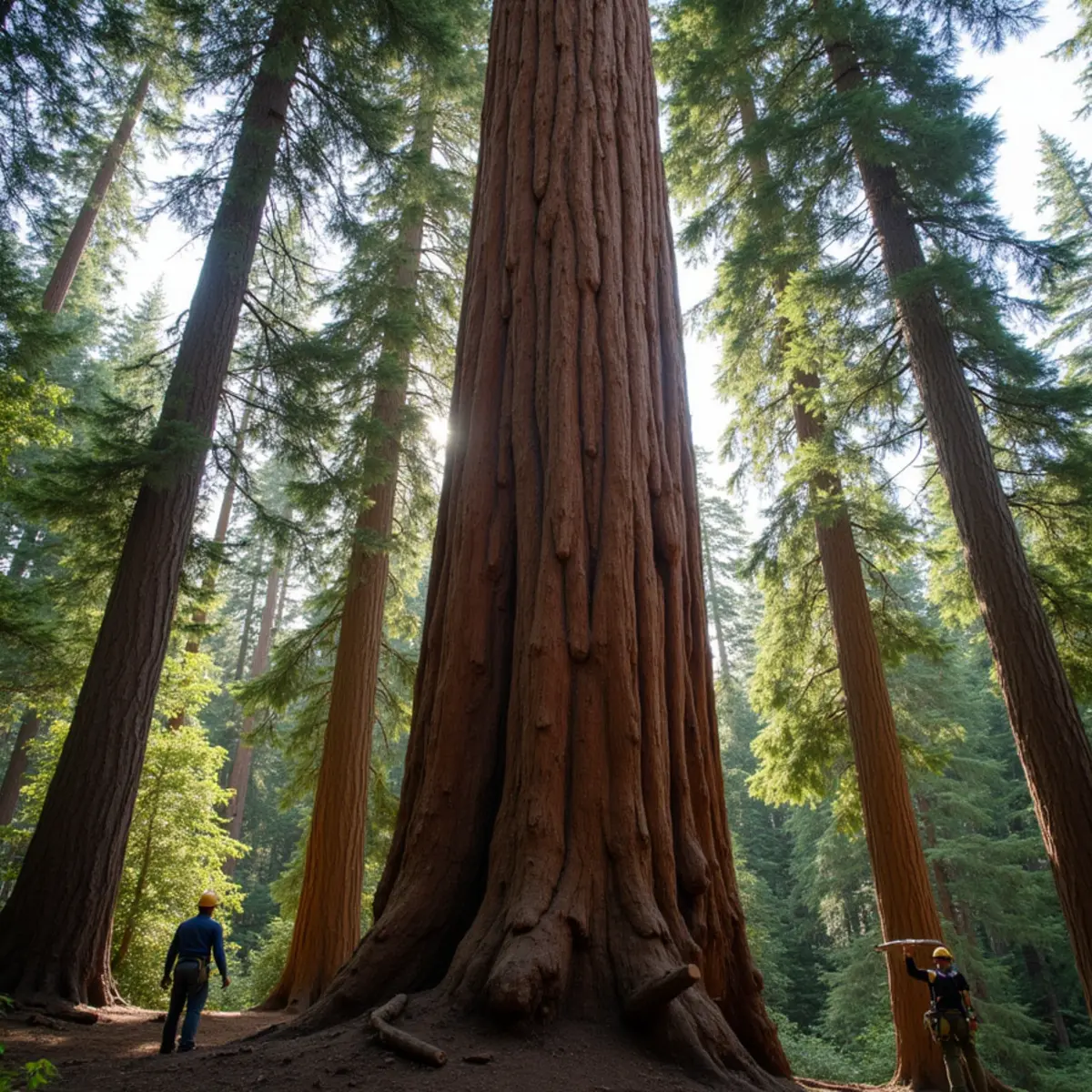
Coast redwoods (Sequoia sempervirens) are among the most magnificent living organisms on Earth. In their native coastal fog-belt canyons—such as Purisima Creek and Big Basin—mature redwoods thrive in deep, damp alluvial soils, receiving up to 50 inches of winter rain and drawing 30% to 40% of their annual moisture directly from heavy summer maritime fog drip condensing in high canopies.
However, across suburban Peninsula landscapes in Redwood City, Menlo Park, Atherton, and Palo Alto, redwoods are planted in unnatural microclimates. Growing in compacted clay soils, surrounded by asphalt driveways, and subjected to dry summer Mediterranean heat with zero coastal fog, landscape redwoods suffer chronic, debilitating drought stress during extended California dry cycles. A mature 80-foot redwood can transpire over 300 to 500 gallons of water daily during hot July afternoons; when soil capillary moisture is depleted, cellular pressure collapses rapidly.
Need Hands-On Arborist Help in Redwood City?
Call (213) 468-5153 to speak directly with our team. We provide rapid emergency dispatch and free written estimates across San Mateo County.
Recognizing Early vs Critical Symptoms of Redwood Drought Stress
Homeowners must distinguish between natural seasonal needle shedding and life-threatening drought stress:
• Normal Autumn Needle Shedding: In late autumn (September through November), redwoods naturally shed older 2-to-3-year-old interior needles along main branch scaffolding. The outer branch tips remain lush, vibrant green. • Early Drought Stress Symptoms: Interior needle browning begins prematurely in mid-summer (July–August). Foliage loses its deep emerald luster, turning dull olive-gray. Lower branches exhibit reduced annual shoot elongation. • Critical Stage Symptoms (Top Dieback): When hydraulic moisture tension exceeds biological limits, redwoods shut down water delivery to their highest extremities to protect lower vascular trunk tissues. The top 10 to 30 feet of the crown turns brown and dies, creating permanent dead timber known as 'spike tops'. Dense epicormic water sprouts erupt directly from the lower trunk bark.
Secondary Pathogens: Redwood Bark Beetles & Botryosphaeria Canker
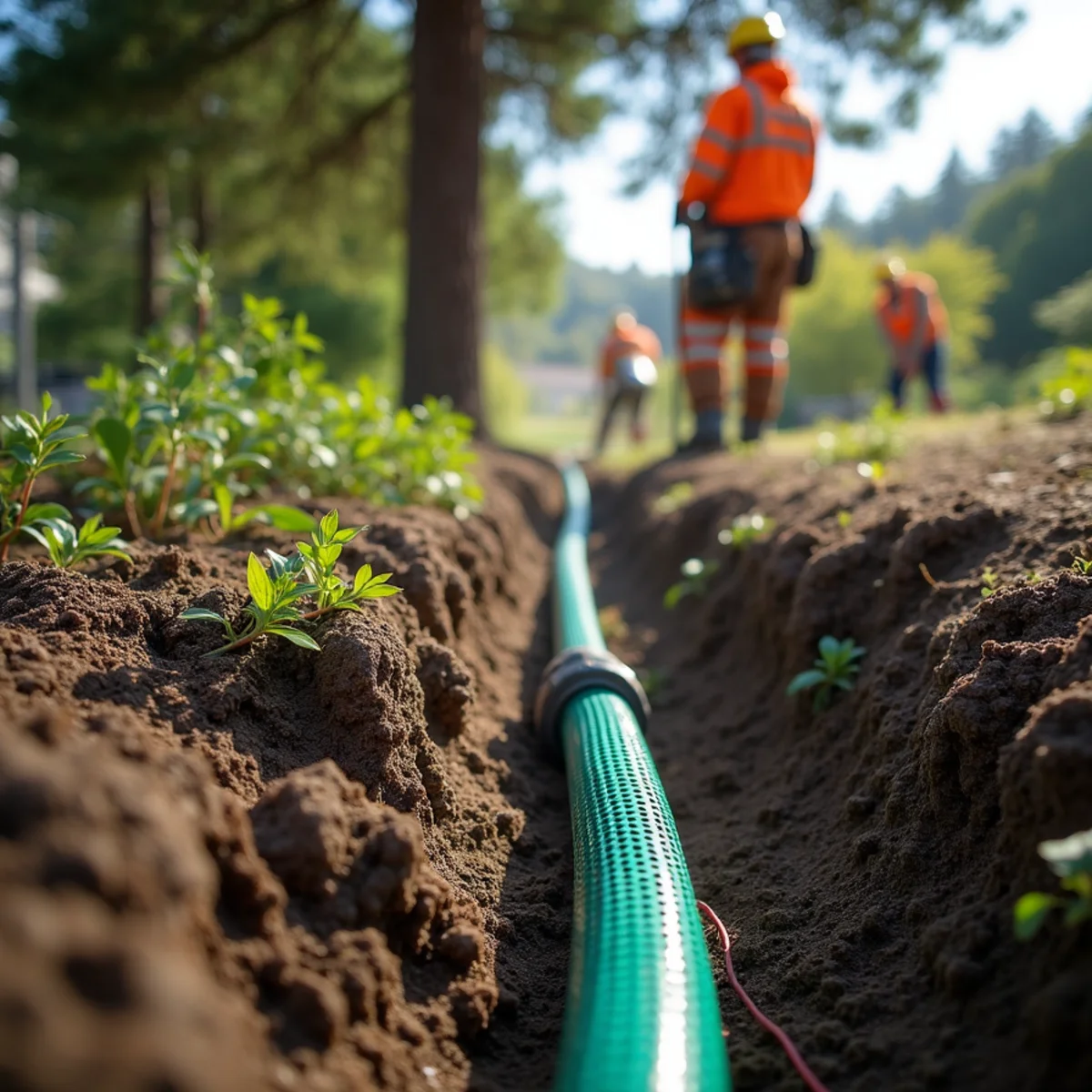
A healthy coast redwood produces vast quantities of protective tannins and sap pressure that repel insect invaders. When drought depletes cellular turgor pressure, the tree becomes vulnerable to secondary pathogens:
• Redwood Bark Beetles (Phloeosinus sequoiae): These small beetles bore into small twigs and branch unions, carving larval galleries that girdle branch collars and accelerate canopy dieback. • Botryosphaeria Branch Canker: Fungal spores enter drought-cracked bark, producing localized necrotic cankers that choke off water transport to entire lateral limbs, causing sudden branch death throughout the mid-canopy.
Proper Deep-Watering Irrigation Science for Redwoods
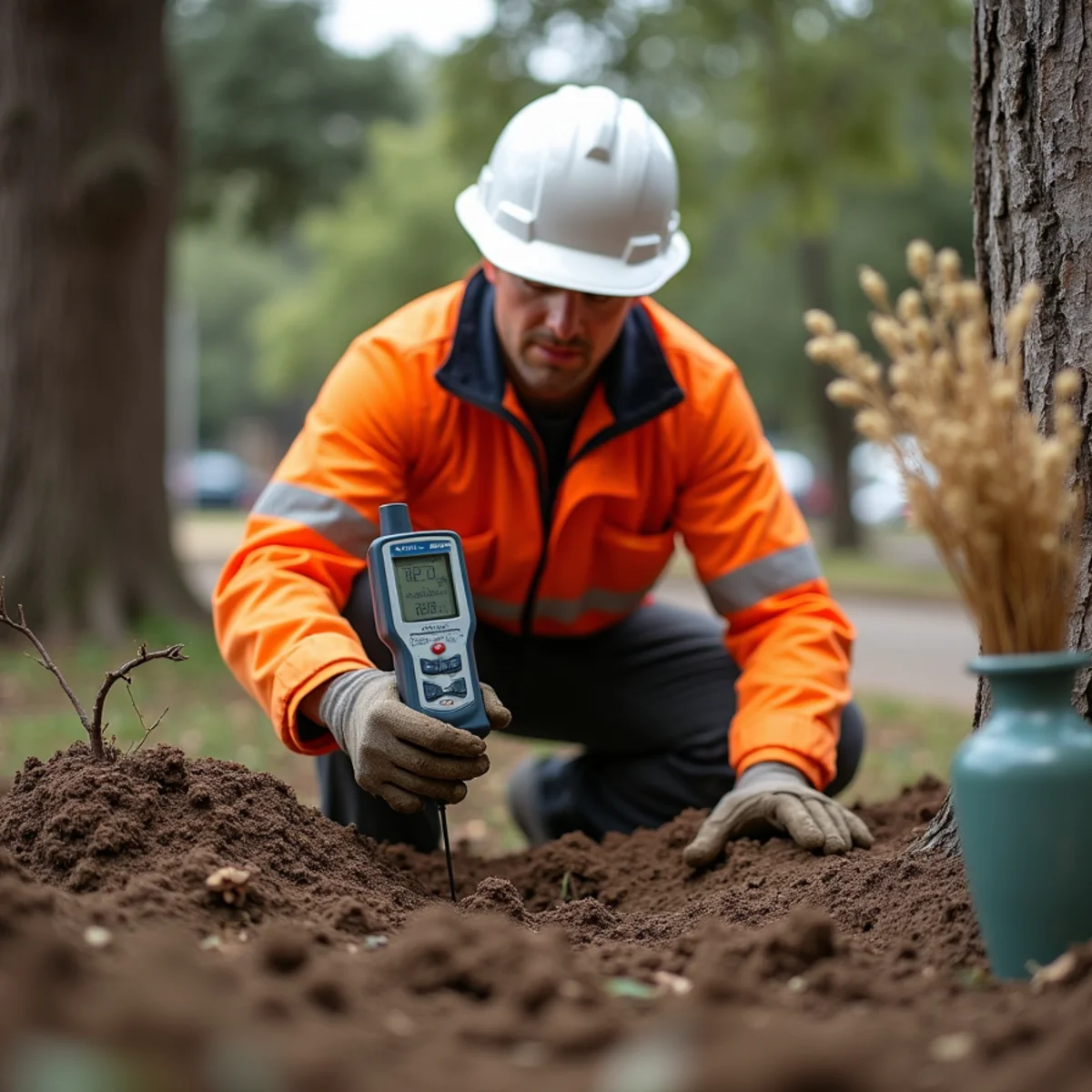
The most common homeowner mistake is relying on shallow, daily lawn sprinklers to water mature redwoods. Frequent 10-minute lawn watering wets only the top 1 to 2 inches of soil, encouraging weak, shallow surface roots while starving deep feeder roots of moisture:
• The Slow Soaker Strategy: Mature redwoods require slow, deep, low-pressure soaking. Lay a perforated soaker hose or drip line coiled in concentric rings starting halfway between the trunk and the outer canopy dripline, extending 3 to 5 feet beyond the dripline. • Deep-Drip Volume Math: A mature 60-to-80-foot redwood needs 200 to 500 gallons of water applied slowly over 6 to 10 hours once or twice monthly during dry summer and autumn months. Deep soaking penetrates 12 to 18 inches into the root zone, replenishing vital capillary water. Utilize a simple 12-inch soil moisture probe or metal rod to verify that moisture has penetrated past the upper clay crust before shutting off irrigation.
Root Zone Health: Organic Mulch & Pneumatic AirSpade Aeration
Protecting redwood root zones from thermal heat and moisture evaporation is essential for long-term vitality:
• Apply 3 to 4 Inches of Organic Arborist Mulch: Spread coarse organic wood chip mulch across the root zone out to the canopy dripline. Mulch suppresses weed competition, buffers soil temperatures by up to 15°F, and dramatically reduces evaporative moisture loss. Keep mulch 6 inches away from the trunk collar to prevent fungal crown rot. • Pneumatic AirSpade Soil Decompaction: For redwoods suffering in severely compacted suburban clay, our arborists use supersonic compressed air (AirSpade) to fracture compacted soil and blend organic compost, biochar, and ectomycorrhizal fungi without severing delicate fibrous roots, restoring biological oxygen exchange.
Pruning Rules for Drought-Stressed Redwoods
When a redwood is stressed by drought, arborists follow strict conservation pruning protocols:
Never prune healthy live green branches from a drought-stressed redwood, as foliage is essential for photosynthetic sugar production and root repair. Pruning should be restricted strictly to hazardous deadwood removal and structural dead-top dismantling. Leave epicormic shoots along the trunk in place—they provide vital cooling shade to sensitive bark until the tree recovers. Our arborists prioritize preserving photosynthetic capacity over cosmetic appearance, scheduling removals only when branches pose immediate hazards to structures.
Related Services & Coverage Areas
Related Services
Nearby Service Areas
Frequently Asked Questions
The dead wooden top will never re-sprout and should be safely dismantled by an arborist. However, lower living branches can be revitalized through deep watering, and a new lateral leader will eventually curve upward to establish a new crown.
Schedule Your Tree Assessment Today
Call (213) 468-5153 for prompt arborist inspections, permit assistance, and transparent estimates in Redwood City and the Peninsula.