Identifying the Symptoms: When Is Tree Health Care & Disease Treatment Necessary in Redwood City?
Common Signs & Warning Indicators
- Premature needle cast, scorched leaf margins, and thinning canopy foliage
- Bleeding dark sap weeping from trunk lesions, bark fissures, or cankers
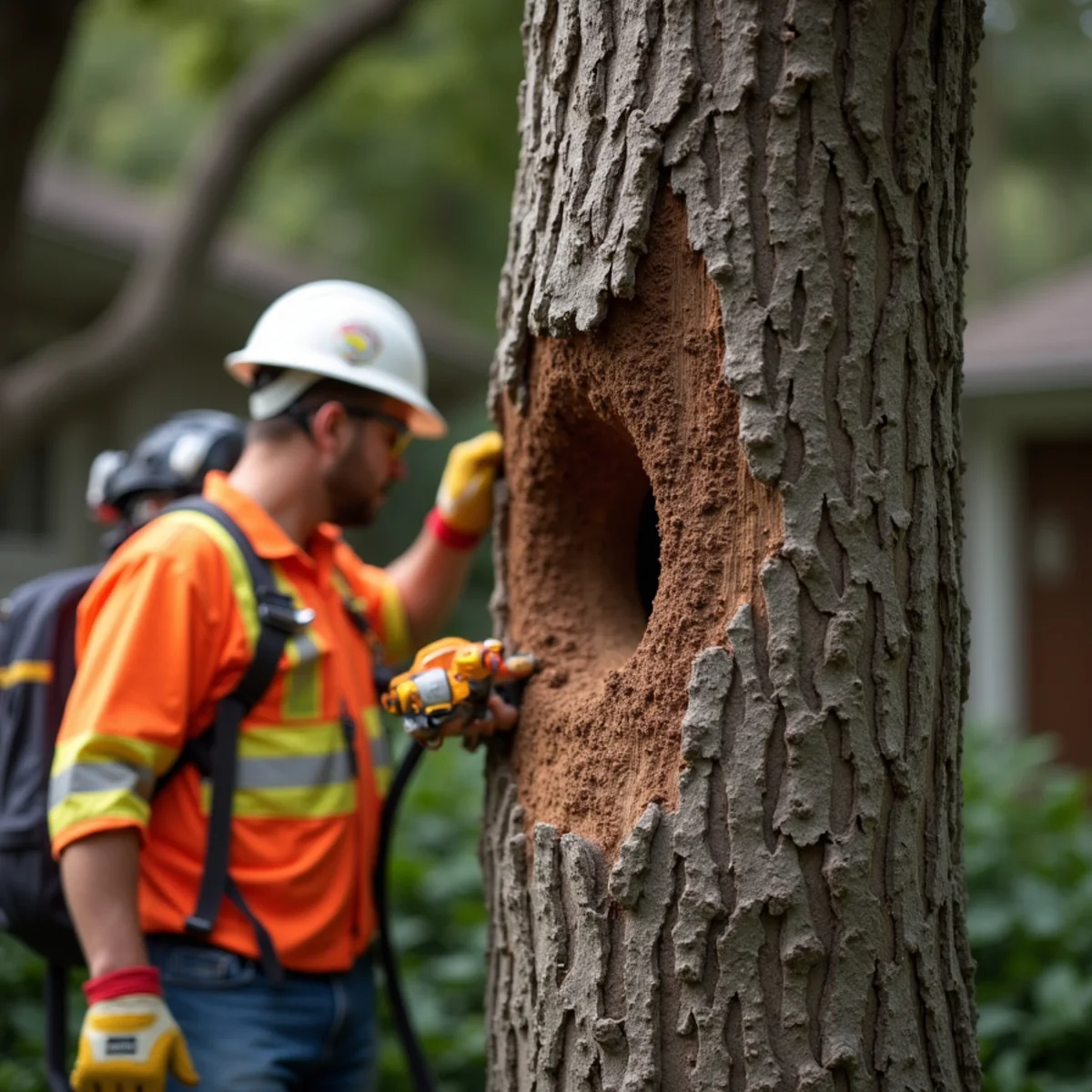
- Reddish boring dust (frass) and popcorn-shaped pitch tubes on pine trunks
- Fungal brackets, conks, or honey mushrooms fruiting at the basal root collar flare
- Dieback of upper canopy leader tips (stag-heading) accompanied by epicormic water sprouts
- Severely compacted or waterlogged clay soils suffocating subterranean feeder roots
Local Peninsula Environmental Triggers
The Peninsula's alternating climate of warm, dry summer drought and cool, humid winter marine fog creates ideal incubation conditions for virulent pathogens like Sudden Oak Death (Phytophthora ramorum), pitch canker (Fusarium circinatum), and Armillaria root rot. Furthermore, urban construction, excessive lawn irrigation near oak root collars, and native adobe clay soil compaction deprive tree roots of vital oxygen, compromising immune defenses and inviting secondary infestations of western oak bark beetles and red turpentine beetles.
Under California law and local municipal ordinances, property owners bear legal responsibility for hazardous trees that threaten adjacent roadways, sidewalks, power lines, or neighboring structures. Early intervention by an ISA Certified Arborist prevents emergency failures during severe coastal weather.
Request an On-Site Assessment for Tree Health Care & Disease Treatment
Speak with our local Redwood City dispatch team at (213) 468-5153 to discuss your tree situation and schedule an arborist evaluation.
Our Methodological Standards for Tree Health Care & Disease Treatment
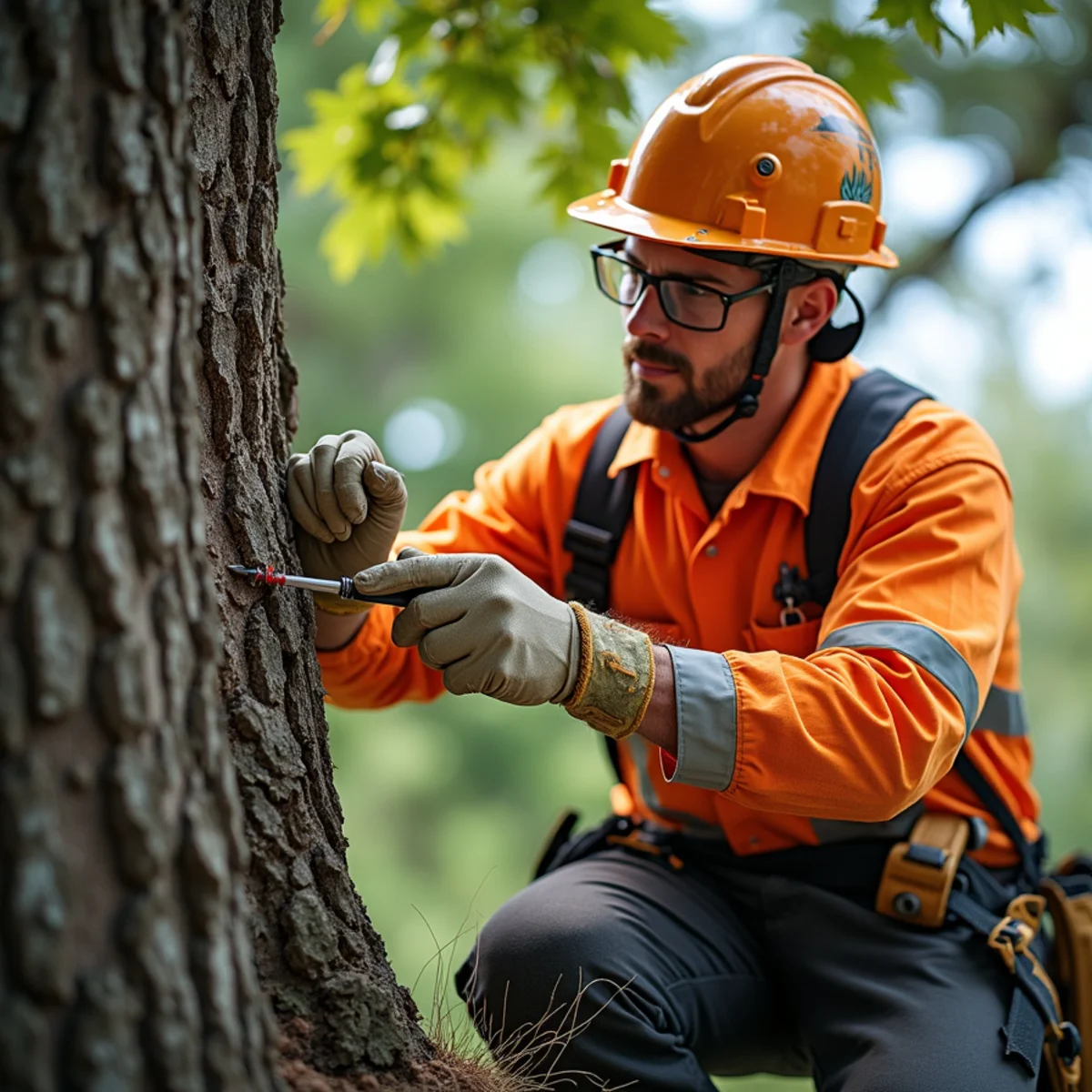
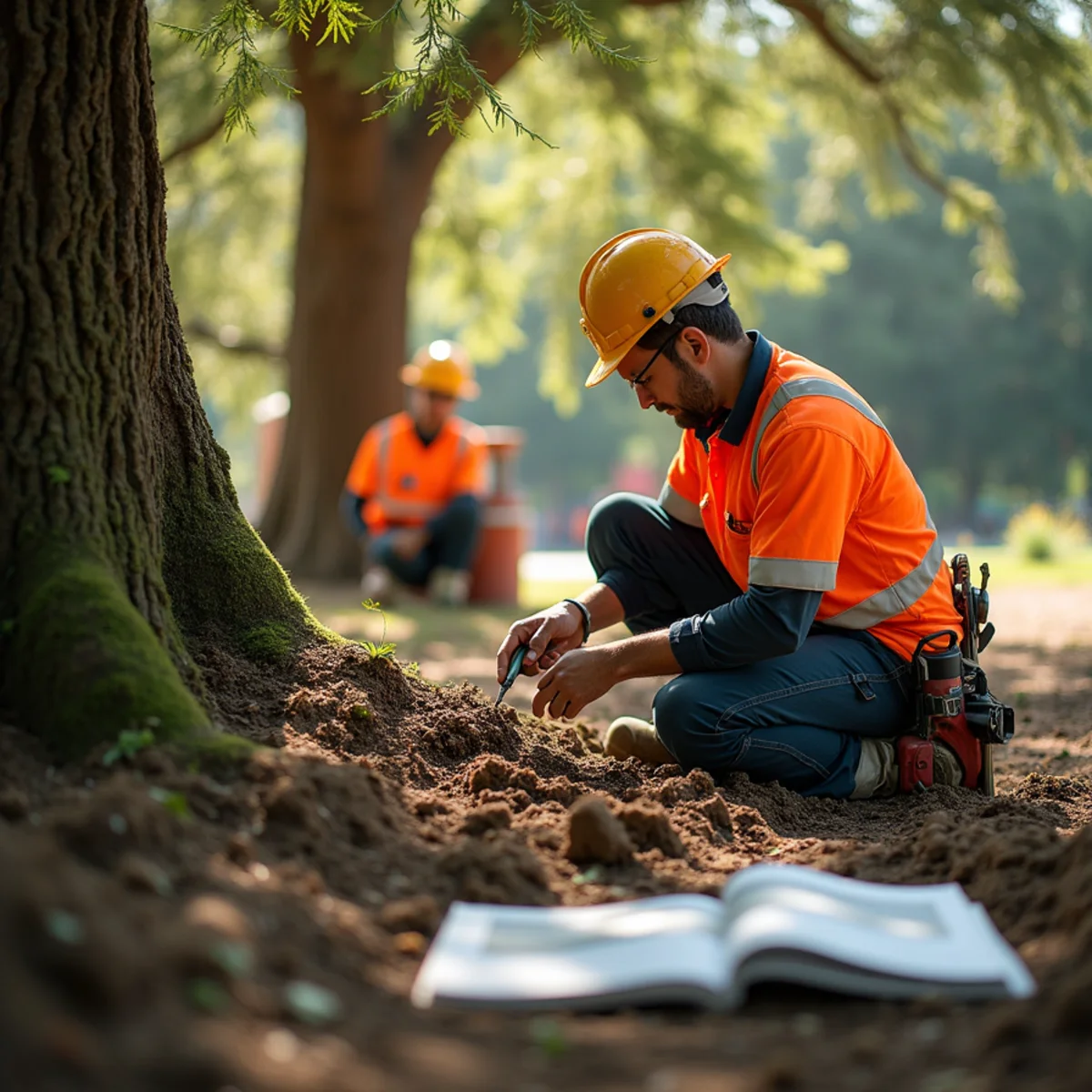
Our ISA Certified Arborists perform comprehensive diagnostic evaluations. We conduct cambium layer tissue scrapes to inspect vascular staining, deploy soil moisture meters to detect over-saturation or chronic drought, evaluate root collar depth using supersonic pneumatic air-spades, collect foliar samples for plant pathology laboratory culturing, and examine trunk bark for beetle boring holes and pitch tube formations.
Targeted Trunk Vascular Micro-Injection
Utilizing closed-system pressurized micro-injection capsules to deliver systemic fungicides, antibiotics, or bio-stimulants directly into the tree's active xylem sapwood without environmental overspray or chemical drift.
Air-Spade Root Collar Excavation & Decompaction
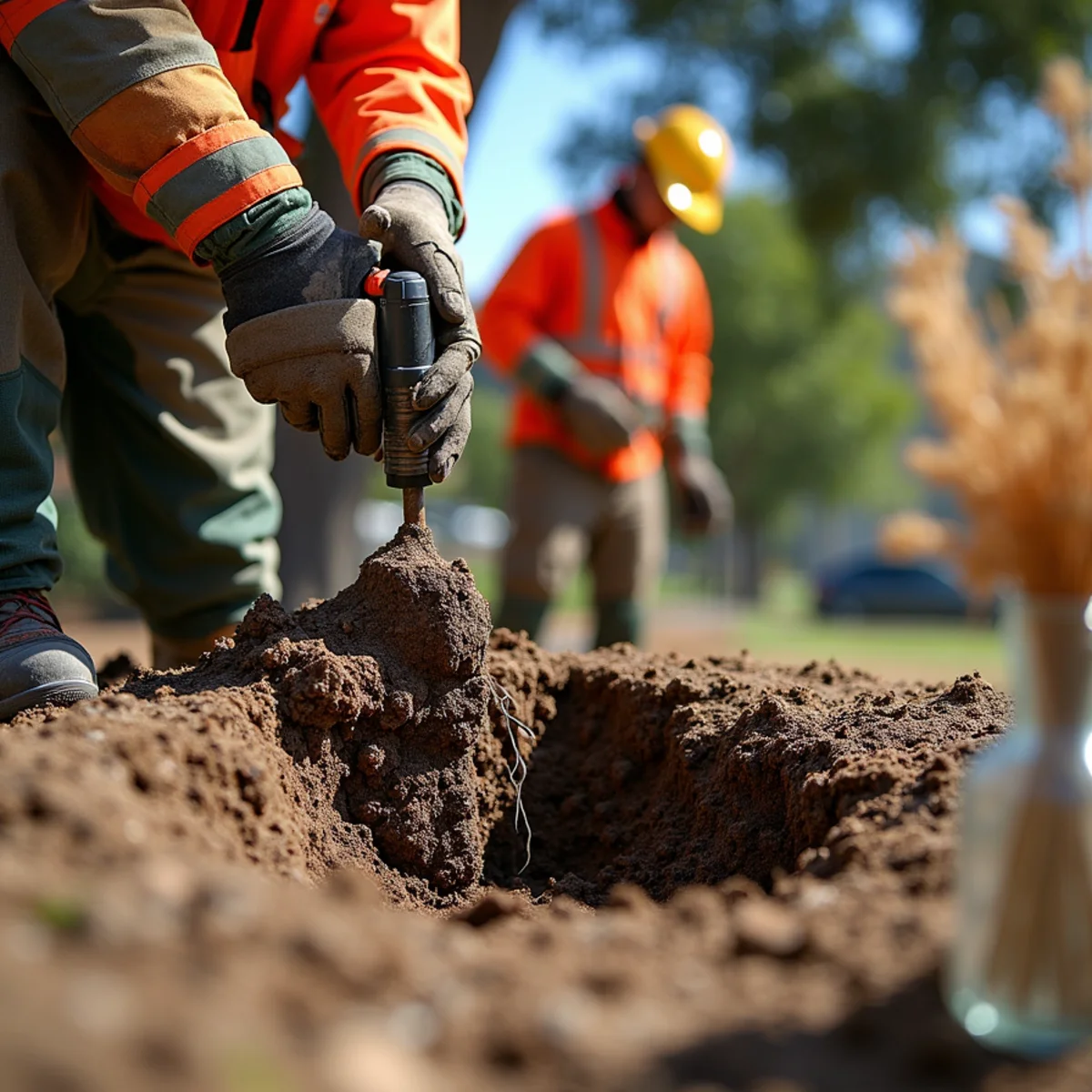
Deploying supersonic compressed air tools to safely blow away heavy compacted clay soil from the root flare without damaging delicate bark or fine feeder roots, exposing buried root collars to oxygen.
Deep-Root Organic Mycorrhizal Inoculation
Injecting beneficial ectomycorrhizal fungi, humic acids, and kelp meal under low hydraulic pressure 6 to 10 inches into the root zone to restore soil biology and stimulate feeder root growth.
Therapeutic Sanitation Pruning
Excising diseased, cankered, or beetle-infested branches using sterilized cutting equipment (disinfected between cuts with 70% isopropyl alcohol) to halt fungal spore transmission throughout the canopy.
Step-by-Step Execution: From Inspection to Final Cleanup
On-Site Diagnostic Examination
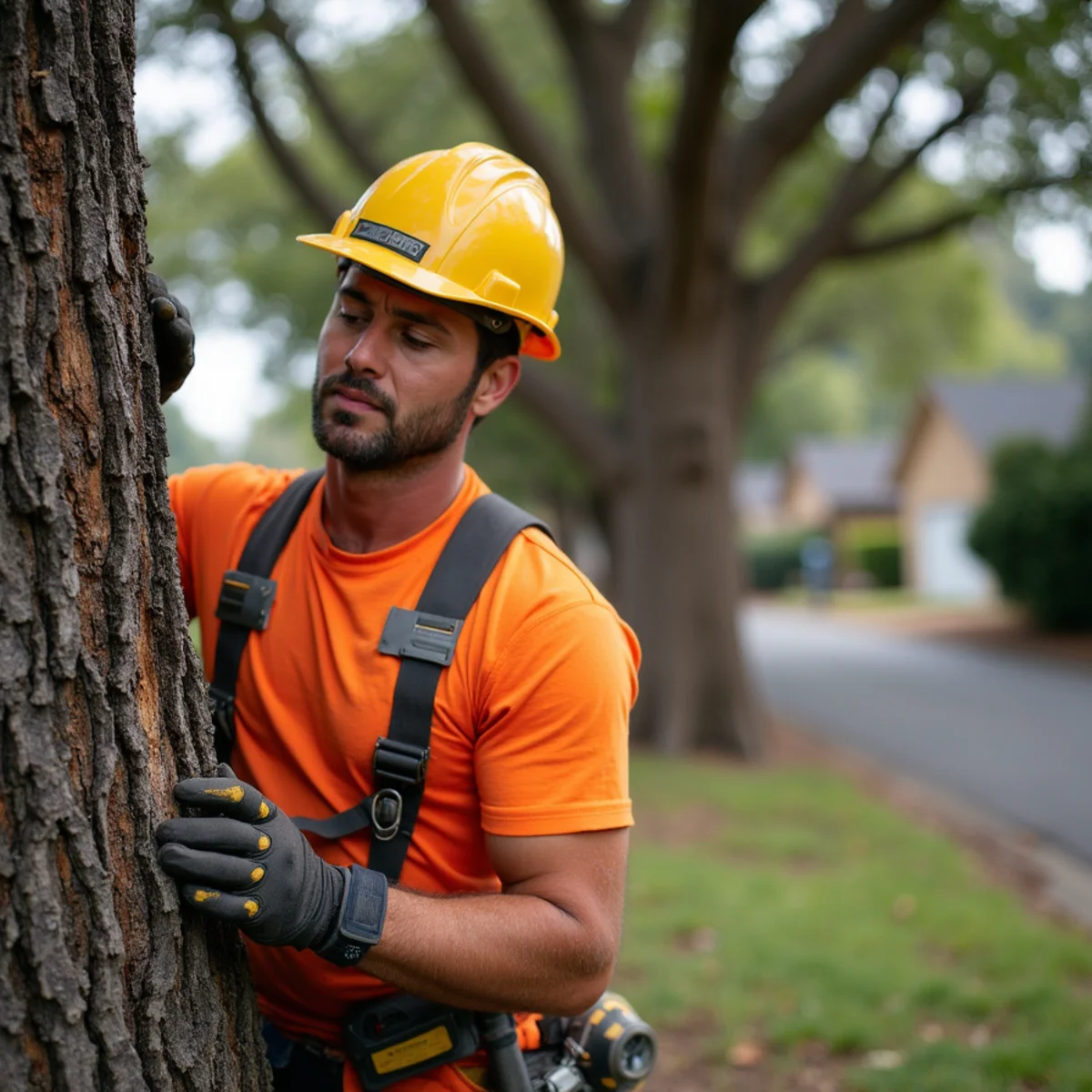
Our certified arborist inspects the tree from root collar to upper crown, testing soil moisture and identifying active insect pests or fungal fruiting conks.
Pathology Culturing & Lab Testing
When symptoms indicate complex bacterial or fungal decline, tissue and soil samples are analyzed to pinpoint the exact pathogen strain before prescribing chemicals.
Customized Treatment Protocol
We establish a precise treatment plan specifying injection dosages calibrated to tree diameter (DBH), soil amendment requirements, and irrigation adjustments.
Direct Vascular or Soil Application
Technicians administer targeted trunk injections or deep-root soil injections using professional arboricultural application equipment.
Cultural & Irrigation Correction
We guide homeowners on relocating turf sprinklers away from native oak root flares and establishing organic wood chip mulch rings to conserve moisture.
Seasonal Health Monitoring & Follow-Up
Our team re-evaluates canopy density, new bud formation, and vascular healing at 6 and 12-month intervals to confirm treatment efficacy.
How Much Does Tree Service Cost in Redwood City?
In accordance with California consumer protection standards, we do not quote arbitrary flat rates. Every estimate is custom-engineered based on the physical realities of your property:
On-site pathology assessment, cambium scraping, soil moisture profiling, and written treatment recommendations by an ISA Certified Arborist.
Delivers targeted systemic fungicides (e.g., Agri-Fos for Phytophthora) or insecticides directly into tree vascular tissue; pricing scales with DBH.
Pneumatic excavation of compacted clay soils burying root flare, removal of girdling roots, and installation of aerated organic mulch bed.
Subsurface hydraulic injection of beneficial microbes, organic kelp, and humates across the entire dripline canopy footprint.
Local Species & Redwood City Neighborhood Risk Profiles
Every Redwood City neighborhood presents distinct geological, architectural, and access dynamics that dictate equipment staging and rigging methods:
Sudden Oak Death & Native Woodland Fungal Threats
Native coast live oaks and California bay laurels in Emerald Hills live in dense mixed canopies where winter fog spreads Phytophthora ramorum spores. Preventative phosphonate trunk sprays and bay laurel clearance are essential.
Saline Soil Stress, High Water Table & Wind Desiccation
Canopies near bay sloughs struggle with shallow root zones and saline groundwater intrusion. Health care focuses on micronutrient soil flushes and mycorrhizal inoculants to counter salt-induced chlorosis.
Severe Adobe Clay Compaction on Hillside Terraces
Expansive clay soils around hillside foundations severely restrict oxygen exchange to roots. Air-spade pneumatic decompaction relieves root suffocation without severing structural roots.
Lawn Sprinkler Over-Saturation on Mature Native Oaks
Mature oaks in established post-war suburban yards suffer from lawn sprinkler heads soaking their root flares, creating ideal conditions for fatal Phytophthora root rot. We relocate irrigation and treat root flares.
Key Tree Species Considerations in Redwood City
Coast Live Oak (Quercus agrifolia)
Vulnerable to Sudden Oak Death (Phytophthora ramorum) and Armillaria root rot. Summer lawn irrigation within the dripline is fatal. Preventative Agri-Fos injections protect high-value heritage oaks.
Monterey Pine (Pinus radiata)
High susceptibility to pitch canker and red turpentine bark beetles. Trees under drought stress emit terpene volatiles that attract beetle swarms. Systemic insecticide injections protect vulnerable pines.
Coast Redwood (Sequoia sempervirens)
High water demand makes redwoods sensitive to Peninsula summer drought. Deep-root watering protocols and mycorrhizal soil treatments prevent top-dieback and needle browning.
Ornamental Plum & Fruit Trees (Prunus spp.)
Subject to black knot, shot hole fungus, and aphid infestations. Winter dormant oil sprays and spring sanitation pruning keep canopies productive and healthy.
Municipal Permit Compliance & Contractor Credentials
In California, commercial pesticide and fungicide applications to landscape trees must comply with strict California Department of Pesticide Regulation (DPR) and San Mateo County Agricultural Commissioner standards. Application equipment must prevent chemical drift into storm drains, waterways, and neighboring properties. All plant health care treatments are administered by licensed, trained professionals adhering to IPM (Integrated Pest Management) standards.
Questions to Verify Before Hiring Any California Tree Service Contractor:
- Verify ISA Certified Arborist Credential (#WE-12849A) with Documented Plant Pathology Training
- Confirm California Department of Pesticide Regulation (DPR) Qualified Applicator License (QAL)
- Ensure Use of Closed-System Micro-Injection Systems to Prevent Chemical Drift or Runoff
- Verify Possession of Commercial Air-Spade Equipment for Non-Destructive Root Flare Excavation
- Require Transparent Scientific Diagnosis with Laboratory Pathology Options for Complex Declines
Frequently Asked Questions About Tree Health Care & Disease Treatment
Drought stress typically presents as uniform leaf wilting, dull foliage, or gradual yellowing across the entire canopy. By contrast, infectious tree diseases or beetle attacks cause localized branch dieback, bleeding dark sap lesions, sawdust frass in bark crevices, or fungal fruiting brackets on the trunk flare.
Related Tree Services, Local Guides & Service Areas
Helpful Tree Care Articles
Primary Service Locations
Get a Free Estimate for Tree Health Care & Disease Treatment
Call (213) 468-5153 to speak directly with our arborist team. We answer calls around the clock and provide fast on-site evaluations across Redwood City and San Mateo County.