A Neighbor's Tree Fell on My Property: Who Pays in California?
A neighbor tree fell on your property: who pays under California law? Responsibility, negligence proof and insurance claims. Call (213) 468-5153.
California Tree Law: Where It Lands Dictates Initial Responsibility
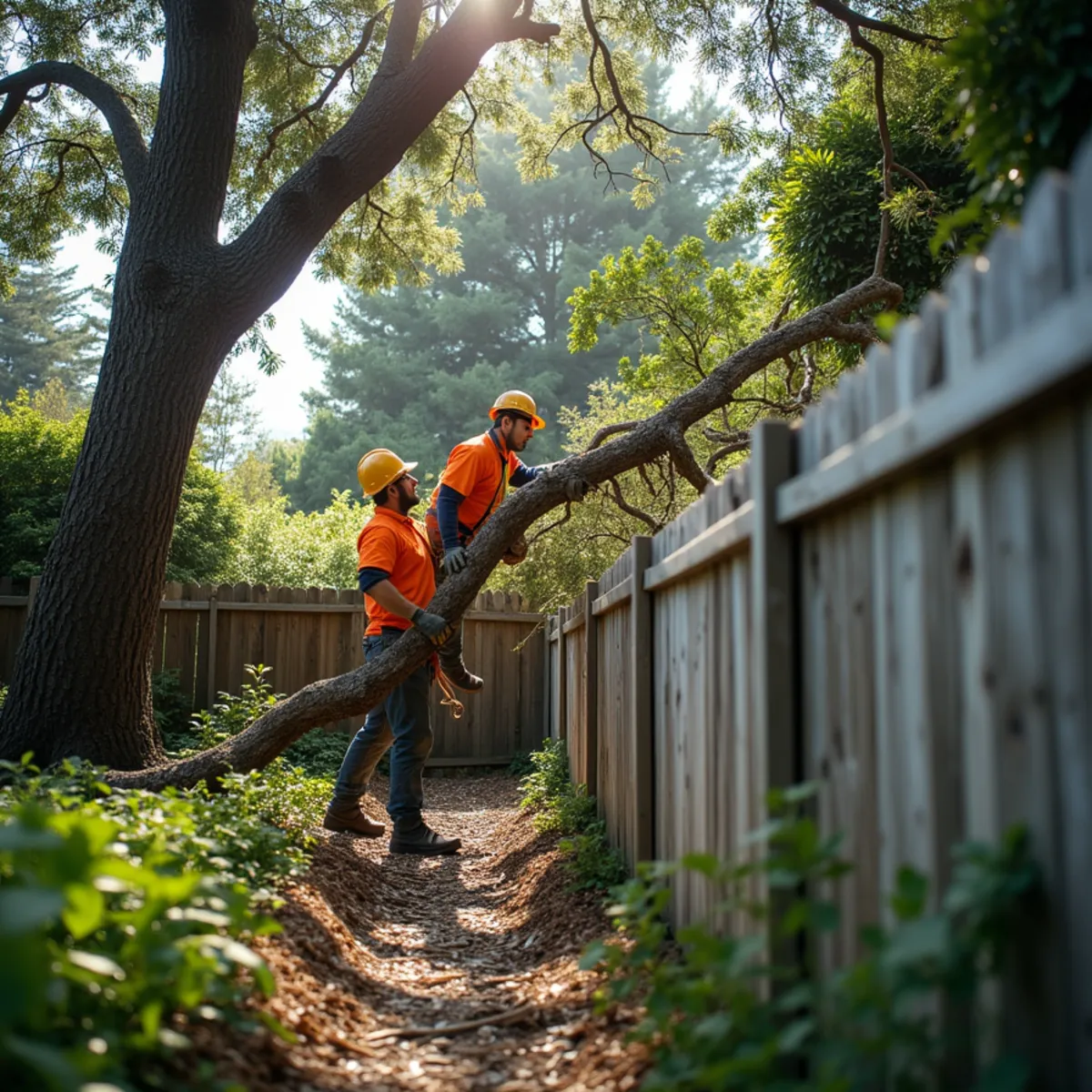
When a neighbor's tree topples over the fence line and lands on your Redwood City property, the situation is emotionally stressful and legally nuanced. Most homeowners assume that because the tree trunk was rooted in the neighbor's soil, the neighbor is automatically responsible for all damage and cleanup costs. Under California property and insurance law, this is rarely true.
The baseline legal rule in California is that unexpected tree failures caused by natural weather events—such as winter atmospheric rivers, sudden wind gusts, or saturated soils—are classified as 'Acts of God'. In these circumstances, the owner of the property where the damage occurred must file a claim with their own homeowners insurance company. If your neighbor's healthy oak tree blows over onto your roof, your insurance policy covers the roof damage and debris removal, minus your deductible.
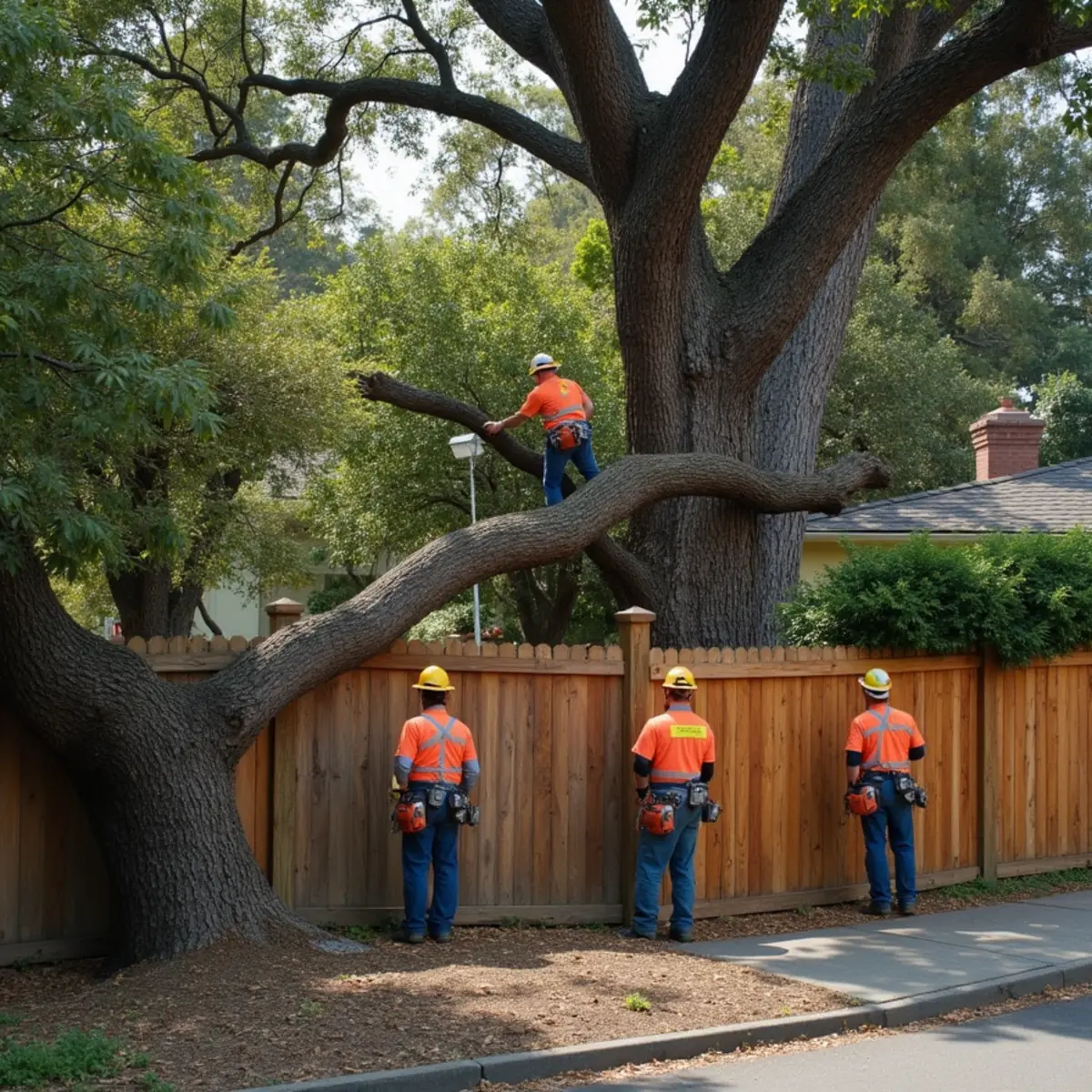
Need Hands-On Arborist Help in Redwood City?
Call (213) 468-5153 to speak directly with our team. We provide rapid emergency dispatch and free written estimates across San Mateo County.
The Crucial Exception: Proving Neighbor Negligence
The crucial legal exception to the 'Act of God' rule is property owner negligence under California Civil Code § 1714. If the neighbor knew—or reasonably should have known—that their tree was dead, diseased, structurally compromised, or leaning precariously toward your home, they have a legal duty of care to mitigate the hazard.
If the tree had severe trunk decay, visible fungal fruiting bodies, extensive crown dieback, or was previously flagged as hazardous by an arborist, the neighbor's failure to remove or prune it constitutes legal negligence. In this scenario, your insurance company will pay your claim initially, but will then pursue 'subrogation' against your neighbor's insurance company to recover all repair costs and reimburse your deductible.
The Certified Mail Strategy: Establishing Written Notice
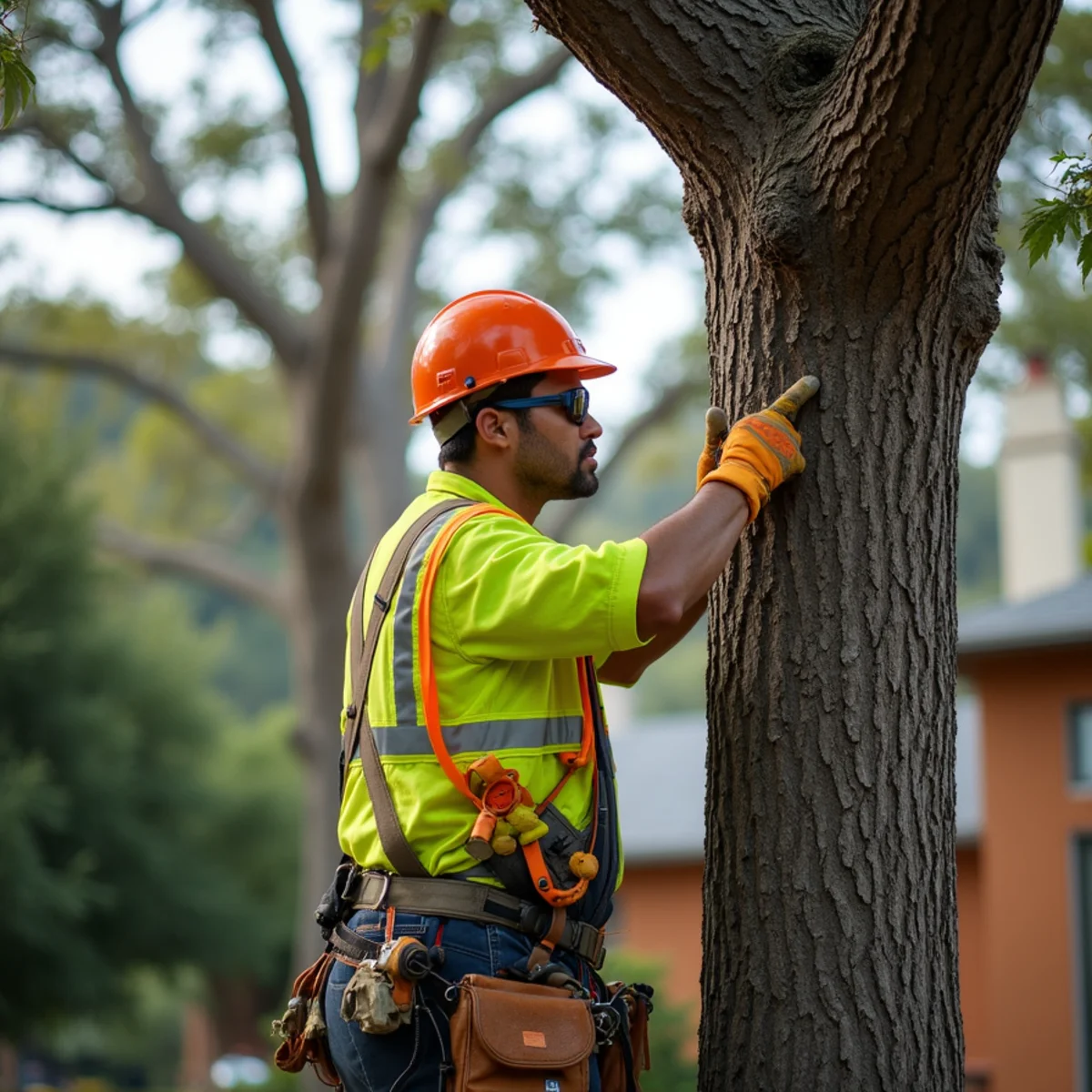
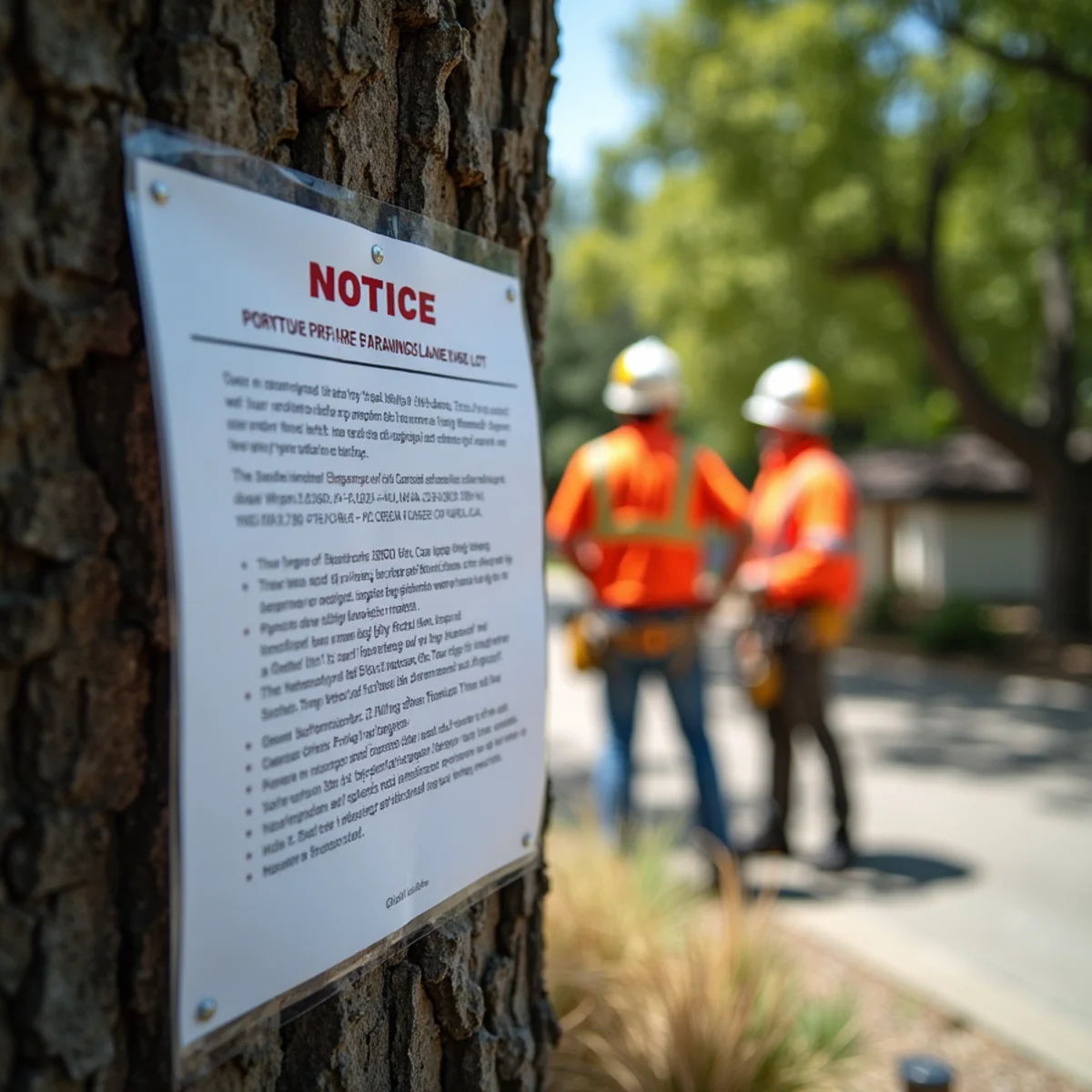
The single most effective way to protect your property and establish neighbor liability in California is creating a formal paper trail before disaster strikes. If you observe a hazardous tree on an adjacent property that threatens your home, take these proactive steps:
1. Commission an ISA Arborist Evaluation: Hire an ISA Certified Arborist to inspect the tree from your property line and prepare a formal Tree Risk Assessment documenting visible structural defects. 2. Send a Polite, Certified Letter: Mail a polite letter along with a copy of the arborist report to your neighbor via Certified Mail with Return Receipt Requested. Express your concern for both families' safety and formally request that they have the tree inspected and mitigated by a licensed tree service. 3. Preserve the Legal Record: Once the neighbor receives and signs for the certified letter, they are on official legal notice. If the tree subsequently fails, they cannot claim the incident was an unforeseen 'Act of God', making their insurer 100% liable for all damages.
California Rules on Pruning Overhanging Limbs & Roots
Under long-standing California case law (originating in Bonde v. Bishop and refined in Booska v. Patel), a property owner has the legal right to trim overhanging branches and encroaching tree roots back to the shared property boundary line at their own expense.
However, this self-help pruning right is strictly limited by the duty of reasonable care. You cannot cross the property boundary without permission, and you cannot prune branches or roots so aggressively that you destabilize, structurally undermine, or kill the tree. If your trimming causes the neighbor's tree to die or fall, you can be held liable under California Civil Code § 3346 for triple the appraised value of the tree. Always hire an ISA Certified Arborist to perform directional clearance pruning.
Who Pays for Timber on Each Side of the Property Line?
In cases where a fallen tree causes no structural damage to buildings but litters both yards with massive logs and branches, responsibility is divided strictly by the property boundary line:
• Your Property Side: You are legally responsible for removing and disposing of the timber and debris that landed on your parcel. • Neighbor's Property Side: The neighbor is responsible for removing the stump, trunk, and branches remaining on their parcel. • Splitting the Costs with a Single Crew: The most practical and economical solution is for both neighbors to collaborate and hire a single licensed tree service. Contracting our crew to clear both properties simultaneously cuts mobilization fees, equipment setup expenses, and wood-chipping costs nearly in half for both households.
Neighbor Mediation & Dispute Resolution Strategies
Boundary disputes over fallen trees can quickly damage neighborhood relationships if handled with anger or immediate threats of litigation. We encourage property owners to approach neighbors with an open, solution-oriented mindset:
Bring an objective third-party expert into the discussion. An ISA Certified Arborist provides neutral, fact-based evaluations of tree health, wood failure mechanisms, and removal costs that take personal emotions out of the equation. We regularly conduct joint on-site walkthroughs with both neighbors present, providing clear, itemized written proposals that outline equitable cost-sharing options.
Related Services & Coverage Areas
Related Services
Nearby Service Areas
Frequently Asked Questions
Yes. If you can prove the neighbor was negligent because the tree was visibly diseased or previously flagged in writing, you can file a claim against their liability policy or pursue your deductible in California Small Claims Court.
Schedule Your Tree Assessment Today
Call (213) 468-5153 for prompt arborist inspections, permit assistance, and transparent estimates in Redwood City and the Peninsula.