
Pre-Winter Tree Safety Checklist for Bay Area Homeowners
Pre-winter tree inspection before winter storms on the Peninsula. Check root stability, overhanging roof limbs and heavy deadwood. Call (213) 468-5153.
Why Autumn Is the Critical Inspection Window
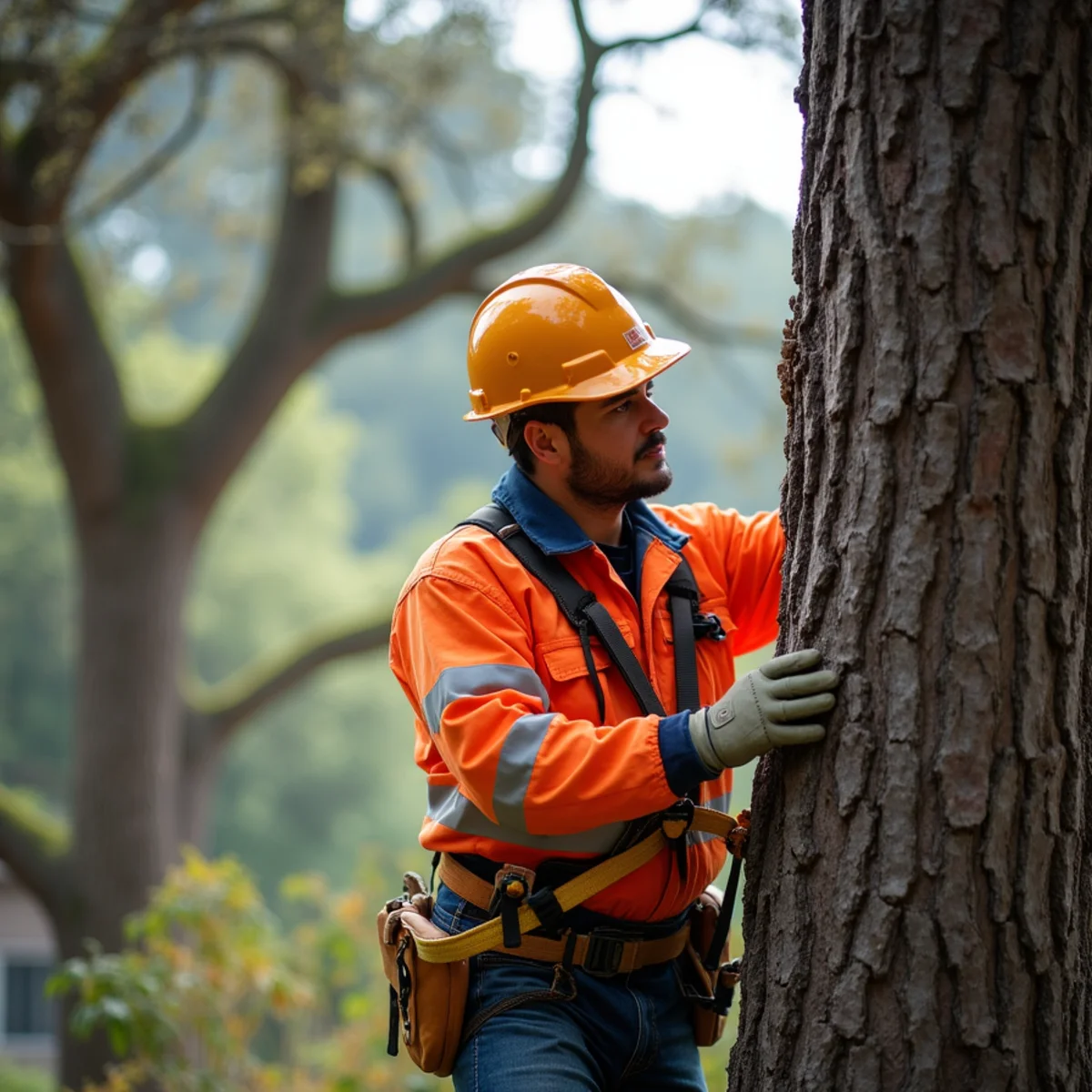
For San Francisco Peninsula homeowners, the autumn months between September and November represent the most critical window for tree risk mitigation. The dry Mediterranean summer has concluded, but the powerful winter atmospheric river storms and gale-force coastal winds have not yet arrived. Soils are still firm and stable, allowing heavy bucket trucks, mobile cranes, and chippers to access residential yards without tearing up sod or compacting wet root zones.
Conducting a structured pre-winter tree safety assessment allows property owners to identify hidden structural defects, eliminate hazardous deadwood, reduce wind sail resistance, and clear rooflines before heavy rains saturate clay soils and trigger catastrophic tree failures.
Need Hands-On Arborist Help in Redwood City?
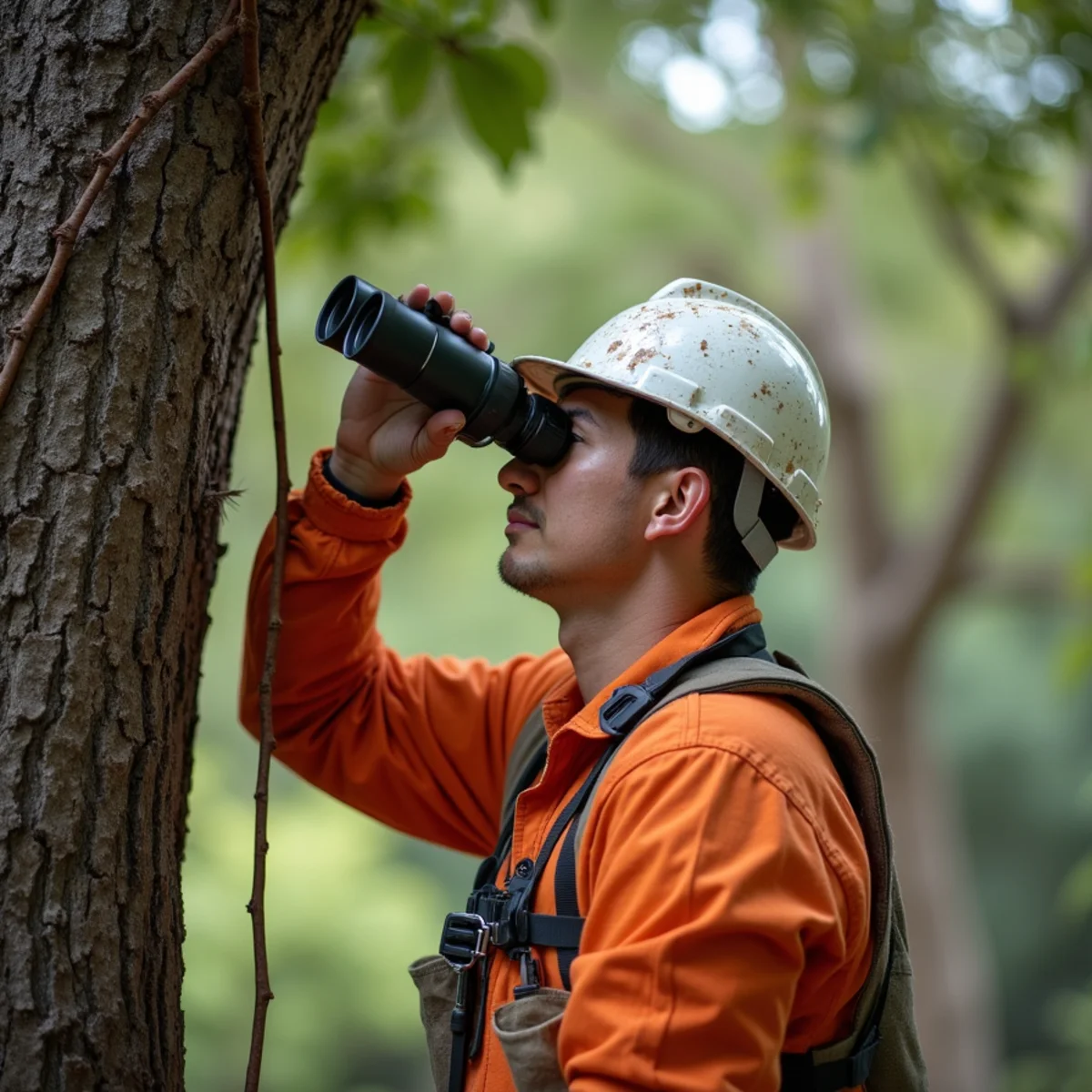
Call (213) 468-5153 to speak directly with our team. We provide rapid emergency dispatch and free written estimates across San Mateo County.
Checklist Item 1: Roofline & Structural Clearance
Inspect all tree canopies looming over your residence, detached garage, or solar panel installation:
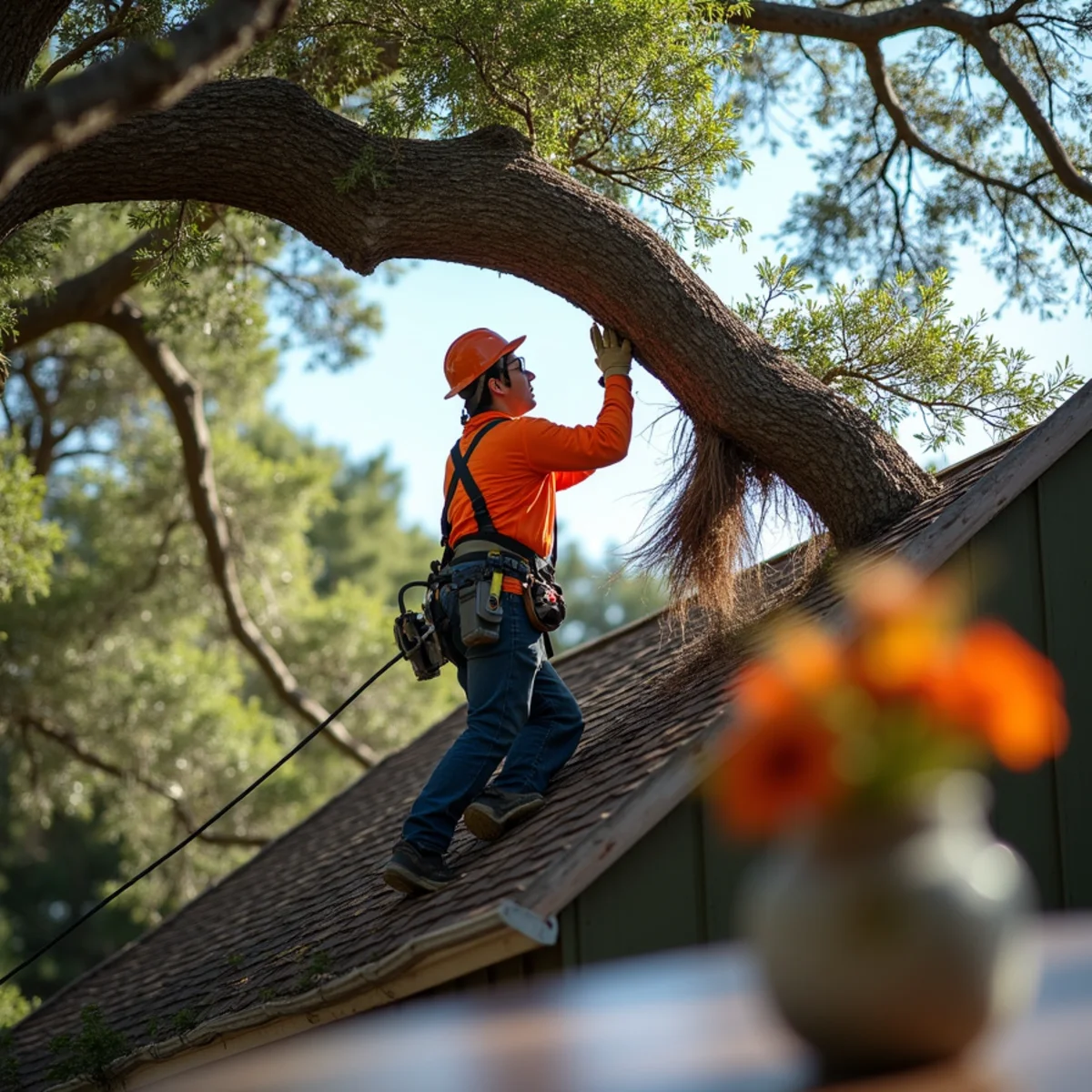
• Minimum 10-Foot Roof Clearance: Branches touching or overhanging within 10 feet of your roofline pose severe storm hazards. High winds whip heavy limbs against roof shingles, dislodging tiles, cracking gutters, and puncturing roof sheathing. • Gutter Clog & Drainage Prevention: Overhanging pine, redwood, and eucalyptus trees drop needle litter that clogs gutters and downspouts. Backed-up storm water overflows behind fascia boards into exterior wall cavities. • Chimney Clearance: Cal Fire and local municipal codes require a minimum 10-foot radial clearance between tree branches and chimney flues or stovepipes.
Checklist Item 2: Large Deadwood Elimination
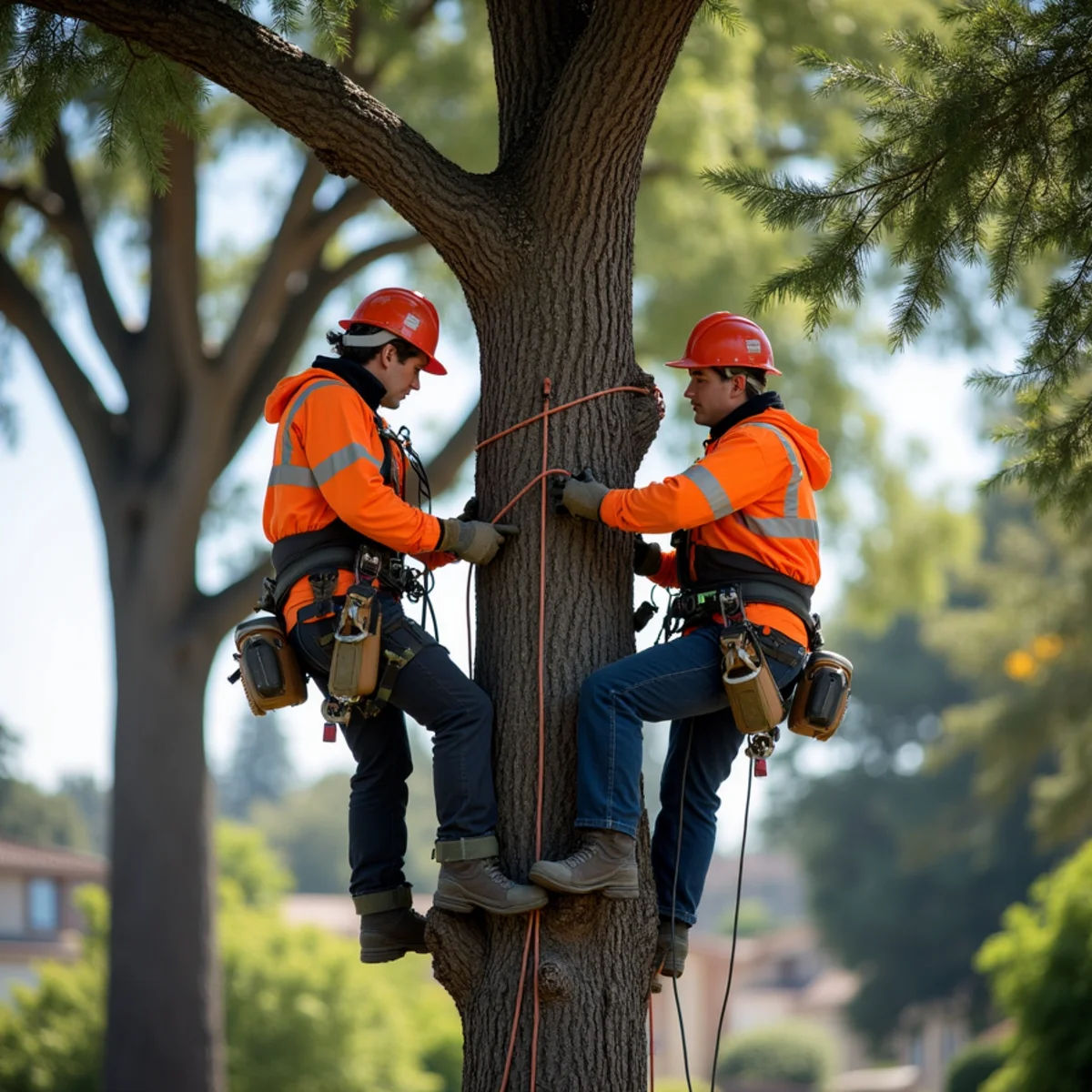
Deadwood is the number one cause of property damage during early winter windstorms:
• Identifying Brittle Deadwood: Look for large branches measuring 2 inches or greater in diameter that lack foliage, have peeling bark, or appear pale and weathered. Unlike living green branches that flex and bend during strong winds, desiccated deadwood is brittle and snaps cleanly under sudden wind gusts. • High-Target Fall Zones: Prioritize the removal of dead branches positioned directly over bedrooms, driveways, children's play areas, patios, and pedestrian walkways.
Checklist Item 3: Overhead Electrical Service Drops
Peninsula winter storm power outages are almost exclusively triggered by tree limb failures along utility corridors:
• Inspecting Residential Service Drops: Check the triplex wire running from the street utility pole to your home's roof weatherhead. Ensure tree branches are not resting on, rubbing against, or weaving through the service drop. • High-Voltage Line Verification: If tree branches are encroaching within 4 to 10 feet of high-voltage distribution lines along the street, do not attempt to trim them yourself. Call PG&E at 1-800-743-5000 for utility pruning, or hire our certified tree crew to coordinate service-drop clearances.
Checklist Item 4: Root Collar & Soil Slope Assessment
Tree stability begins beneath the soil surface. Inspect the root flare and ground surrounding mature trees:
• Checking for Fungal Conks: Look for shelf mushrooms, conks, or clusters of honey mushrooms (Armillaria) emerging from the root collar or lower trunk flare. These indicate active internal root rot that compromises structural stability when soil becomes saturated. • Hillside Erosion & Drainage Runoff: On sloped parcels across Emerald Lake Hills, Belmont, and San Carlos, inspect retaining walls and check whether downspouts or sump pumps are discharging directly onto mature tree root plates. Concentrated water discharge accelerates soil saturation and root heave.
Checklist Item 5: Professional ISA Arborist Audit & Dynamic Cabling
While homeowners can identify obvious visual hazards, many structural timber defects—such as internal heartwood hollows, included bark seams, and invisible root rot—require professional diagnostic tools:
Schedule a comprehensive Level 2 Tree Risk Assessment with an ISA Certified Arborist before winter storm season. For high-value heritage trees with co-dominant stems, our arborists inspect or install non-invasive Cobra dynamic synthetic cabling systems in the upper canopy. Flexible cabling allows natural branch movement in light winds while restricting excessive sway during 50 mph gale storms, preventing trunk splitting.
Checklist Item 6: Emergency Storm Preparedness & Rapid Dispatch
Even well-maintained trees can experience unexpected branch failures during severe 60 mph gale gusts or prolonged saturated soil events. Establish an emergency plan before storms make landfall:
Save our 24/7 emergency dispatch line at (213) 468-5153 in your phone. Ensure you have clear flashlights and backup mobile power banks. If a tree strikes your home or tears down an overhead service drop, evacuate the impact zone immediately and contact our dispatch team for immediate priority crane mobilization and weatherproofing tarp installation.
Take extensive ground-level photos of all mature trees on your property before storm season begins. Having a documented photographic record of healthy tree maintenance provides invaluable evidence for your insurance company in the event that an unforeseen storm failure causes structural damage.
Related Services & Coverage Areas
Related Services
Nearby Service Areas
Frequently Asked Questions
Ideally between September and early November, before the first major atmospheric river storm systems make landfall. Fall trimming prepares canopies for winter wind loading and allows crews to work on dry, firm soils.
Schedule Your Tree Assessment Today
Call (213) 468-5153 for prompt arborist inspections, permit assistance, and transparent estimates in Redwood City and the Peninsula.