Should You Remove That Eucalyptus? Risks for Peninsula Homes
Planning eucalyptus tree removal on the Peninsula? Evaluate limb-drop hazards, wildfire fuel risks and sectional removal costs. Call (213) 468-5153.
The Blue Gum Eucalyptus Legacy Across the Peninsula
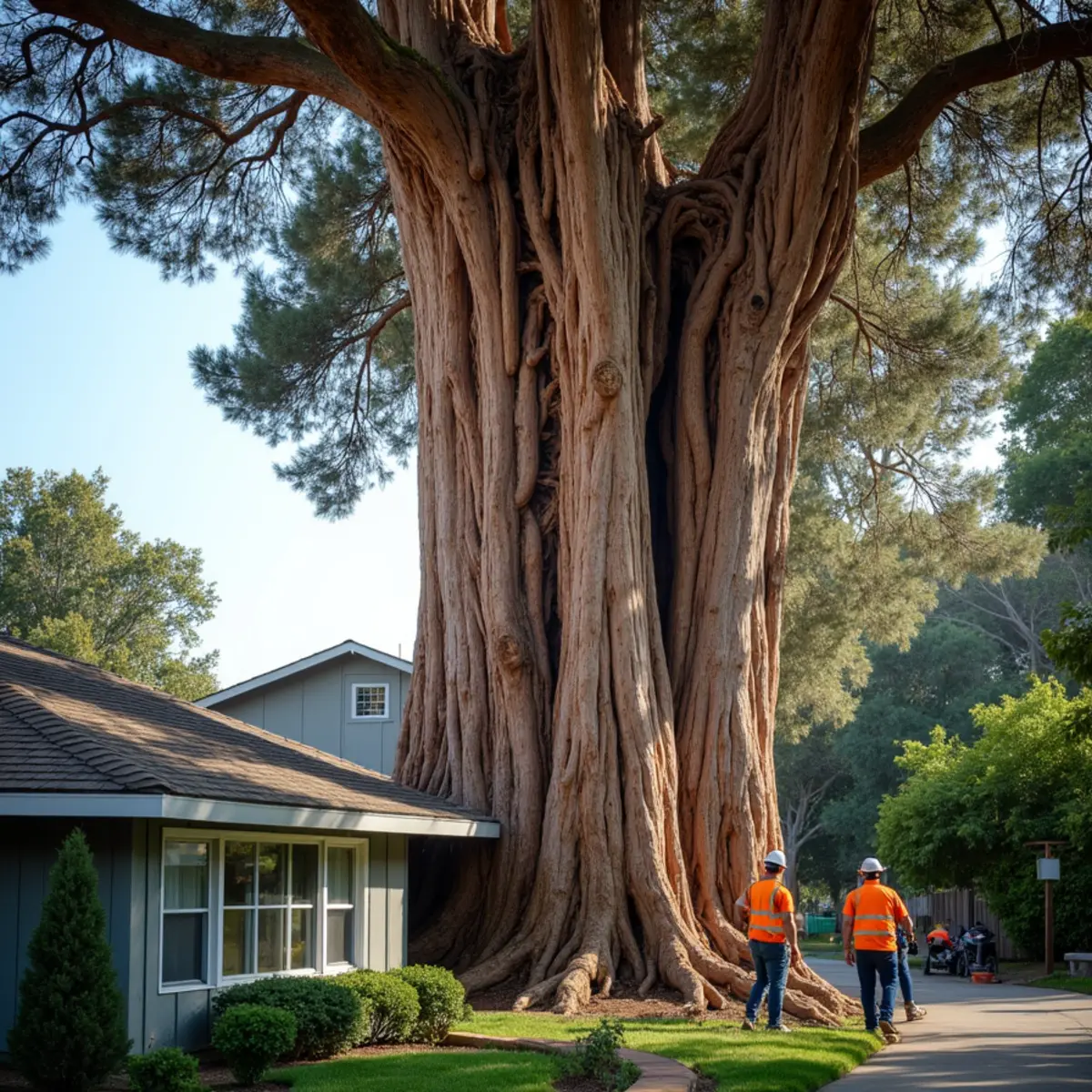
Blue gum eucalyptus (Eucalyptus globulus) was introduced to California from southeastern Australia during the Gold Rush in the 1850s, touted as a fast-growing timber source and railway tie miracle. While the timber proved too brittle and prone to twisting for commercial lumber, millions of saplings were planted as windbreaks and ornamental groves across the San Francisco Peninsula, from Hillsborough down through Redwood City, Belmont, and Woodside.
Today, these trees have matured into towering giants reaching 100 to 150+ feet in height. While their silver-blue foliage and aromatic scent are familiar features of the Bay Area landscape, their rapid growth, massive structural mass, volatile essential oils, and shallow root systems present severe, documented hazards to Peninsula residential properties.
Need Hands-On Arborist Help in Redwood City?
Call (213) 468-5153 to speak directly with our team. We provide rapid emergency dispatch and free written estimates across San Mateo County.
Risk 1: Extreme Wildfire Fuel & Airborne Ember Generation
Eucalyptus is classified by fire ecologists as one of the most volatile pyrogenic plant species on earth. In the wildland-urban interface (WUI) zones of San Mateo County, eucalyptus trees pose extraordinary wildfire risks:
• High Terpene & Essential Oil Content: Eucalyptus leaves and bark are saturated with highly flammable cineole (eucalyptol) and volatile resins. During a wildfire, canopies do not simply burn—they ignite explosively, creating crown fire runs with flame lengths exceeding 100 feet. • Peeling Ribbon Bark & Firebrands: Eucalyptus sheds long, fibrous strips of peeling bark that drape from high scaffold branches into the understory, creating vertical 'fuel ladders'. In high winds, these burning ribbons break loose as airborne firebrands, lofting over 1 to 2 miles ahead of the fire front to ignite residential roofs and attics. • Massive Litter Accumulation: A single mature eucalyptus drops hundreds of pounds of dense, oily leaf litter, seed capsules, and dead branches each year that decompose very slowly, creating deep combustible fuel mats on the forest floor.
Risk 2: Sudden Summer Branch Drop Syndrome
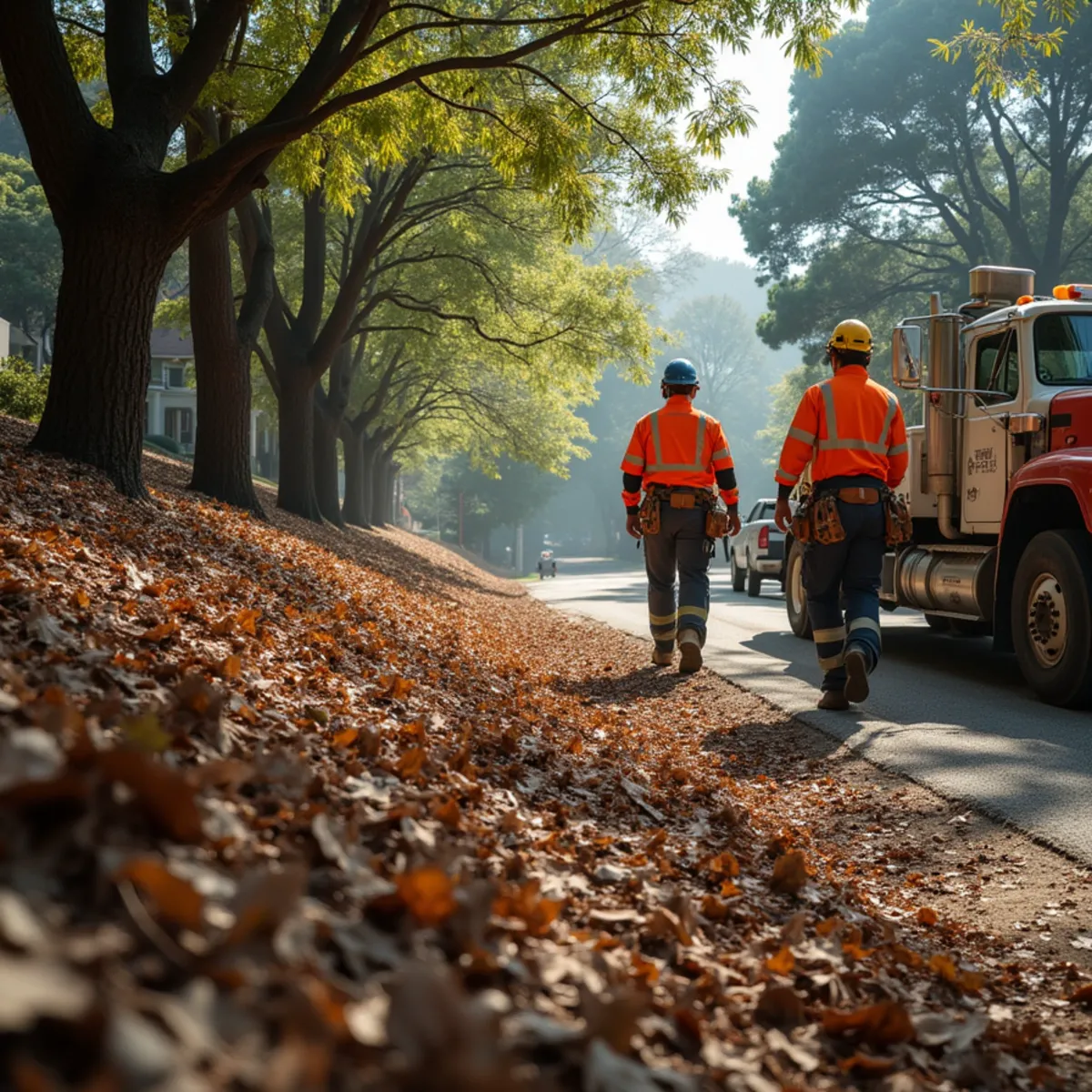
Unlike native California oaks that shed branches primarily under heavy winter storm loading, blue gum eucalyptus is notoriously prone to 'Sudden Branch Drop Syndrome' (also known as Summer Limb Drop).
During hot, calm summer afternoons in July, August, and September, massive, fully foliated horizontal scaffold limbs—often measuring 12 to 24 inches in diameter and weighing several thousand pounds—spontaneously snap and crash to the ground without any wind or storm warning. While the exact physiological mechanism is complex, research indicates internal xylem tissue moisture stress, high humidity shifts, and wood fiber cell collapse cause rapid catastrophic failure, making eucalyptus looming over patios, driveways, or bedrooms exceptionally dangerous.
Risk 3: Massive Green Timber Weight & Saturated Winter Soils
In winter months, blue gum eucalyptus becomes an equally severe windthrow threat. Eucalyptus wood is extremely dense and water-retentive, weighing over 60 to 70 pounds per cubic foot when green. A mature 120-foot specimen can easily carry 20 to 40 tons of green timber above ground.
Despite their colossal height, eucalyptus trees possess relatively shallow root plates, with the vast majority of anchoring root mass concentrated in the top 3 to 4 feet of soil. When winter atmospheric rivers saturate Peninsula clay hillsides in Belmont, San Carlos, and Emerald Lake Hills, the tremendous leverage exerted by high winds on top-heavy canopies causes entire root plates to lever out of the ground, flattening homes and vehicles.
Dismantling 100-Foot Eucalyptus: Mechanical Rigging Complexity
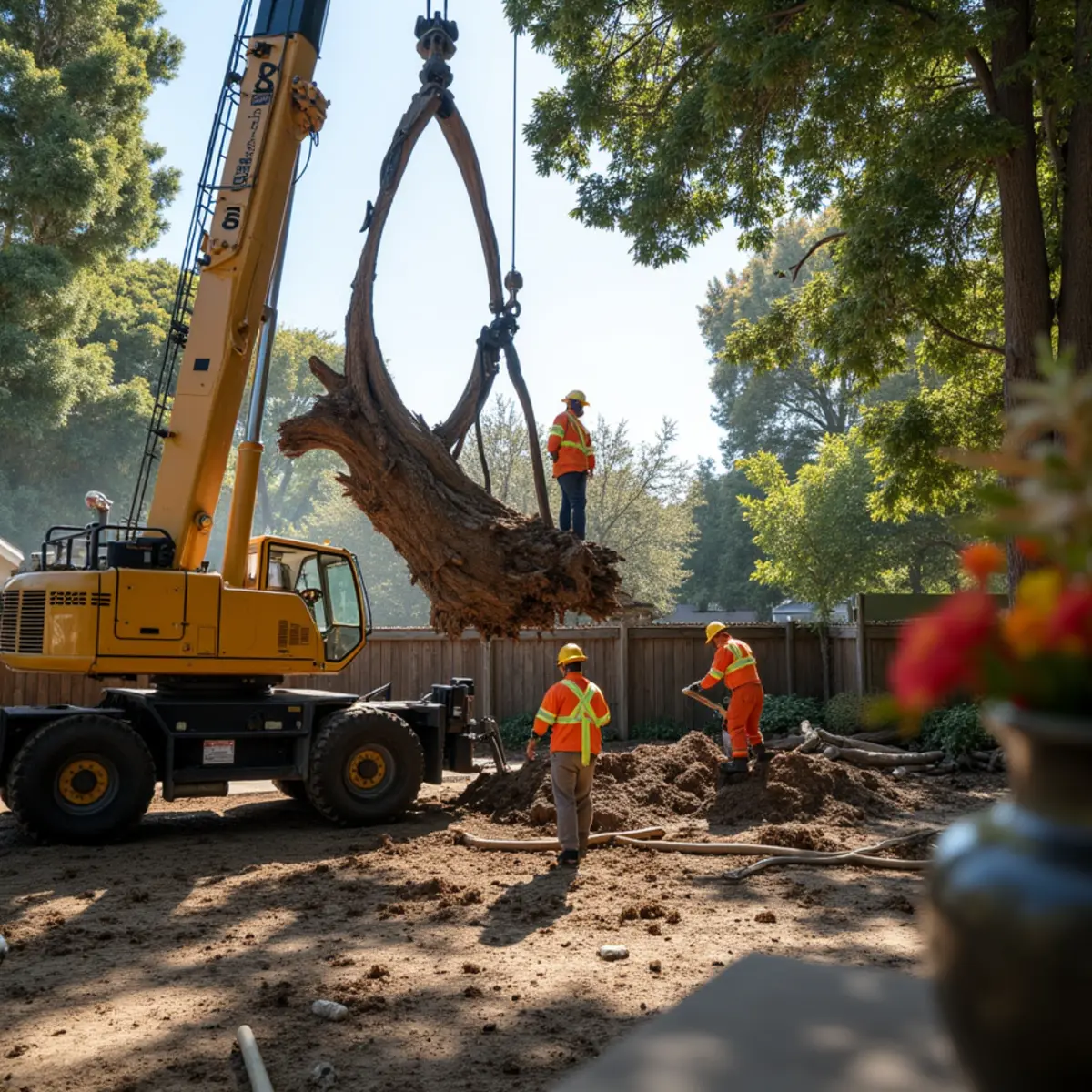
Removing a mature eucalyptus tree is one of the most hazardous and technically demanding operations in modern arboriculture. Due to the tree's immense height, proximity to residential structures, and unpredictable internal wood tension, removal requires elite crews and specialized heavy equipment:
Our crews frequently deploy 40-ton to 50-ton hydraulic mobile cranes to perform aerial picks. Climbers secure synthetic rigging chokers to massive upper canopy sections, make precision cuts, and the crane lifts the timber vertically over rooflines to the street staging area. Controlled piecing with friction rigging winches prevents heavy logs from crashing into lawns or fracturing underground utility lines.
Cyclical Pruning vs Full Removal & Stump Treatment
Property owners frequently weigh the ongoing costs of managing a eucalyptus against permanent removal:
• The Cyclical Pruning Burden: Because eucalyptus grows aggressively (often adding 4 to 8 feet of shoot elongation per season), maintaining structural safety requires professional crown reduction and deadwooding every 2 to 3 years, costing thousands of dollars per cycle over the life of your home. • Permanent Removal & Chemical Stump Inhibition: Complete removal provides permanent peace of mind, eliminates catastrophic fire hazards, and frees up space for climate-adapted native shade trees like coast live oak. However, eucalyptus stumps possess vigorous dormant root buds that will rapidly sprout into dense multi-stemmed thickets if untreated. Within 5 minutes of felling, our team applies targeted systemic herbicide (such as triclopyr) to the active cambium ring, followed by deep stump grinding, permanently arresting regrowth.
Related Services & Coverage Areas
Related Services
Nearby Service Areas
Frequently Asked Questions
Yes, if the eucalyptus trunk measures 12 inches or greater in diameter at breast height (DBH), it is classified as a protected tree under Chapter 29. However, due to recognized wildfire hazards and brittle branch architecture, removal permits for eucalyptus are generally approved readily with an ISA Arborist Report.
Schedule Your Tree Assessment Today
Call (213) 468-5153 for prompt arborist inspections, permit assistance, and transparent estimates in Redwood City and the Peninsula.