Sudden Oak Death in San Mateo County: Symptoms, Testing and Treatment
Identify sudden oak death symptoms in San Mateo County. Bleeding cankers, foliar dieback, phosphite treatments and quarantine rules. Call (213) 468-5153.
What Is Sudden Oak Death (Phytophthora ramorum)?
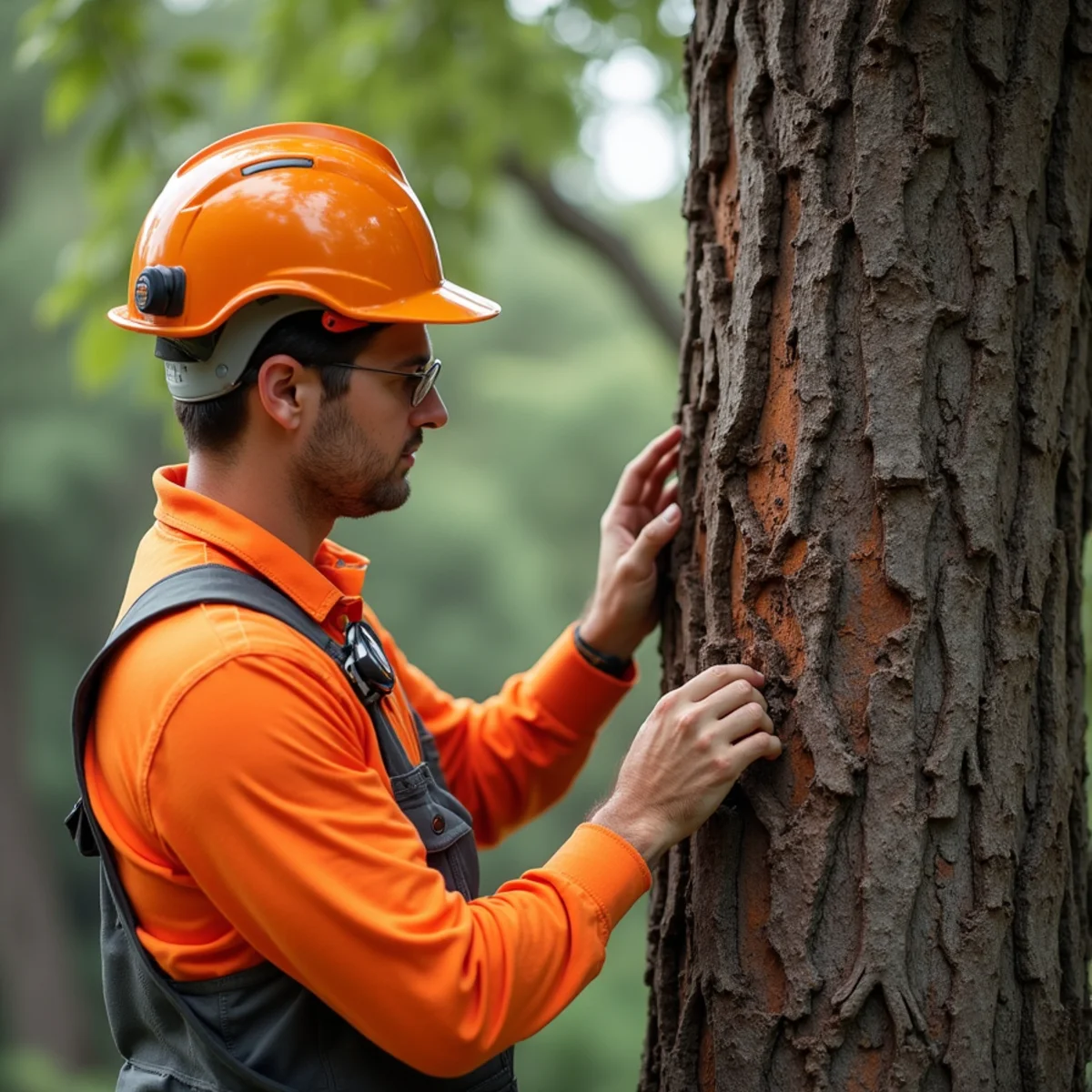
Sudden Oak Death (SOD) is a devastating plant disease caused by the virulent water mold pathogen Phytophthora ramorum. While colloquially called a fungus, Phytophthora is biologically an oomycete—an organism closely related to brown algae that thrives in cool, moist coastal climates. Since its initial identification in Marin County in 1995, Sudden Oak Death has killed millions of native oak and tanoak trees across coastal Northern California, creating severe canopy loss and heightened wildfire hazards throughout San Mateo County.
On the San Francisco Peninsula, the pathogen primarily impacts Coast Live Oak (Quercus agrifolia), California Black Oak (Quercus kelloggii), Shreve Oak (Quercus parvula var. shrevei), and Canyon Live Oak (Quercus chrysolepis). True white oaks—such as our majestic native Valley Oak (Quercus lobata) and Blue Oak (Quercus douglasii)—are naturally immune or highly resistant to the pathogen.
Need Hands-On Arborist Help in Redwood City?
Call (213) 468-5153 to speak directly with our team. We provide rapid emergency dispatch and free written estimates across San Mateo County.
Recognizing Early Warning Symptoms on Peninsula Oaks
Property owners in Woodside, Portola Valley, Emerald Lake Hills, and western Redwood City should monitor native oaks for characteristic external symptoms:
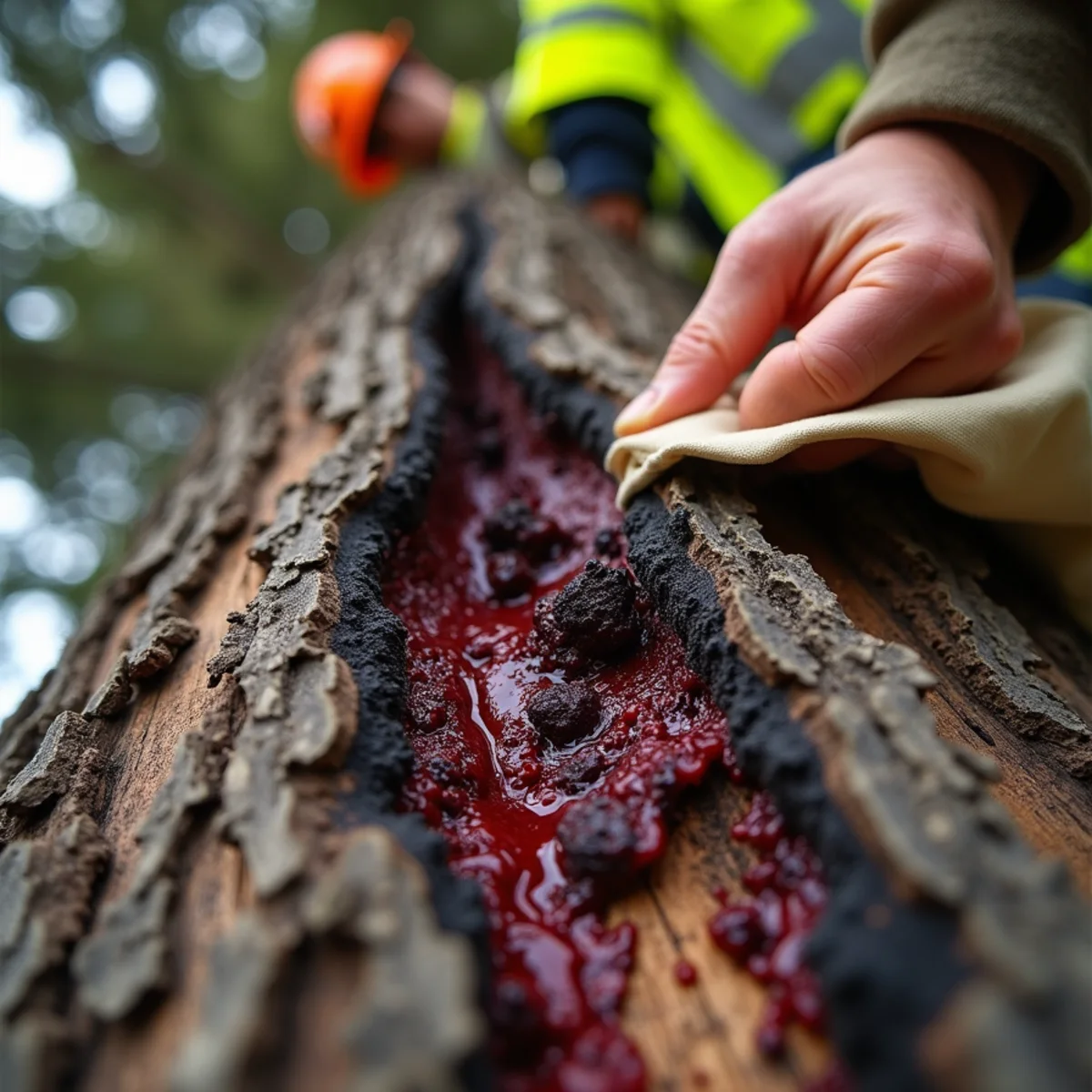
• Bleeding Trunk Cankers: The hallmark symptom is the appearance of dark reddish-brown, burgundy, or black sap weeping from the lower trunk bark, typically between ground level and 6 to 10 feet up the main stem. These weeping cankers occur on uninjured bark without mechanical cuts or bore holes, staining the bark surface. • Inner Bark Discoloration: Beneath the weeping outer bark, active cankers create distinct reddish-brown necrotic zones in the phloem and cambium layer, bordered by irregular black zone lines that girdle the tree's vascular system. • Secondary Pests & Fruiting Bodies: Weakened oaks are quickly colonized by secondary opportunistic invaders, including Western oak bark beetles (Pseudopityophthorus spp.) that bore tiny pinholes surrounded by reddish frass, and carbon cushion fungi (Annulohypoxylon thouarsianum) that produce black, domed fruiting bodies on the trunk. • Rapid Crown Browning: Once the vascular ring is fully girdled, the entire foliage canopy turns from vibrant olive-green to dull yellowish-brown within a matter of weeks, giving the disease its 'sudden' reputation.
The California Bay Laurel Vector Connection
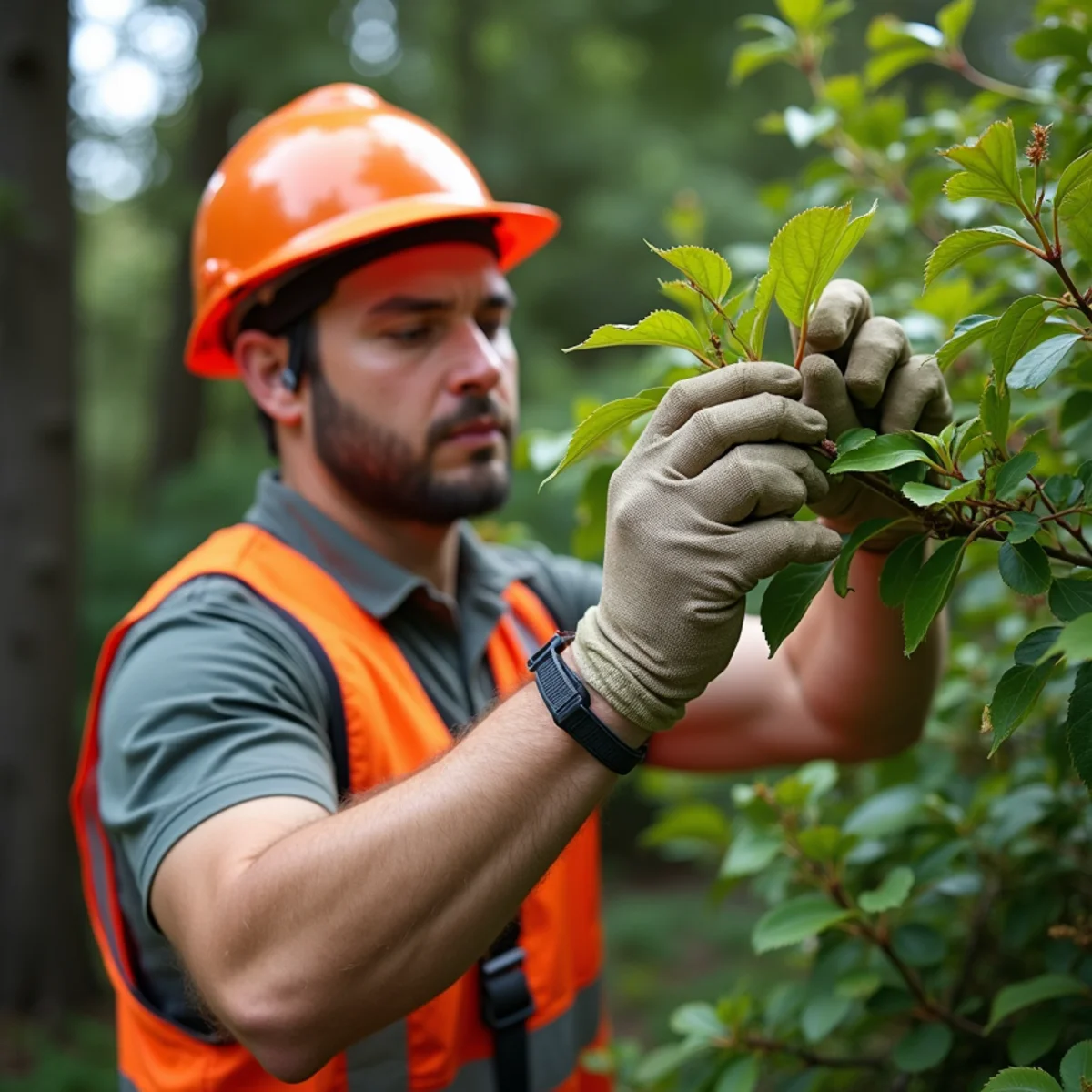
A critical epidemiological factor in the spread of Sudden Oak Death is the California Bay Laurel (Umbellularia californica). While oaks are terminal 'dead-end' hosts where the pathogen causes lethal trunk cankers without releasing airborne spores, bay laurels act as the primary vector and spore incubator.
During cool, wet spring rains (temperatures between 60°F and 70°F), Phytophthora ramorum infects bay laurel leaves, producing dark brown leaf-tip lesions without killing the tree. The pathogen produces millions of microscopic swimming zoospores on the bay foliage that wash onto adjacent oak trunks in windblown rainwater. Arborists recommend maintaining a buffer zone by pruning or removing bay laurel branches within 15 to 25 feet of high-value mature oak canopies.
Diagnostic Field Testing & The UC Berkeley SOD Blitz
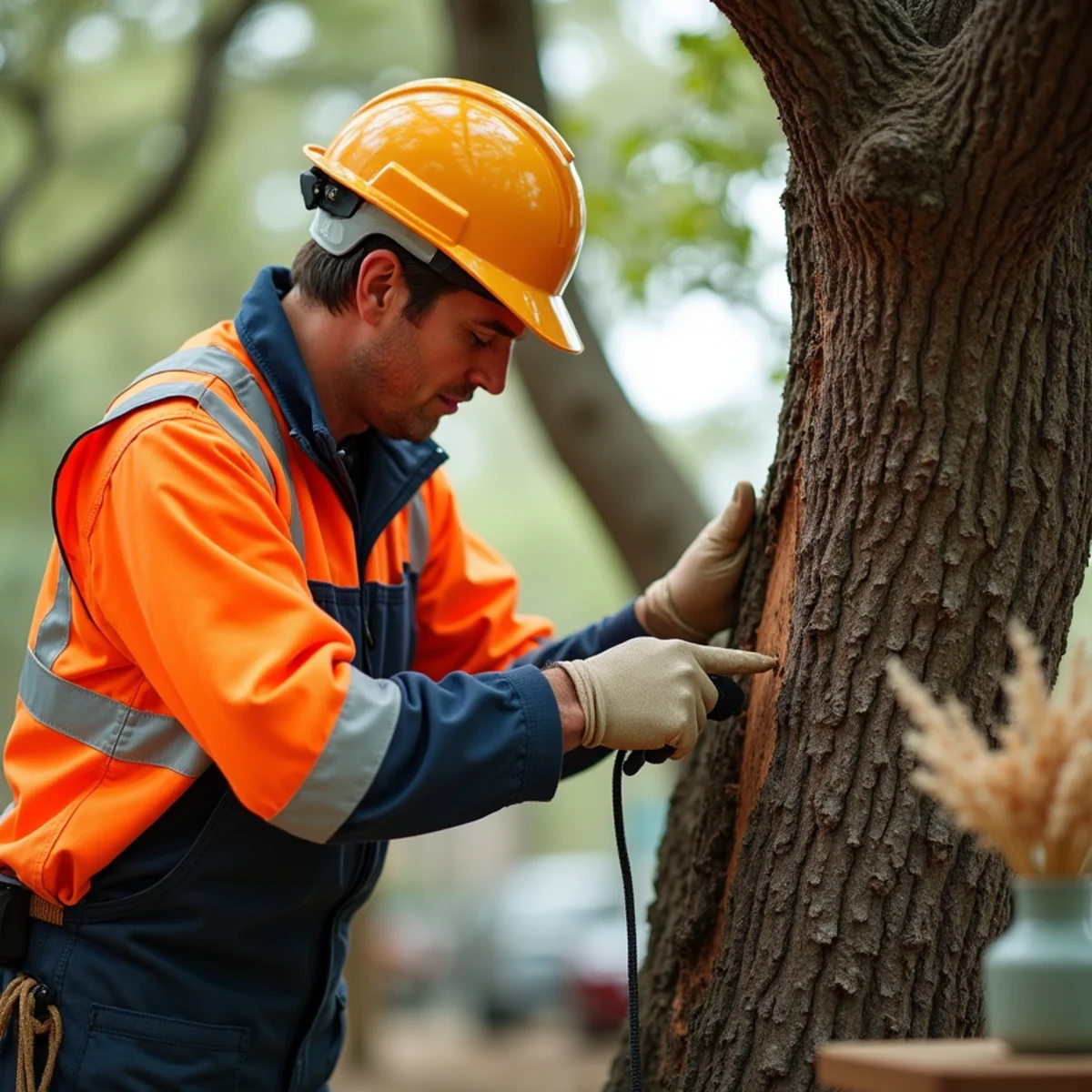
Accurate field diagnosis is vital, as harmless bacterial wetwood or physical injuries can also cause dark sap weeping. Our ISA Certified Arborists perform comprehensive diagnostic evaluations:
We conduct cambium margin inspections, collect symptomatic foliar and bark tissue samples, and utilize rapid immunostrip field tests or submit samples to UC Berkeley Forest Pathology laboratories for definitive DNA PCR analysis. We actively track regional pathogen spread utilizing annual UC Berkeley SOD Blitz survey maps, identifying high-risk infection microclimates across Kings Mountain, Skyline Boulevard, and Woodside.
Preventative Phosphonate Treatments & Tree Care
There is currently no cure once an oak has suffered advanced vascular girdling and widespread crown browning. However, for healthy or mildly exposed oaks, preventative chemical treatment is highly effective:
• Systemic Phosphonate Bark Applications: We apply Agri-Fos (systemic mono- and di-potassium phosphonate) combined with Pentra-Bark organosilicate penetrating surfactant to the lower trunk bark. Phosphonate does not directly poison the pathogen; instead, it triggers the oak's natural Systemic Acquired Resistance (SAR), thickening cell walls and stimulating antimicrobial phytoalexin production. • Trunk Micro-Injections: For trees near waterways or steep slopes where spray drift is restricted, we utilize direct Mauget or Arborjet micro-infusions directly into active xylem tissue. • Timing & Frequency: Treatments are most effective when applied in late autumn (after the first light rains but before heavy winter saturations) or early spring, repeated annually or biennially.
San Mateo County Quarantine Rules & Debris Disposal
Under California Department of Food and Agriculture (CDFA) regulations, San Mateo County is an established Sudden Oak Death quarantine zone. Moving unchipped oak timber, firewood, bay foliage, or soil outside the county is legally prohibited to prevent infesting pristine Sierra Nevada foothill forests.
When removing infected oak trees, our crews adhere to strict biosecurity protocols. We sterilize chainsaw bars and climbing gear with 70% isopropyl alcohol between properties. Infected timber is chipped on-site and composted in hot sunny open areas, or processed through designated commercial biomass facilities.
Related Services & Coverage Areas
Related Services
Nearby Service Areas
Frequently Asked Questions
No. Once the entire crown turns brown, the vascular cambium is 100% girdled and the tree is functionally dead. At this stage, secondary wood-boring beetles rapidly weaken structural timber, making prompt removal essential before storm season.
Schedule Your Tree Assessment Today
Call (213) 468-5153 for prompt arborist inspections, permit assistance, and transparent estimates in Redwood City and the Peninsula.