
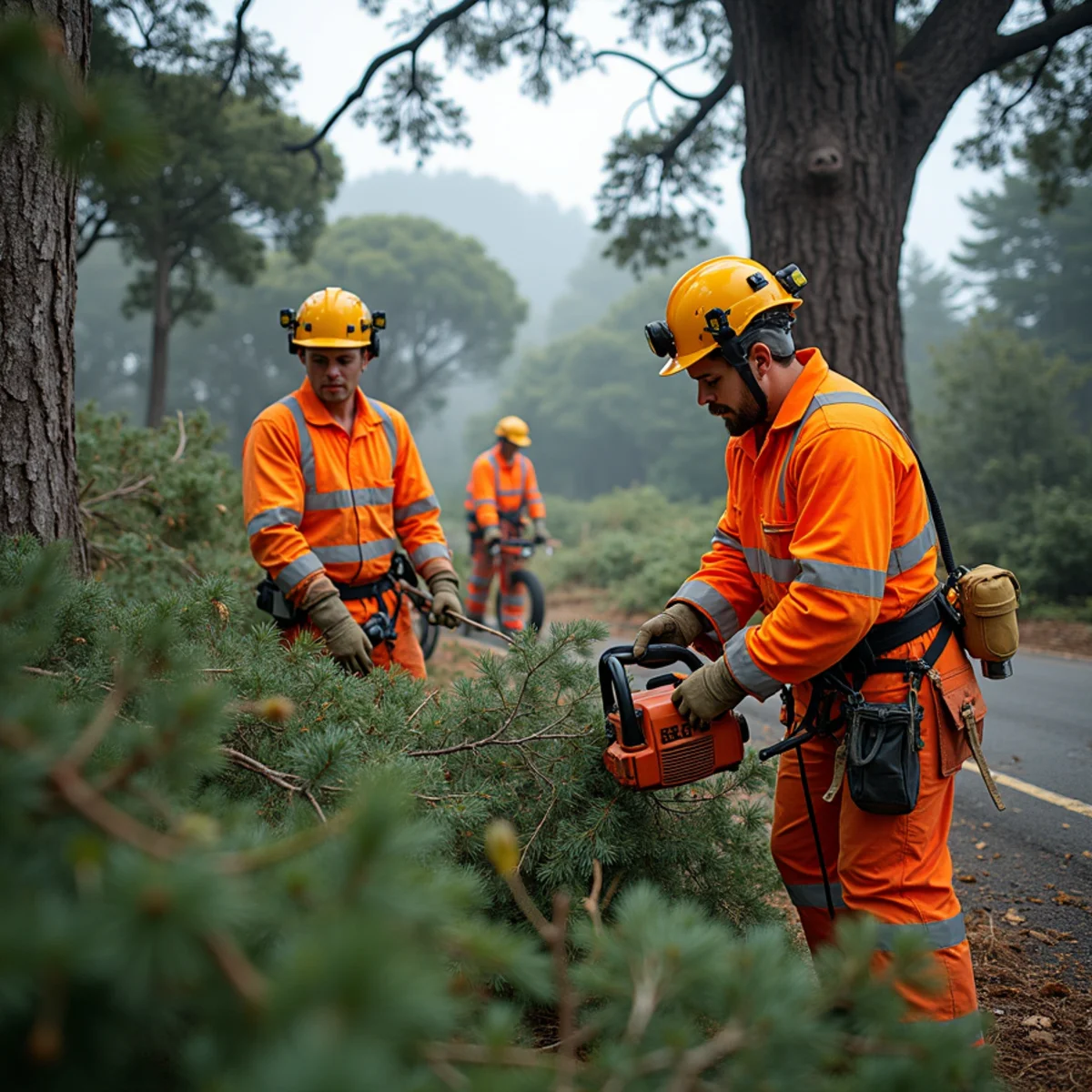
Identifying the Symptoms: When Is Storm Damage Tree Cleanup Necessary in Redwood City?
Common Signs & Warning Indicators
- Heavy fractured boughs dangling under spring tension in the upper canopy over lawns or driveways
- Uprooted mature trees leaning against boundary fences, neighbor garages, or adjacent living trees
- Massive piles of wind-blown pine branches, eucalyptus bark strips, and heavy timber blocking access
- Torn bark, splintered branches, and exposed cambium heartwood on surviving specimen trees
- Blocked street gutters, driveway drainage channels, and yard culverts creating flash flooding hazards
- Roof valleys, patio awnings, and skylights covered in heavy storm debris and puncture-prone branches
Local Peninsula Environmental Triggers
Repeated atmospheric river storm fronts deliver torrential rainfall totals that saturate and liquefy dense Peninsula clay soils, destroying root friction around mature root plates. Gale-force wind gusts exceeding 50 to 60 mph funneled through coastal gaps place intense lateral shear on rain-soaked, full-foliage canopies of Monterey pines, blue gum eucalyptus, and non-dormant hardwoods, causing massive branch failure and whole-tree root plate heave.
Under California law and local municipal ordinances, property owners bear legal responsibility for hazardous trees that threaten adjacent roadways, sidewalks, power lines, or neighboring structures. Early intervention by an ISA Certified Arborist prevents emergency failures during severe coastal weather.
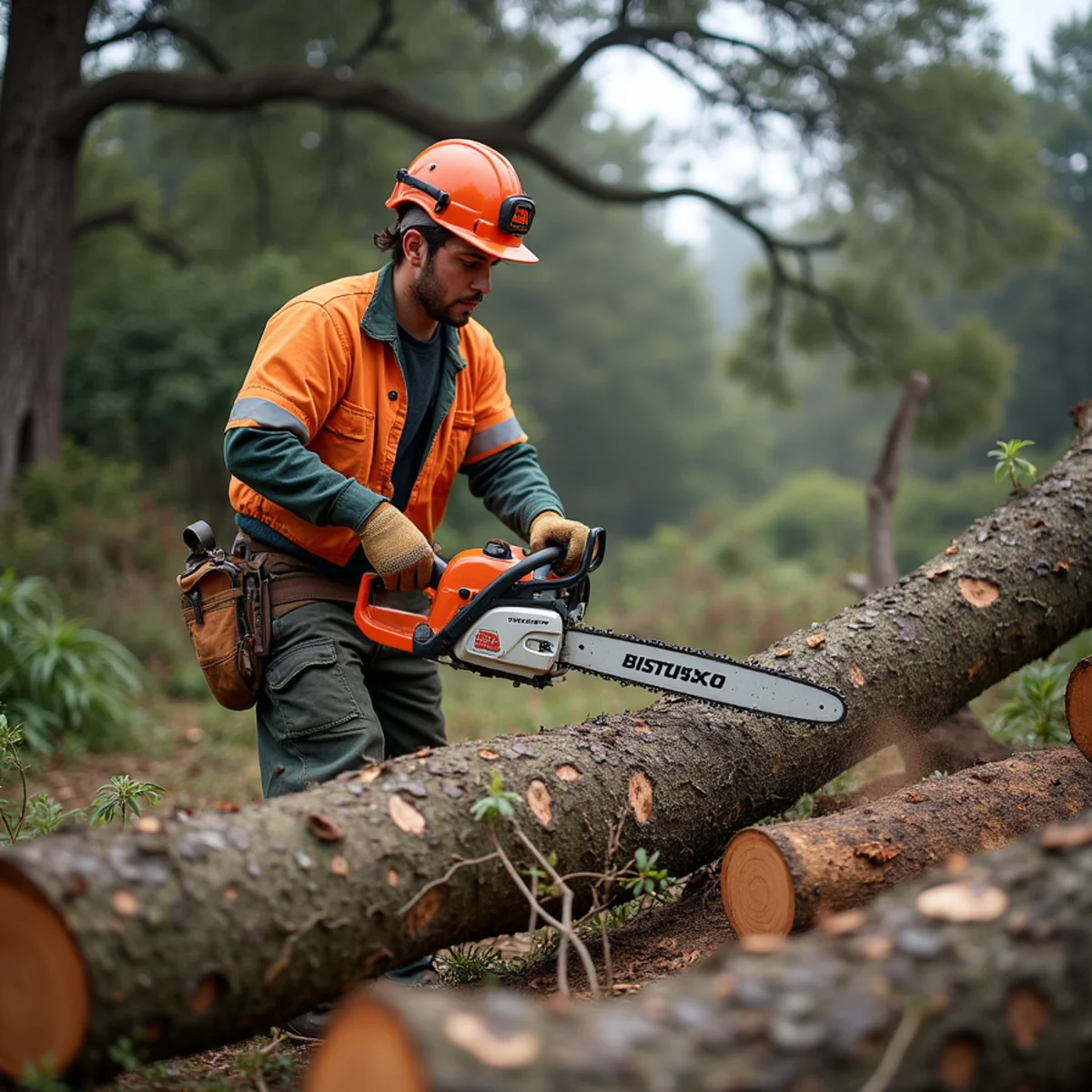
What to Do First: The First-30-Minutes Tree Emergency Checklist
When a storm strikes or a tree fails, prioritize human safety before initiating cleanup. Follow these essential field steps:
Action Checklist Before Cleanup
- 1Inspect grounds from a safe distance: Look upward into tree canopies for suspended broken branches (widow-makers) before walking through yards.
- 2Identify overhead electrical conflicts: If any fallen boughs are near power lines, keep family and pets 30 feet away and notify PG&E immediately.
- 3Avoid walking beneath storm-damaged trees during gusty weather—partially cracked branches frequently drop hours after the main storm passes.
- 4Take clear ground photos of storm-thrown trees, damaged fencing, and debris piles for your homeowner's insurance carrier.
- 5Call our storm response team at (213) 468-5153 for priority dispatch, overhead hazard clearing, and commercial brush chipping.
What to Tell Our Dispatcher
Having these property details ready helps us deploy the appropriate crane, rigging blocks, or line-clearance equipment immediately:
- Property address and location of storm debris (front yard, roof, driveway, backyard)
- Are any branches actively hanging overhead or threatening structures?
- Are power lines, utility meters, or fences involved in the tree impact?
- Estimated size and volume of fallen timber (e.g., single large branch vs. multi-tree collapse)
- Driveway width and clearance for commercial 18-inch wood chippers and haul trucks
Request an On-Site Assessment for Storm Damage Tree Cleanup
Speak with our local Redwood City dispatch team at (213) 468-5153 to discuss your tree situation and schedule an arborist evaluation.
Our Methodological Standards for Storm Damage Tree Cleanup
Our certified arborists conduct systematic ground and aerial walk-throughs immediately following a storm. We inspect for secondary hazards, including detached hanging branches (widow-makers) lodged in upper boughs, test root plate stability for hidden rotational shear, evaluate whether cracked stems can be preserved through corrective pruning, and identify safe access lanes for commercial chippers and haul trucks over wet lawns.
High-Angle Widow-Maker Extraction
Utilizing specialized throwing lines, climbing ropes, and friction rigging to safely dislodge and lower hanging fractured boughs caught high in tree canopies without structural impact.
High-Volume Commercial Brush Chipping
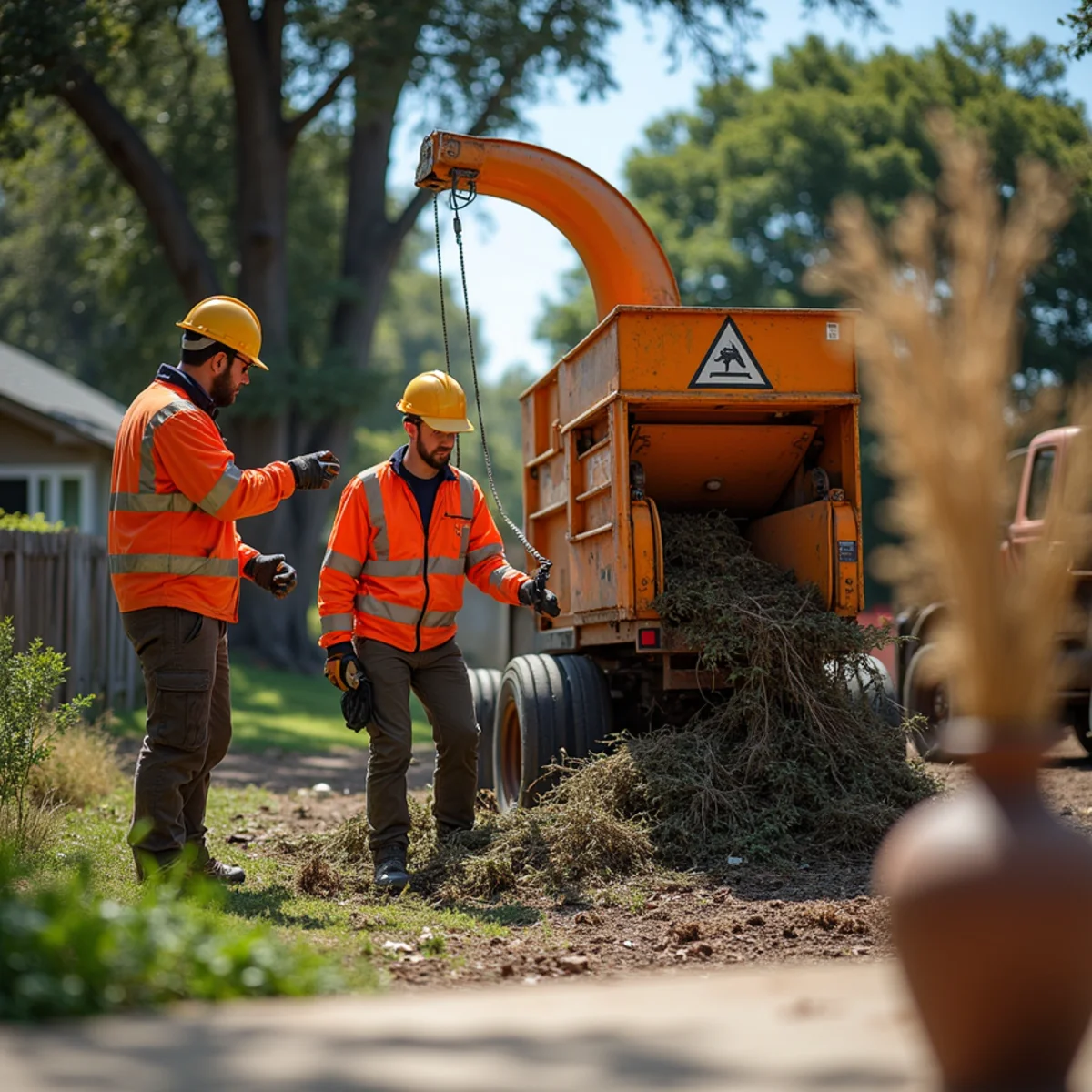
Processing massive brush piles, wet foliage, and branches up to 18 inches in diameter through commercial chippers, recycling debris into nutrient-dense landscaping mulch.
Storm Wound Sanitation & Corrective Pruning
Carefully trimming jagged, storm-torn branch stubs back to sound branch collars using sterilized arborist saws, allowing clean wound compartmentalization and preventing decay fungi.
Roof Valley & Gutter Debris Extraction
Carefully lifting fallen limbs and heavy pine boughs off delicate roof tiles, sweeping debris valleys, and clearing gutter downspouts to restore proper drainage.
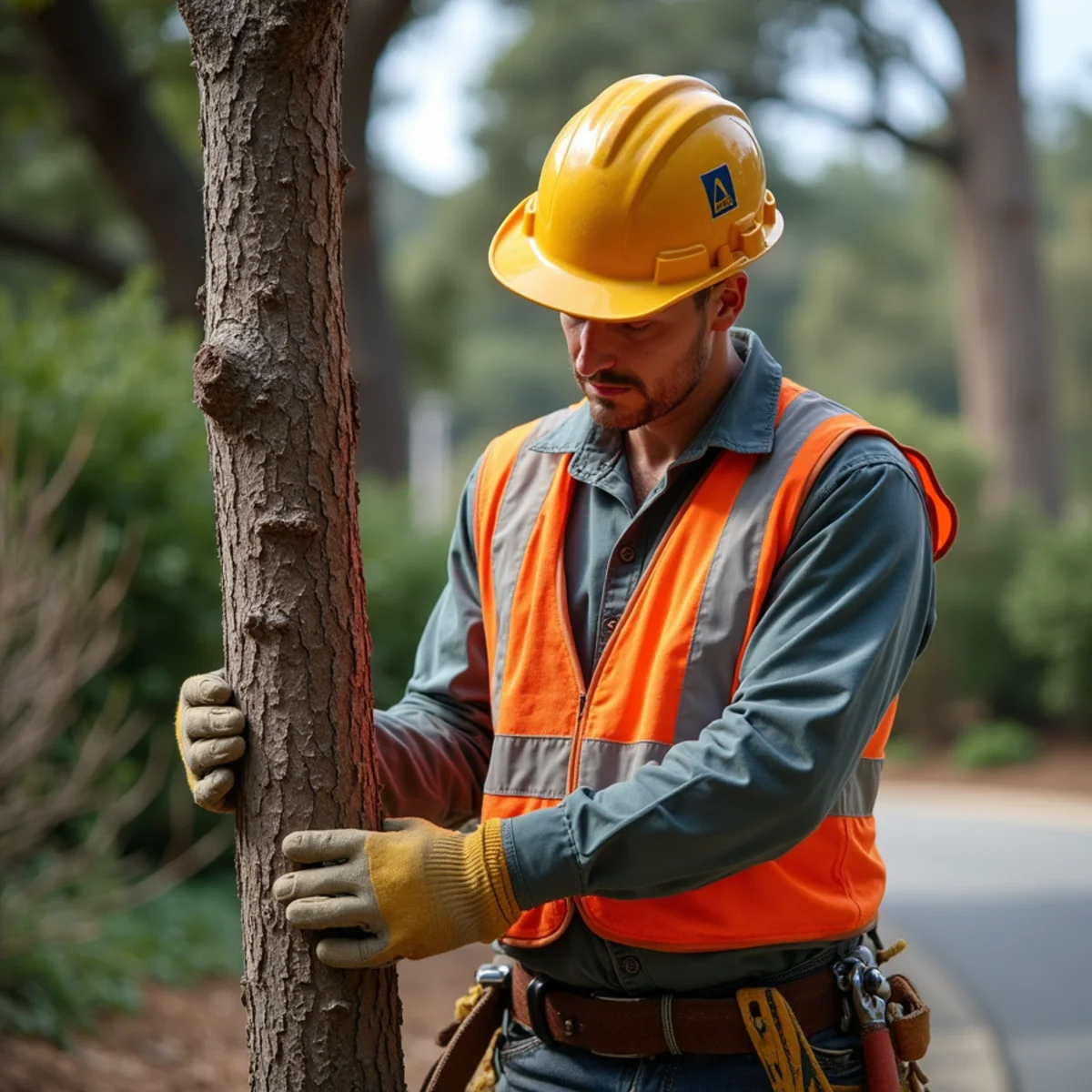
Step-by-Step Execution: From Inspection to Final Cleanup
Immediate Overhead Hazard Sweep
Our crew surveys the canopy above all work zones, identifying and securing dangerous widow-makers before ground personnel begin cleanup.
Tension-Relief Ground Bucking
Chainsaw operators analyze compression and tension in fallen timber, systematically sectioning logs to prevent hazardous spring-backs.
High-Volume Brush Chipping & Mulch Processing
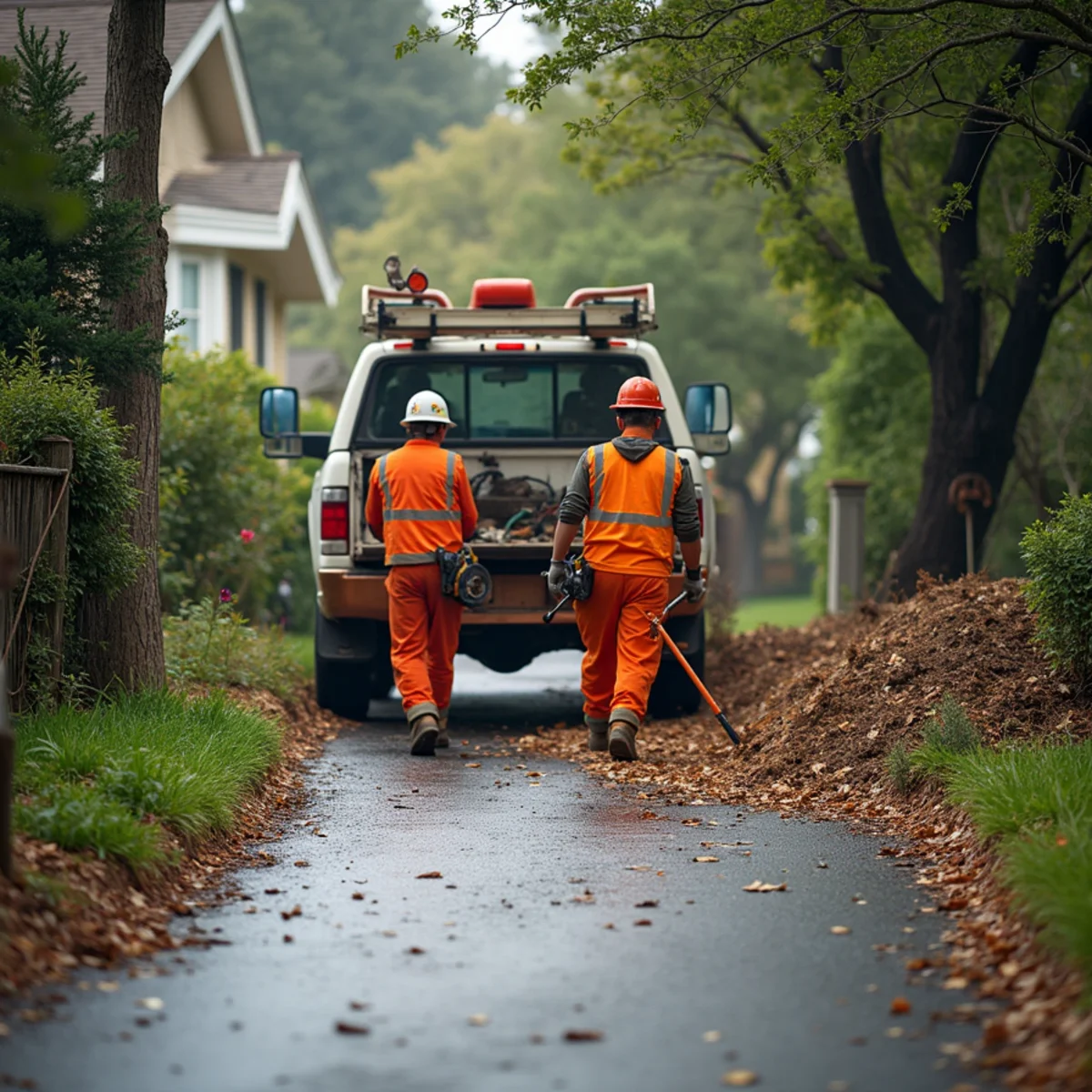
Branches, boughs, and foliage are fed through our heavy commercial chipper and loaded directly into enclosed chip trucks.
Heavy Log Hauling & Crane Pickups
Large trunk rounds and multi-ton logs are hoisted onto flatbed transport trailers using hydraulic log loaders for recycling.
Canopy Wound Pruning & Structural Assessment
Our certified arborist inspects surviving trees, performing clean collar cuts on splintered stems and evaluating ongoing stability.
Complete Lawn, Roof & Driveway Rake-Down
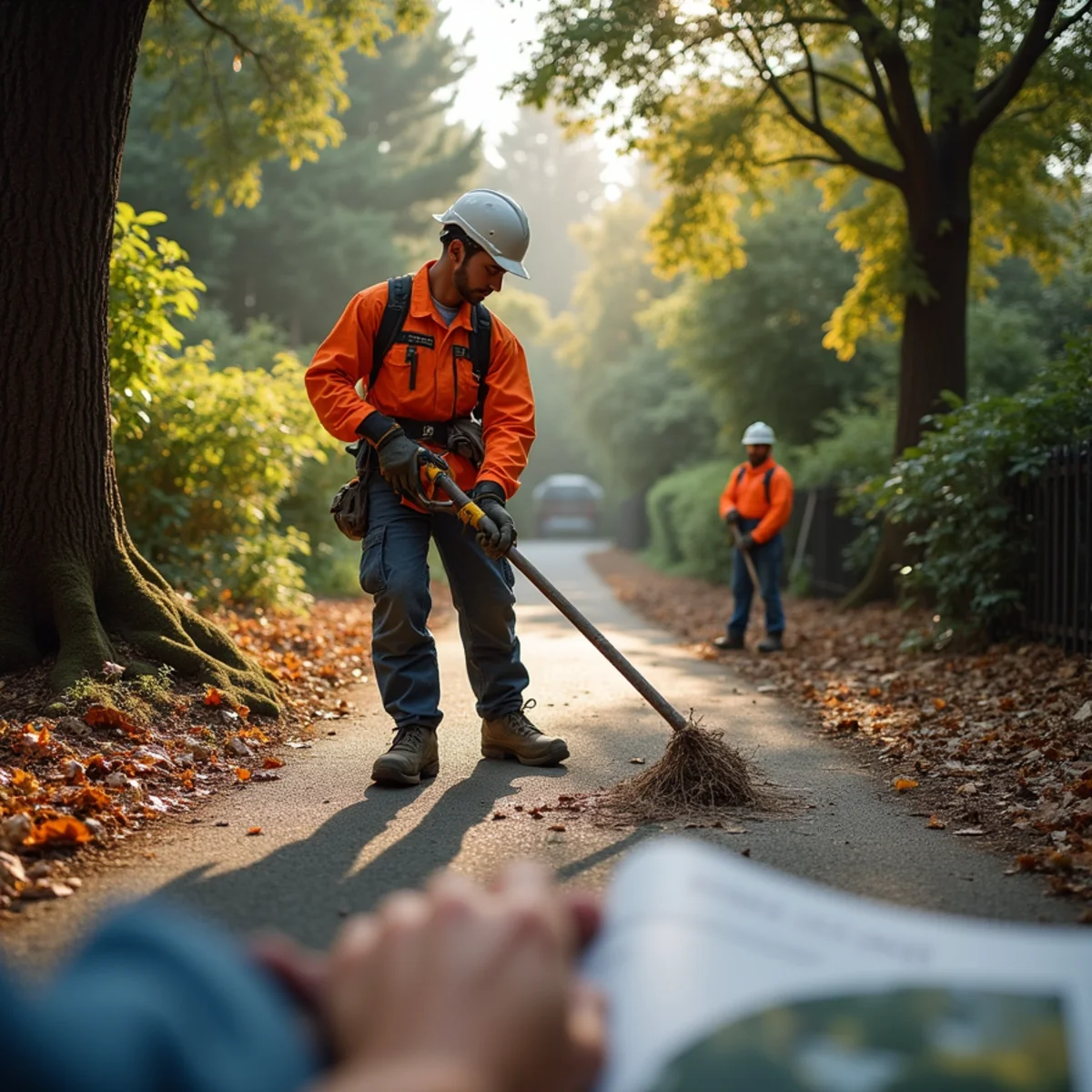
Crews rake lawns, sweep walkways, and power-blow driveways and patios, leaving the property fully restored and pristine.
How Much Does Tree Service Cost in Redwood City?
In accordance with California consumer protection standards, we do not quote arbitrary flat rates. Every estimate is custom-engineered based on the physical realities of your property:
Standard residential cleanup for scattered storm branches, downed limbs, and complete chipping and hauling with grounds raked clean.
Aerial climbing or bucket truck access to rope and lower dangerous hanging branches caught high in mature oaks, pines, or redwoods.
Complete chainsaw bucking, limb chipping, root plate stabilizing, and heavy log loading for whole trees felled by storm winds.
Dedicated 3-person arborist crew with high-capacity chipper and haul trailer for estate properties with extensive storm damage.
Local Species & Redwood City Neighborhood Risk Profiles
Every Redwood City neighborhood presents distinct geological, architectural, and access dynamics that dictate equipment staging and rigging methods:
Steep Hillside Wind Tunneling & Saturated Soil Failures
Storm fronts accelerate through canyon draws, snapping pine limbs and washing debris across steep driveways. High-angle rigging and winch-assisted bucking keep timber from sliding downhill.
High Coastal Gales & Marine Silt Saturation
Sustained westerly winds off San Francisco Bay uproot shallow-rooted eucalyptus and pines in saturated silt. Fast-response chippers clear blocked roads and restore zero-lot-line yards.
Terraced Backyard Debris & Retaining Wall Protection
Hillside residential lots require careful timber rigging to prevent rolling logs from breaching retaining walls or crushing terraced landscaping features.
Aging Street Trees & Residential Power Service Drops
Older residential subdivisions suffer high volumes of fallen oak and elm branches over driveways and rooflines, requiring coordinated utility clearance and swift hauling.
Key Tree Species Considerations in Redwood City
Blue Gum Eucalyptus (Eucalyptus globulus)
Brittle branch attachments and high wind resistance lead to catastrophic failure of massive secondary boughs during winter gales. Debris piles require heavy commercial chippers.
Monterey Pine (Pinus radiata)
Dense needles catch rain, drastically increasing weight while winds leverage brittle wood. Monterey pines frequently snap mid-trunk or uproot entirely during atmospheric rivers.
Coast Live Oak (Quercus agrifolia)
Broad, heavy evergreen canopies collect hundreds of pounds of water weight. Longitudinal splits in codominant unions require immediate assessment to determine if remaining stems are salvageable.
Black Acacia (Acacia melanoxylon)
Shallow, aggressive root systems heave in saturated clay soils, causing sudden whole-tree uprooting across fences and parked vehicles during high winds.
Municipal Permit Compliance & Contractor Credentials
Post-storm cleanup operations in Redwood City and San Mateo County are prioritized to restore public safety and access. Tree removals conducted due to immediate storm failure are exempt from standard advance permit delays under municipal emergency provisions, provided that photographic evidence and certified arborist documentation are maintained for municipal filing.
Questions to Verify Before Hiring Any California Tree Service Contractor:
- Verify Active California CSLB C-61/D49 Tree Service Contractor License (#1084291)
- Confirm $2,000,000 Commercial General Liability Insurance and Active Workers' Compensation
- Ensure High-Capacity Commercial 18-Inch Brush Chippers for Fast On-Site Processing
- Verify Use of Heavy Protective Turf Mats to Prevent Lawn Ruts from Equipment on Saturated Soils
- Require Itemized Insurance Documentation and Photographic Proof for Storm Claims
Frequently Asked Questions About Storm Damage Tree Cleanup
Blue gum eucalyptus, Monterey pines, and shallow-rooted acacias fail most frequently during winter atmospheric rivers. Their dense evergreen foliage catches heavy rain, dramatically increasing weight while high winds leverage saturated clay soils, snapping brittle limbs or uprooting entire root plates.
Related Tree Services, Local Guides & Service Areas
Helpful Tree Care Articles
Primary Service Locations
Get a Free Estimate for Storm Damage Tree Cleanup
Call (213) 468-5153 to speak directly with our arborist team. We answer calls around the clock and provide fast on-site evaluations across Redwood City and San Mateo County.